
Out of the ashes of industry
By Jo Howell 06/09/23
Context is key
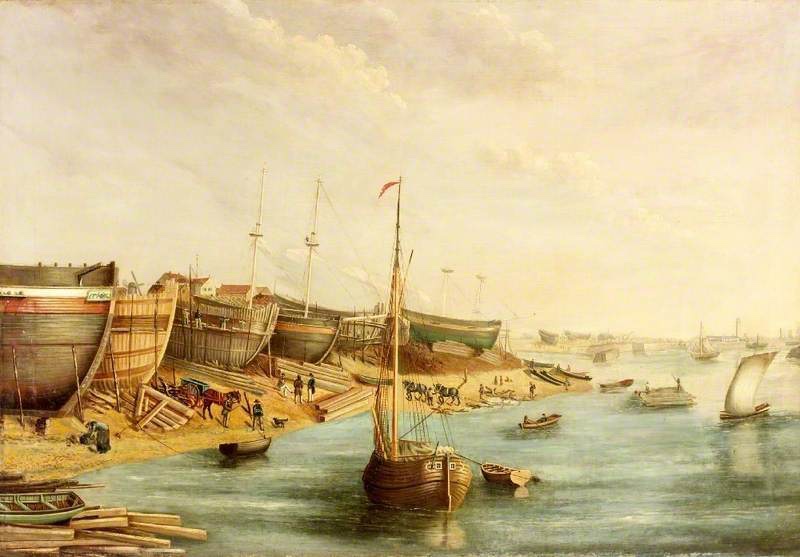
c.1830, oil on canvas
Photo courtesy of Tyne and Wear Museum Archives
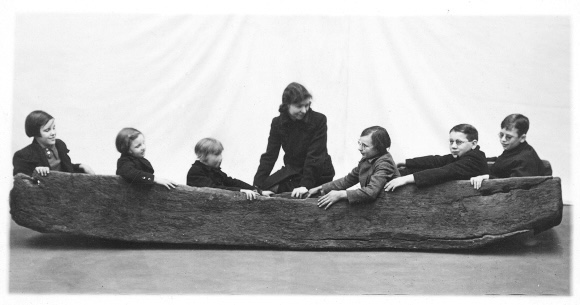
In 1988 the last shipyard closed on the River Wear. We had been ship builders since as far back as 1346, when Thomas Menvil created a shipyard at Hendon docks. Some would argue that we were boat building for far longer than that. Proved adequately by a well-preserved Neolithic canoe being pulled out of the anaerobic sediments of the river Wear, near Hylton. This canoe was hewn out of a single log and is now housed at Sunderland museum.
The river and the proximity to the sea is the common thread that runs through all of us Mackems way back into pre-history.
Ship building on the Wear was inextricably linked to the boom of coal mining. Back in the 1700’s, large shipments of coal were needed regularly and speedily by the South. The Wear and the Tyne were geared up to take the coal from the North to the need. This was via the olden days super highway – the sea.
And the production of glass was tied in with these two industries in turn. Coal was needed everywhere and they needed ships to ship it. Empty ships came back ballasted with good quality sand. A by-product of sending the coal south.
We used sand mixed with soda and lime to create batch glass. Then we heated it together using the coal.
A holistic system. Not separate from normal life, but integral to it.
These industries were historically our region’s trifecta of success and power. We created a whole host of new rich people to give the aristocracy a great run for their money.
All of these industrial professions required practiced skills and knowledge. With the skills and the knowledge we can understand ourselves better and be proud of everything we achieved.
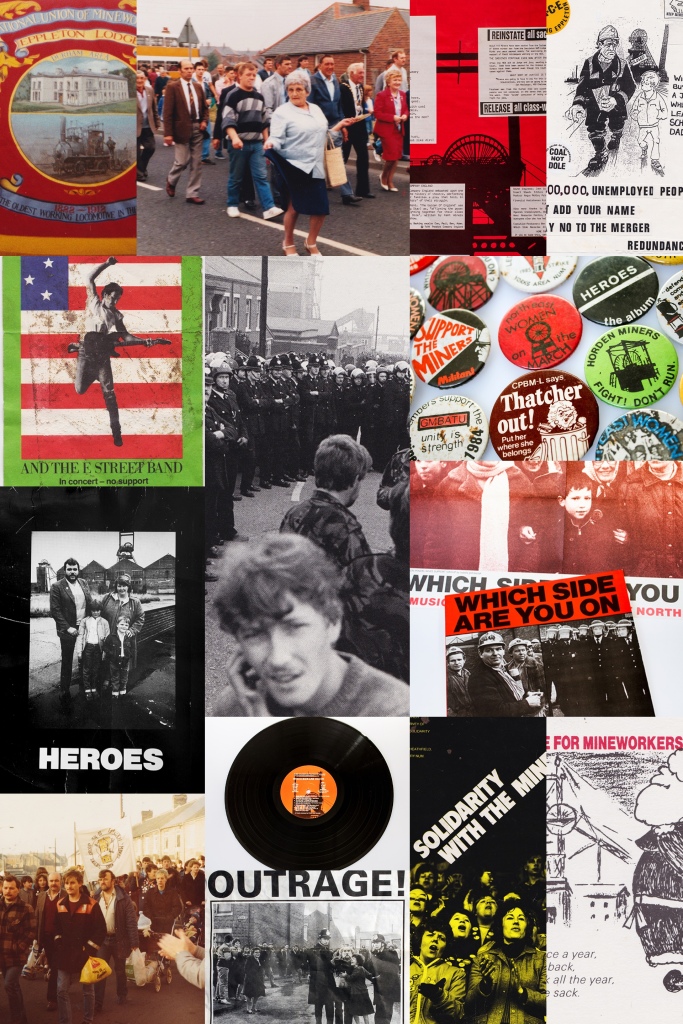
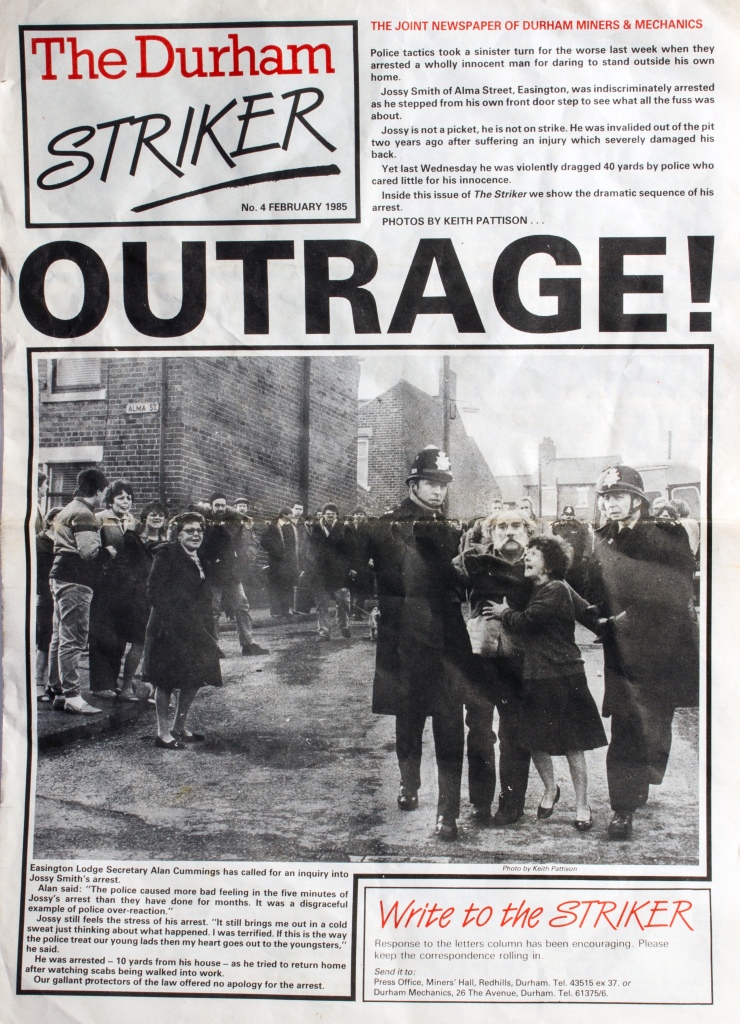
Furthermore, in 1984 and 1985 there was the miners strike. Massive protests against Maggie Thatchers pit closures. People were left to starve and many on picket lines were attacked by mounted police. The miners received support from across the world including a huge charity concert by Bruce Springsteen held in Newcastle!
Poverty and destitution was inevitable as all of our major industries were wound down until they were gone. This took place from 1984 to 1993 when Monkwearmouth pit finally closed and mining was completely ended in the area.
These social upheavals had wide ranging and long term knock-on effects. Next came the high youth unemployment. With high unemployment comes the other social problems of drug use, homelessness, addictions and a low quality of life.
Jobless and poor with no prospects. These times of Dickensian poverty as we marched into the new millennium have left scars upon the people that will take generations to heal.
Check out Tish Murtha’s photography to see what I mean.
The dirt is visceral. But they’re all just kids trying to enjoy life by playing in abandoned buildings and back lanes. They had nothing, and their parents had nothing because over the course of the worst decades the North East had ever seen – every industry that gave us pride, community, and wealth, were all closed with no alternatives offered in place.
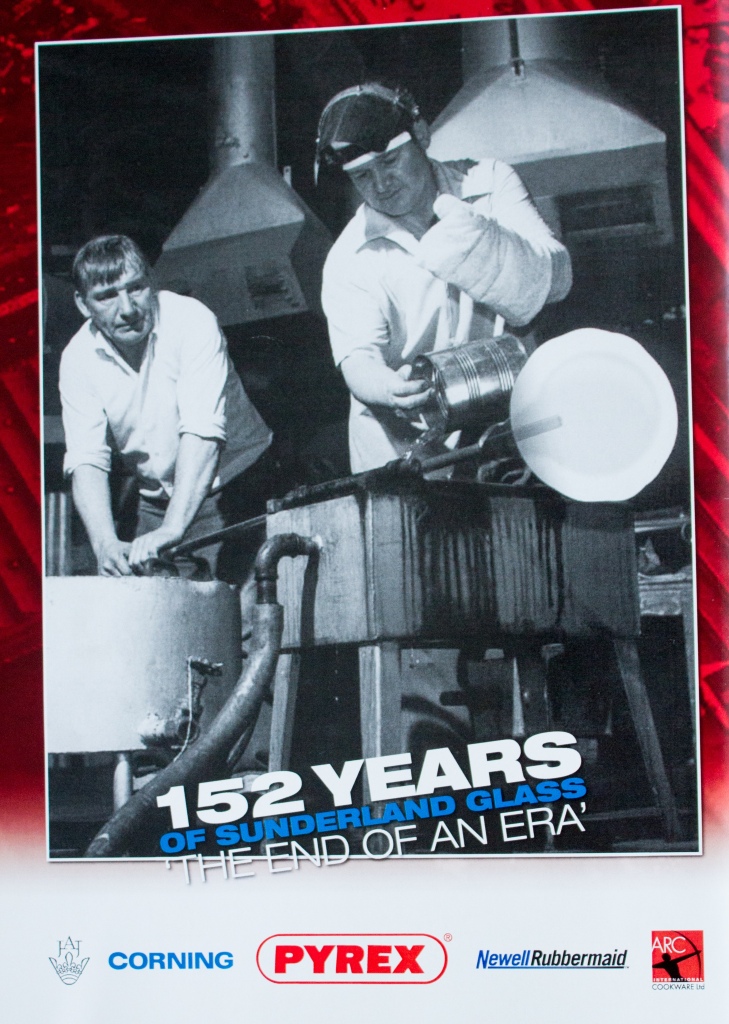
In the 90’s another looming loss to the community was playing out in slow motion. There were intense pressures on the City’s glass manufacturers from mass produced glass coming in from China. Flooding the English market with cheap glass. Pyrex was struggling to compete with rising energy prices on top of the product competition. Slowly but surely the demise of industrial glass was on its way.
In 2007, Pyrex finally completely closed its Sunderland plant and moved all operations to France.
All hope was seemingly lost but in 1992 to 1993 tentative hopeful whispers began in the meeting rooms of Sunderland. We had just been awarded City status.
No longer the depressed town of Sunderland. It helped us to secure more help and funding from government. We were one of the first of the 90’s new city’s without a cathedral.
Sunderland University has always placed itself at the centre of our cultural innovation as both a town and a city. In 1992 with the new City status our local polytechnic became a university.
Sunderland University puts its history here as far back as 1901. The University’s modern roots lie in the Sunderland Technical College, which opened at the Galen Building in Green Terrace in 1901.
https://www.sunderland.ac.uk/about/#:~:text=The%20University%20of%20Sunderland%20is,innovative%2C%20accessible%20and%20inspirational%20university.
The old shipyards had been demolished.
Our very polluted river began to slowly heal from the centuries of industrial use. There was a lot of work to be done.
Work to the landscape and to the people. After all of that poverty, loss and struggle those up on high decided to throw the City a bone.
The new University, Sunderland city council, the arts council, the V and A, local glass businesses, and the Tyne and Wear development corporation began to imagine a new era.
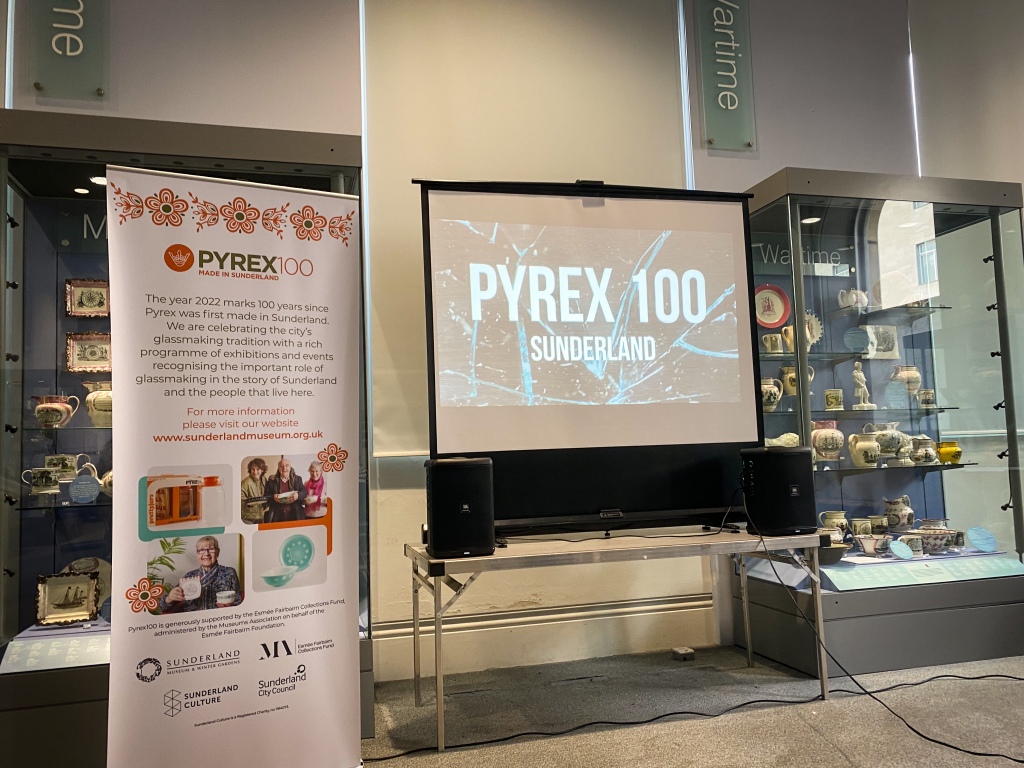
A striking new monument to glass blowing and shipbuilding. The National Glass Centre. Opened by (then) prince Charles in 1998. With aspirational ambitions to safeguard the skills. Too show the people what we can do and to secure a legacy fit to fill the boots of all that was before.
Sunderland was not entering the new millennium with nothing but starving kids.
We were going to take a piece of polluted brownfield land and we were going to turn it into a shiny new beacon of hope.
Celebrating our long history with glass in St. Peter’s ward in Roker and honouring the titans of industry. Protecting the skills and giving new life to destroyed land. We were awarded a ship shaped building with wizards housed inside who crafted molten glass.
The National glass centre. Pure magic.
Hailed as an architectural gem by RIBA master architect Piers Gough. It was glorious. And it went a long way in changing the hearts and minds of disenfranchised mackems across the city.
No longer would we toil in mines, and shipyards. No longer would the youth be feckless and unemployed. Here was the age of the artists and artisans.
Before the rhetoric of ‘levelling up’ and the ‘Northern Powerhouse’ there was a genuine investment into arts and culture.
Back in 1999 a certain young 14 year old attended to watch the wizards shape molten glass into objects. I went from only hearing about mining and ship building to having my eyes opened to the immense possibilities of the arts.
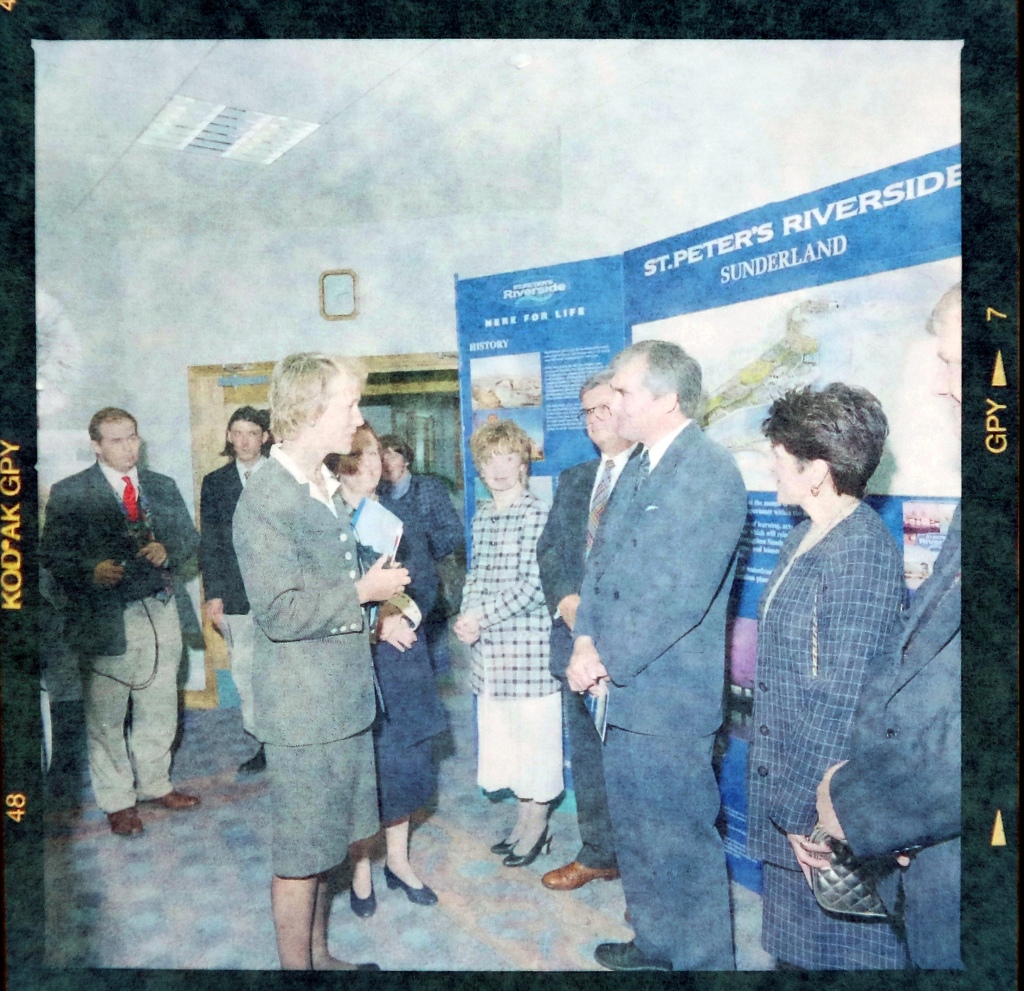
National heritage secretary Virginia Bottomley yesterday visited the north east and announced that the national lottery has already made 115 awards, totalling £29.7m, to the region – and that was just the beginning.
The national lottery was an engine for regeneration and job creation, she added.
Speaking at the launch of the Media Programme of Visual Arts UK in Newcastle, Mrs Bottomley said that the national lottery was this year’s great British success story:
‘The arts, sport and heritage now have access to more money than ever before. The national lottery is an entirely new element in the funding picture which, after only one year, is already transforming our national heritage. And it is also a boost for jobs making a real contribution to local economies through job creation and regeneration.
‘Here in the north east a wide range of projects, large and small, have benefitted. High profile awards include the £6m to the National Glass Centre and the £5.7m to Newcastle’s Smiths Park. Awards have an enormous and beneficial effect on their local economies. They bring jobs to the areas and improve the quality of life of local people in the longer term. There have been dozens of small-scale projects which have also received awards.’
https://www.lgcplus.com/archive/bottomley-lottery-engine-for-regeneration-and-job-creation-07-12-1995/
In the maelstrom of millennium projects and joyous investments in to education a new generation of Mackem’s emerged. Mackems who were innovative, culturally rich and hungry for more.
As I trawl through the TWAM archive photographs I took in June I will add more to this written series. If you think I am missing out any important points, let me know!
Until next time, get yourself down to the National Glass Centre. Have a brew. Take in some amazing art. Enjoy watching wizards in the hot glass demonstrations. Take a class.
Whatever you do, cherish it now ❤️
#savethenationalglasscentre #savethengc #NationalGlassCentre #Sunderland

 Save the National Glass Centre
Yes it’s a lovely place. And we need it!
LikeLiked by 1 person
I totally agree ❤️
LikeLike
Really well done – I understand that the Sunderland museum is also due to close – with no specific reopening date? It seems to me that suggests that both local and National governments do not feel Sunderland is worthy of access to its own history and culture.
LikeLiked by 1 person
The museum should be ok. They’ve just been awarded £5 million to update. But the Glass Centre is definitely going to take a lot of fighting for!
LikeLike
Thanks for putting it all in context, Jo. Great article. It’s a shame that the government’s “levelling up” policy seems not to apply to this closure. Instead the University looks set to make millions without returning a single penny to Sunderland people and their cultural life.
LikeLiked by 1 person
How dare the plebs want their own culture? They’ll get what culture they’re given, and be darned grateful –
the powers that be.
LikeLike