
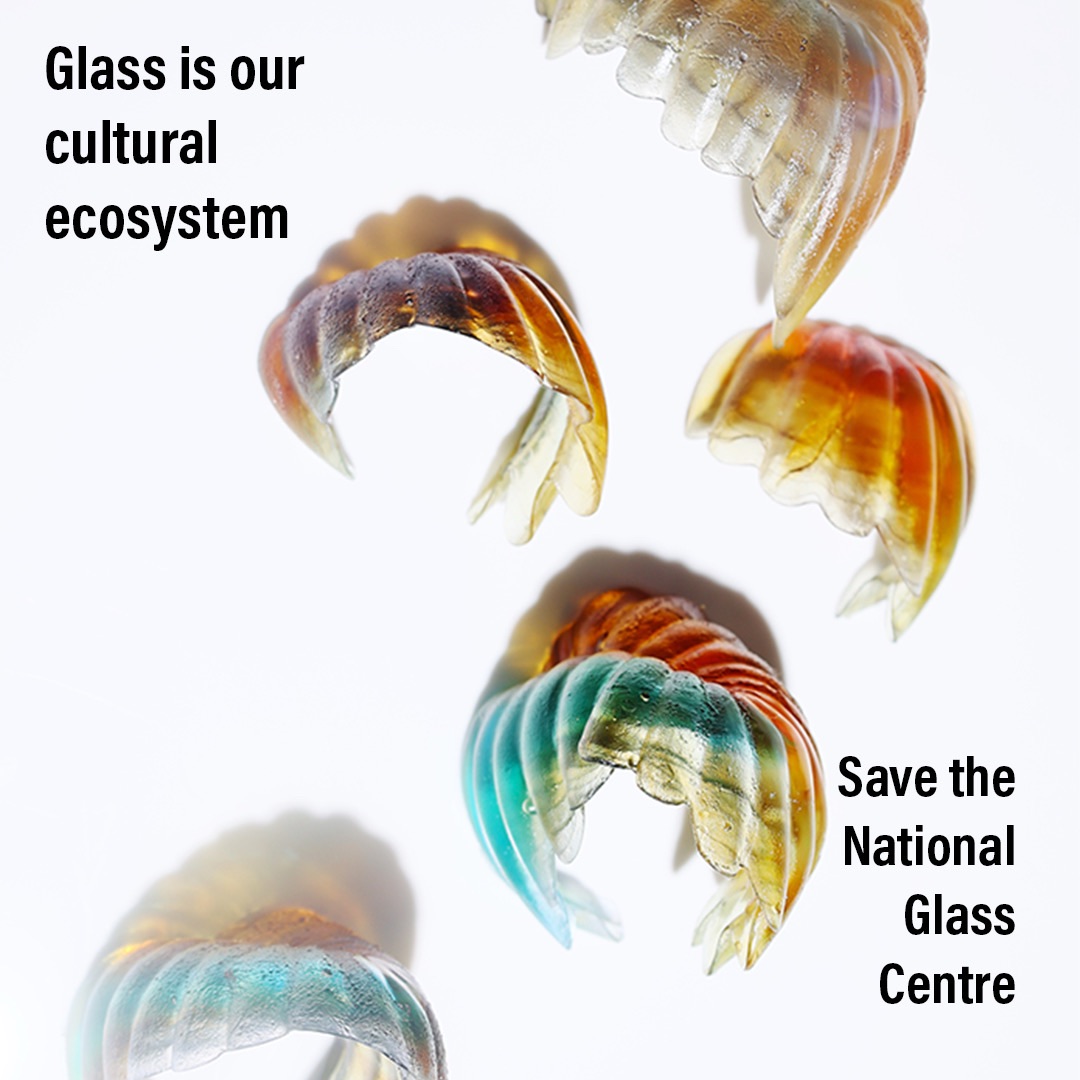
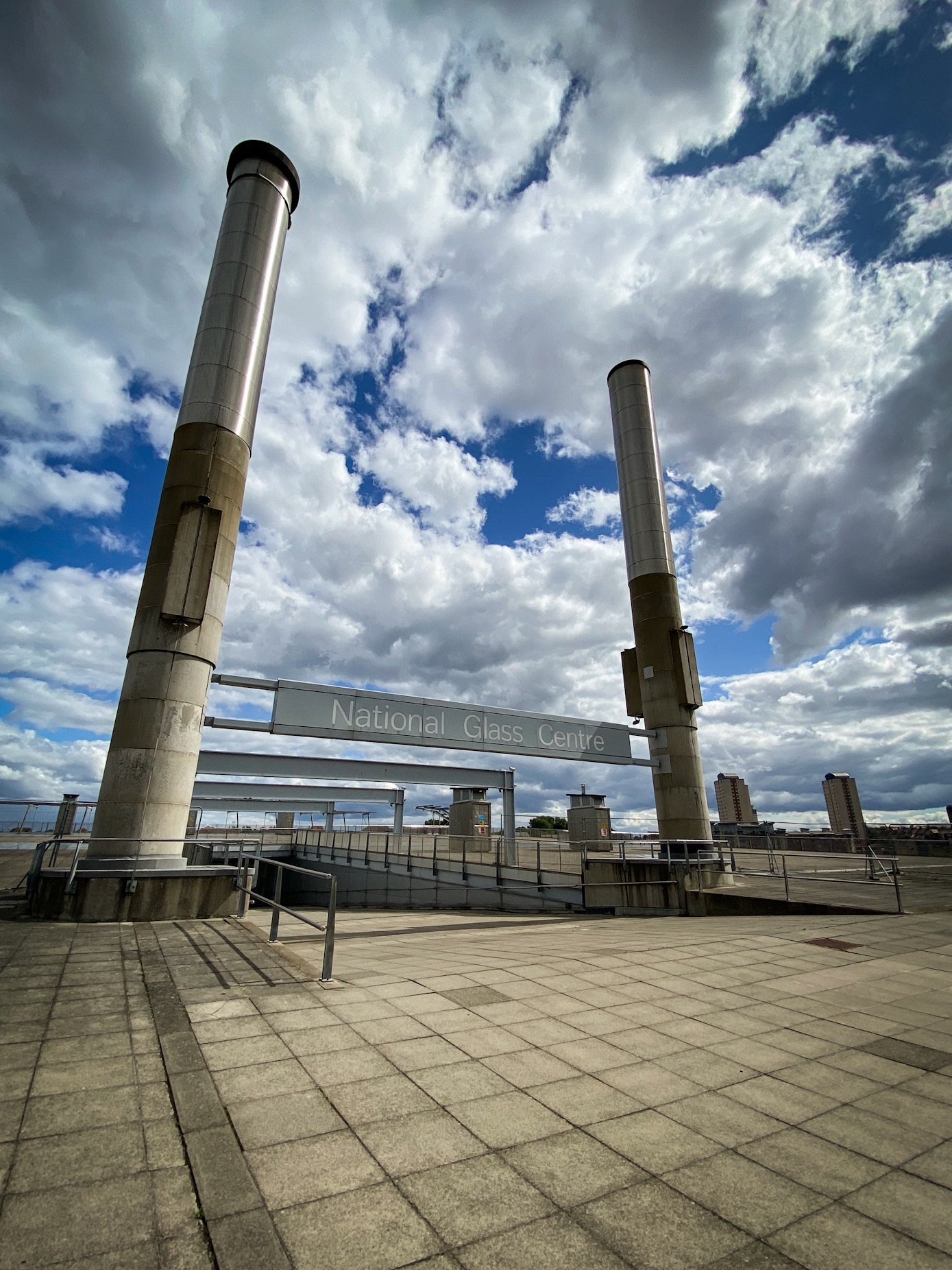
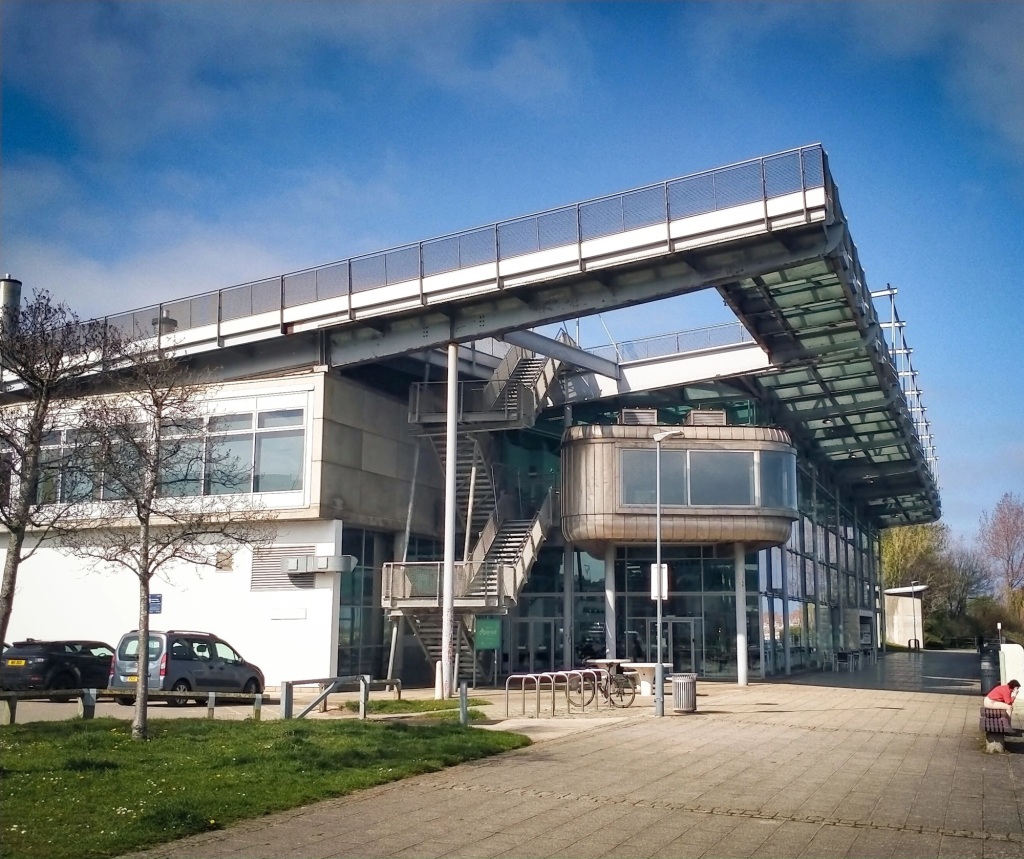
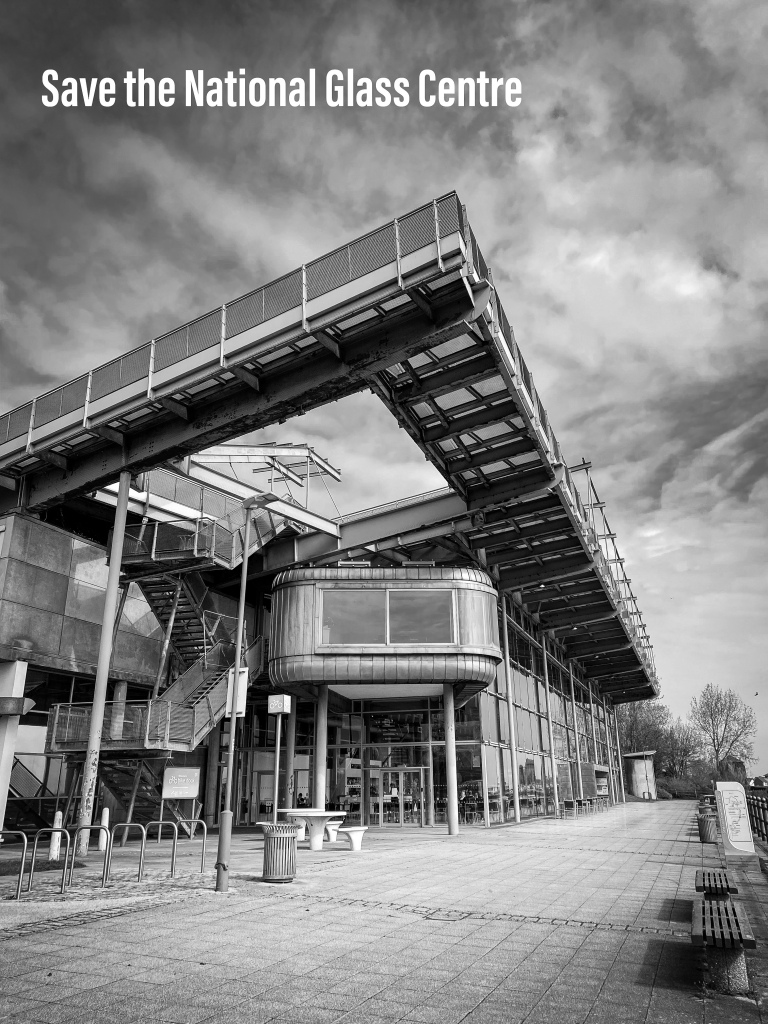
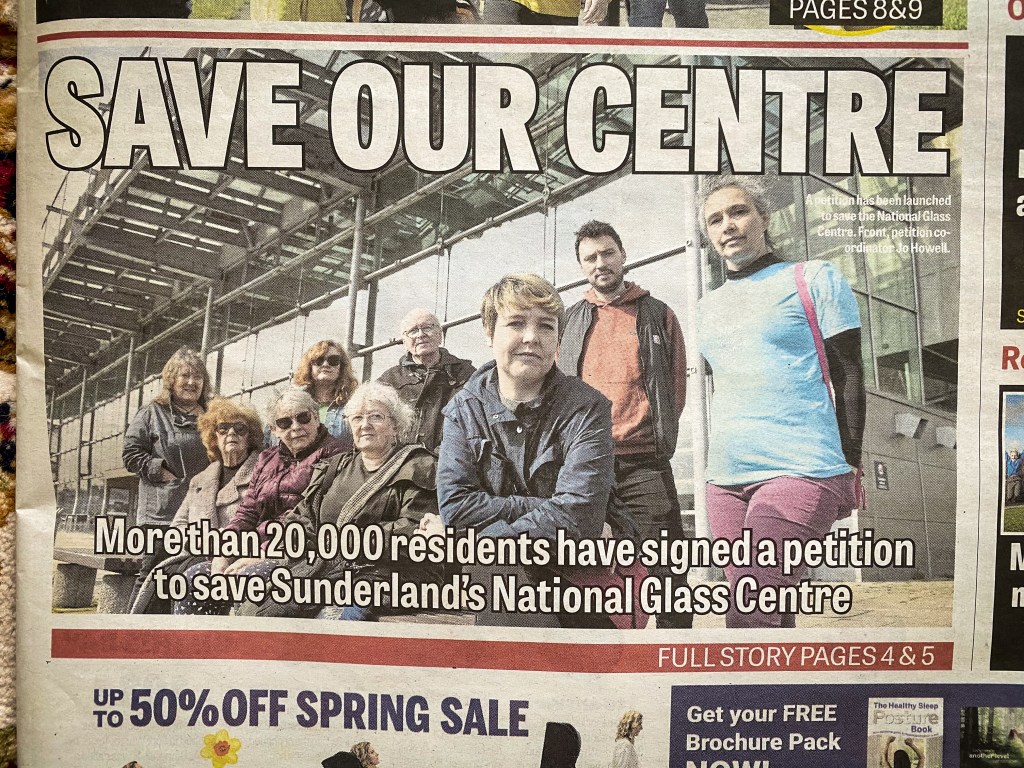
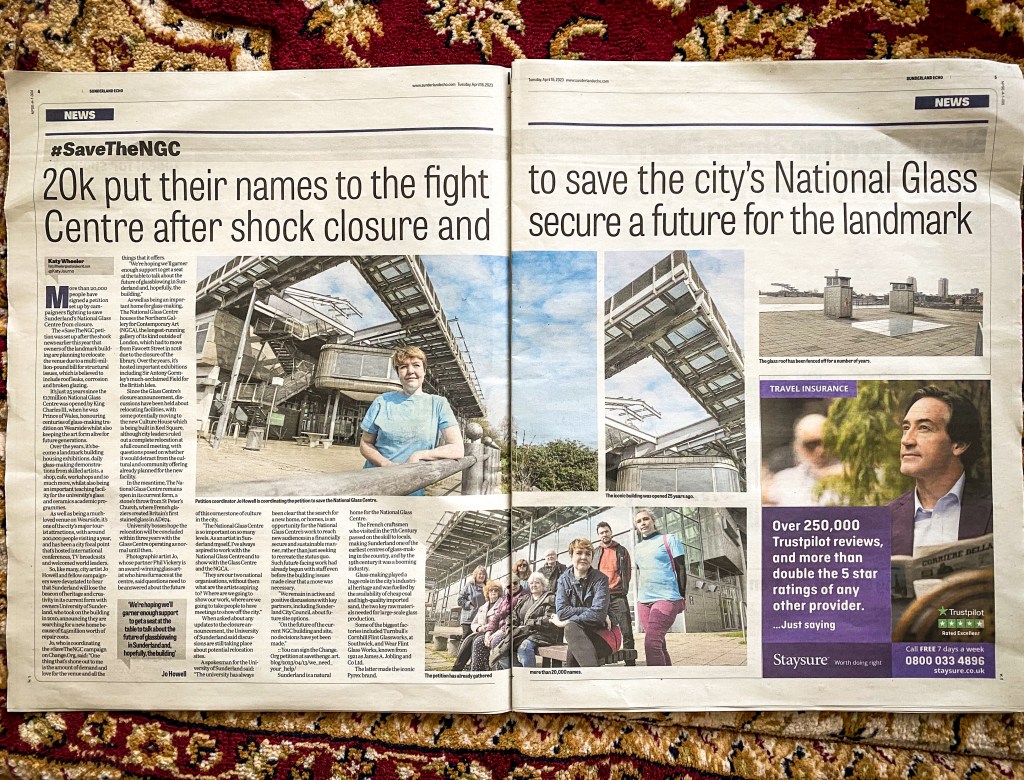
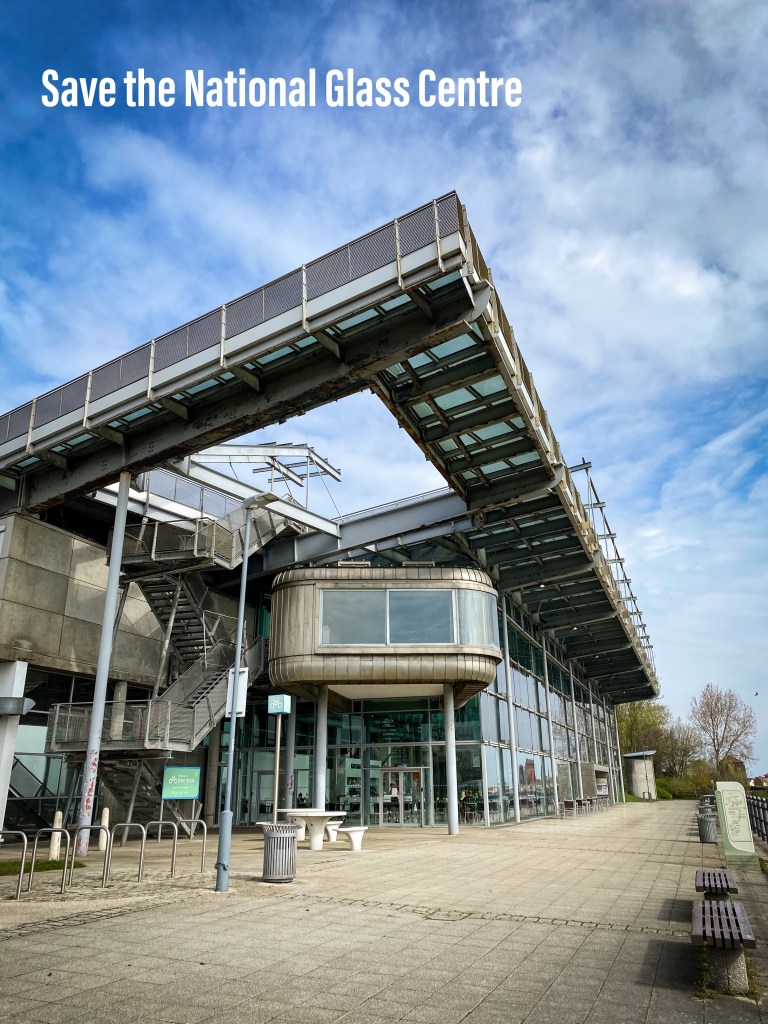
After another shock announcement that the National Glass Centre will close on Sundays from March 16th Save the National Glass Centre Campaign calls for more boots on the ground.
Sign up for updates on how to help the campaign by emailing savethengc@gmail.com with Newsletter in the subject line.
Article prepared and written for Save the National Glass Centre campaign
Why are the sands of time are running out for the National Glass Centre?
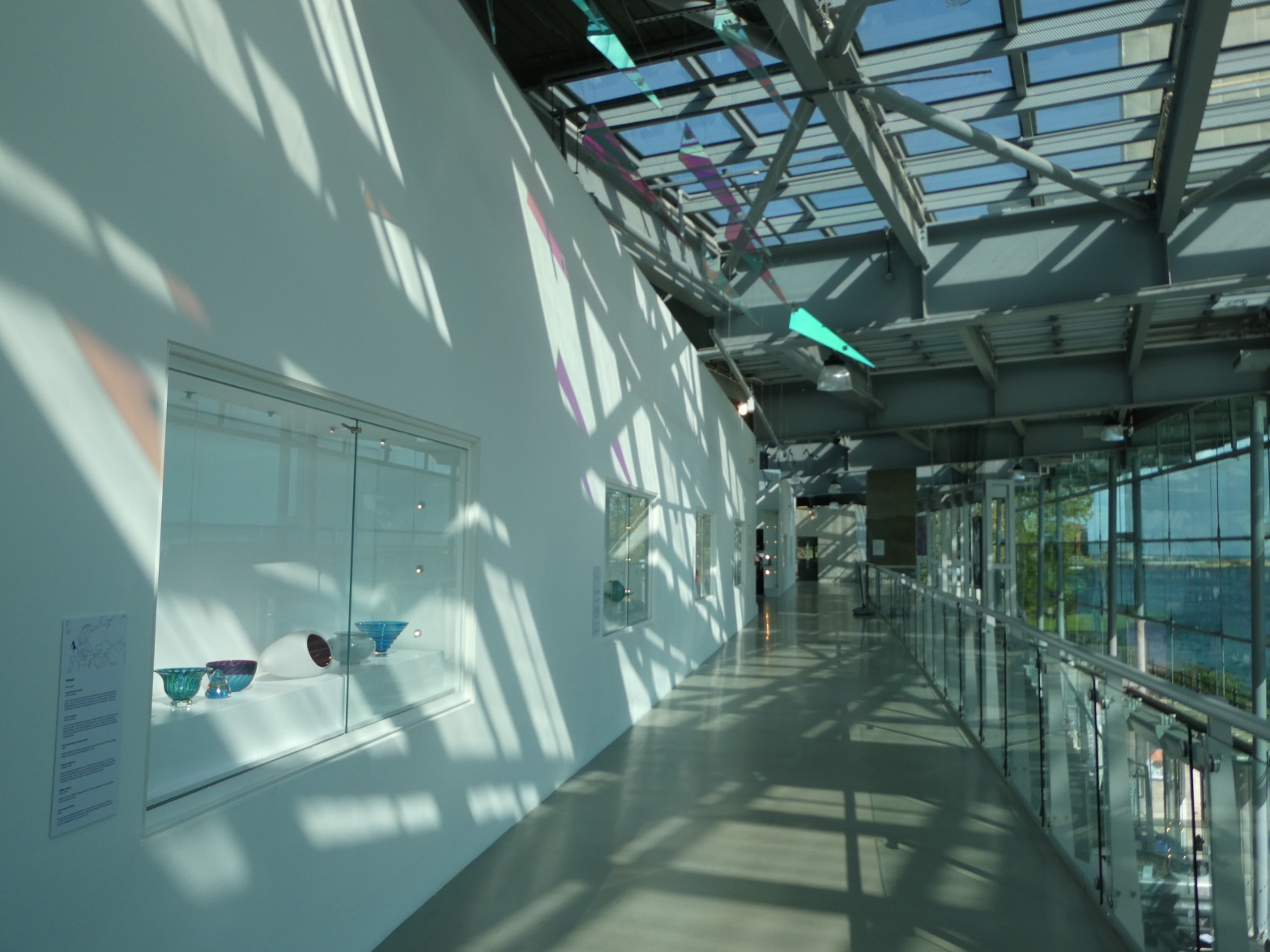
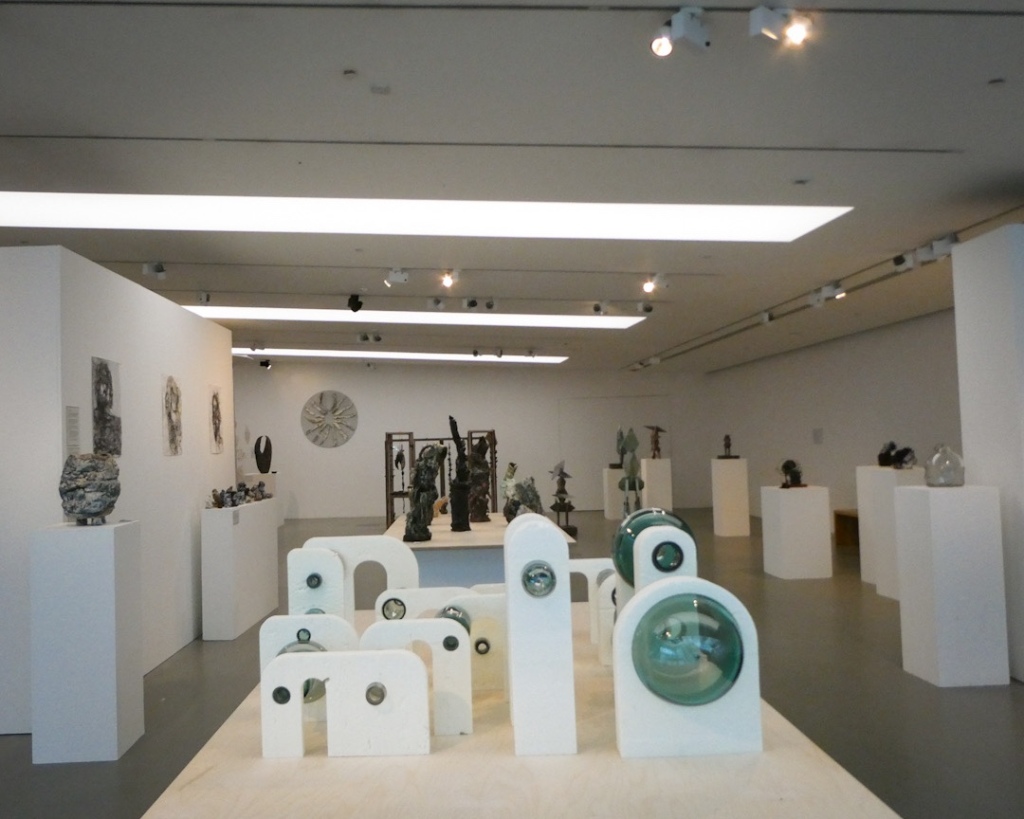
Another blow for the National Glass Centre (NGC) and Northern Gallery for Contemporary Art (NGCA) with the announcement that from Sunday 16th March the National Glass Centre will close on Sundays.
Yet again the offer for locals and visitors is weakening with the University of Sunderland deciding that working families will only be able to enjoy a visit to the “world-class” cultural venue on one day of a usual working week – Saturdays.
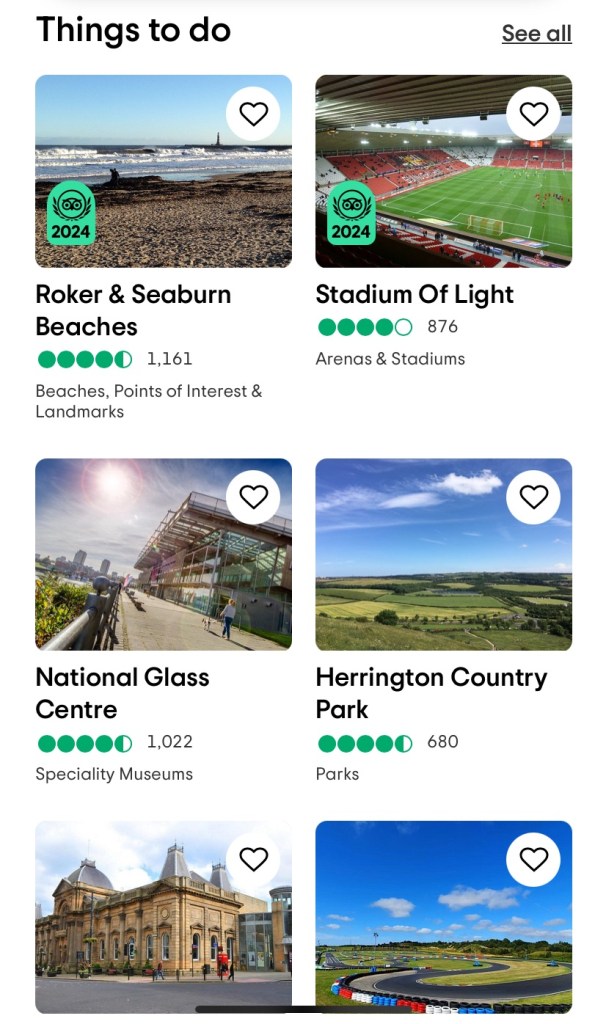
Campaigners believe that the university should not have the sole responsibility for deciding the much-loved attraction’s future. They are questioning why Sunderland’s second most popular visitor attraction, after the Stadium of Light, (Tripadvisor) will be closing on Sundays, the second most popular day for visitors (according to Google).
Tenants have been told by email that,
“The decision has been taken by the University of Sunderland to balance the needs of students, staff and visitors to the NGC, with the University’s efforts to ensure the NGC runs as sustainably as possible until the planned closure of the building in July 2026.”
The NGC used to host about 230,000 visitors in a usual year according to Sunderland Culture. People north of the river are worried about what will happen to local businesses such as B&Bs, shops, cafes and pubs if the NGC closes in summer 2026.
It has become clear that the plan for the NGC’s “replacement”, Glassworks:Sunderland, is fraught with difficulties; moving specialised glassmaking equipment out of a purpose built venue into an old building in need of repair will not come cheap.

A substantial amount of money will need to be raised, and work has barely started on developing a robust business model for the self-sustaining glass making hub. The predicted footfall of 50,000 visitors at Glassworks will make it much harder to afford to employ 16 “creative roles”.
1700 schoolchildren used to visit the NGC annually to learn about the unique heritage of Sunderland and experience the thrill of glassmaking, yet there is no mention of children in the new plan.
If the plan for Glassworks fails to overcome all the challenges, we could be left with nothing!
Campaigners now know through Freedom of Information requests that the university has written off the value of the NGC and NGCA in its accounts, previously the “net book value” was £10.6million (FOI2425/10/16), assets created for the community using a huge amount of public money.
The Chair of the Board of Governors has written that “the land is not of significant value and even that would be largely offset by the cost of removing the building and any potential landscaping” (11.04.24).
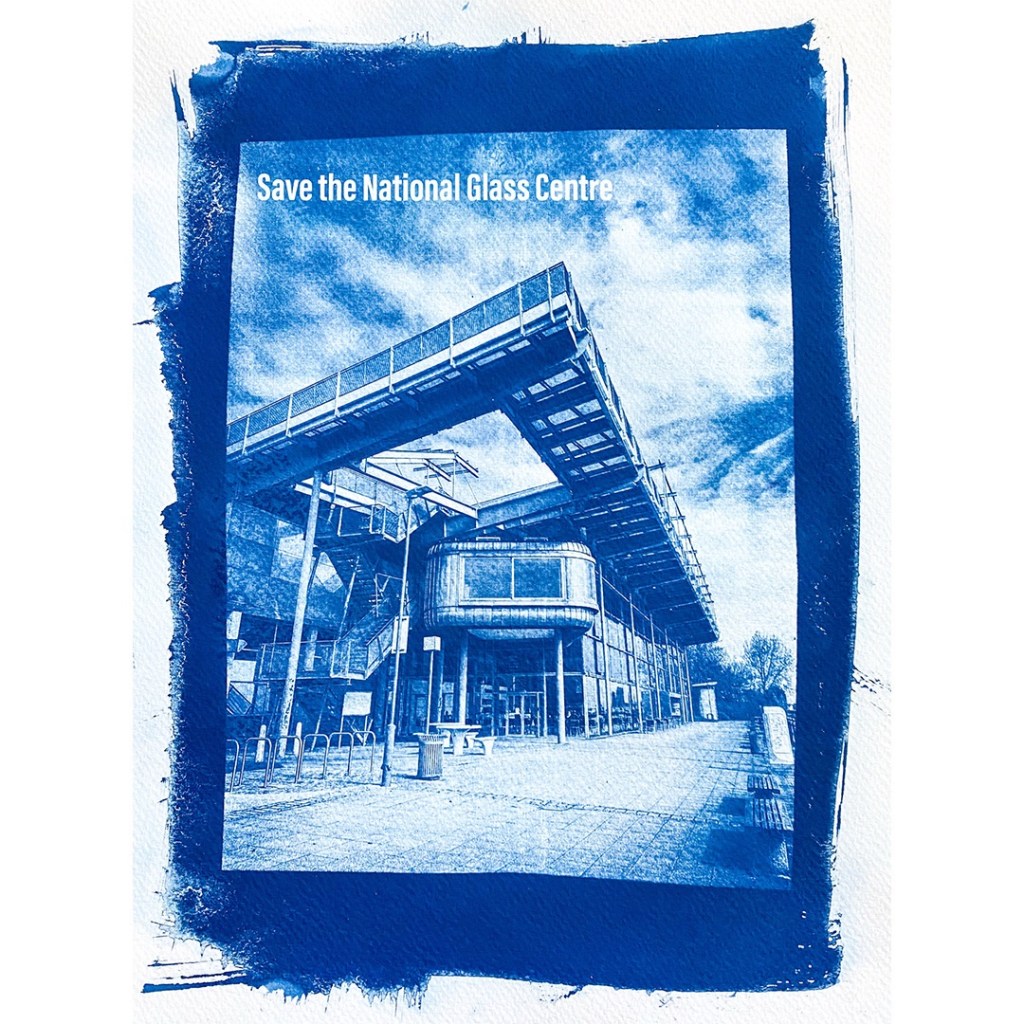
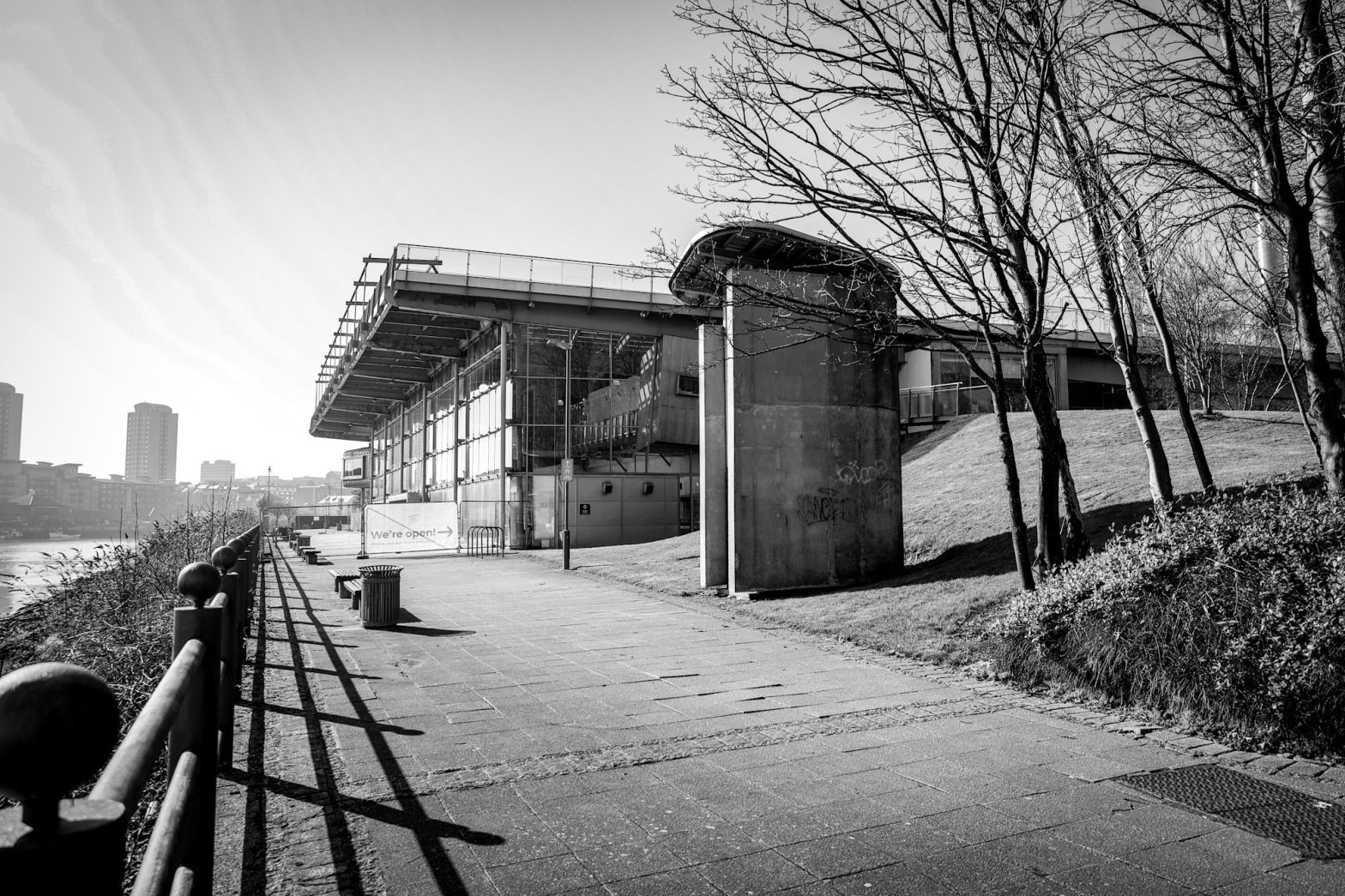
The university’s own documents show that the NGC building has not been well maintained, leading to a backlog of repairs. The documents also show that there is a workable solution with build costs of around £6.6million.
A substantial amount of that cost has already been spent recently after the university had to replace the structural features that they removed from the main glass façade in 2022, without the oversight of Planning Permission or Building Control, an action which endangered the public for 12 months before the error was noticed and rectified.
Considering all this, campaigners are appealing directly to the university to allow Sunderland City Council to step in and take back full control and return the centre to what it was, a “world-class cultural asset” for the public to enjoy.

In the summer of 2026, the last university students will leave the building. This leaves plenty of space for the important heritage of glassmaking to continue whilst developing an even more enhanced offer for visitors, artists and our future generations by celebrating the religious, industrial and maritime heritage aspects of Sunderland’s proud history.
There are several organisations in Sunderland that could be drawn together under one roof. Never forget that Sunderland was the largest shipbuilding town in the world, that there is a little bit of Sunderland in millions of cupboards around the world in the form of Pyrex dishes, or the memory of Venerable Bede and his creation of the idea of the English as a people. Why can’t our city’s proud heritage be celebrated more?
Whilst The National Glass Centre will probably never beat The Stadium of Light and become the most popular visitor attraction in Sunderland it certainly could continue to enjoy its current second place!

Remember to email us! We are planning something and we need you all to be part of it!










 Save the National Glass Centre