thanks for your support. On Wednesday, 25th March, Sunderland City Council will debate a motion which could help to pause demolition and save the National Glass Centre. If you still feel strongly about this, please could you write to your local councillors and MP to express your concerns. This will help the campaign enormously. If you live in Sunderland, consider attending the council meeting in person (4pm at City Hall, Sunderland) to show the strength of public feeling.
Over the past weeks, our campaign to Save the National Glass Centre has grown from a shared concern into a powerful, united movement—one that has been strengthened every single day by your voices, your presence, and your unwavering belief that this iconic place must remain at the heart of Sunderland’s cultural life. We want to thank every one of you who has stood with us, both in person and online. Your commitment is the reason this campaign has momentum, visibility, and hope.
A Night That Made History
On Wednesday 19th November, more than 120 supporters braved the stormy weather to attend the open meeting at City Hall. The turnout was nothing short of inspiring. It was a clear demonstration that the people of Sunderland care deeply about the future of the National Glass Centre—enough to show up, speak up, and stand together.
The presentation delivered by our campaign team was thorough, well-evidenced, and transparent. It laid out the complex challenges surrounding the future of the Centre in a way that was accessible and honest, and it showed—beyond any doubt—that there are better choices than simply letting the NGC slip away.
Council leader Michael Mordey listened carefully throughout the meeting. Yet, despite the strength of evidence and the passion in the room, he appeared unmoved. That makes our next steps even more vital.
Taking the Fight Forward
In response to the meeting, our remarkable campaigner CB has put together two crucial documents to help every one of us take action:
An open letter that supporters can share widely
A specially crafted action list for the council leader
Both documents are available for download here. Please share them, sign them, send them—every message counts. Every signature counts. Every voice counts.
Together, We Are Impossible to Ignore
The future of the National Glass Centre is far too important to leave to quiet decisions behind closed doors. Our city deserves transparency, creativity, ambition—and above all, respect for the cultural institutions that shape who we are.
Thank you for continuing to show up. Thank you for speaking out. Thank you for believing that Sunderland deserves to keep its world-class centre of creativity, education, and innovation.
This campaign is far from over—but with your support, it is stronger than ever. Keep sharing. Keep talking. Keep pushing. Together, we will make sure that the National Glass Centre’s light does not go out.
Public meeting at Sunderland City Hall, Platers Way, SR1 3AA on Wednesday 19th November 2025 6pm to 8pm.
As Sunderland faces the proposed closure and demolition of the National Glass Centre (NGC) in 2026, we invite everyone who cares about the city’s creative future to get involved in shaping a better alternative.
The NGC has stood for innovation, education, and pride in Sunderland’s world-renowned glassmaking tradition. Its closure would not only remove a major cultural landmark but also threaten the skills, jobs, and opportunities that have defined our region for generations.
Now is the time for supporters, artists, educators, local residents, and heritage advocates to join a constructive discussion with the Leader of Sunderland City Council. Together, we can explore new possibilities for preserving and strengthening the city’s connection to glassmaking—while ensuring a vibrant and sustainable future for the next generation.
Why Your Voice Matters
Sunderland’s identity has always been shaped by glass. From shipbuilding to design innovation, our story is one of craftsmanship and creativity. By contributing your ideas and support, you can help shape a vision that keeps these traditions alive while embracing new opportunities for culture, learning, and enterprise.
We welcome written submissions, comments, and messages of support from individuals and organisations who want to take part in this positive discussion. If you believe in a better future for the NGC and for glassmaking in Sunderland, now is the time to speak up.
Join the conversation today — together, we can create a stronger future for Sunderland’s glassmaking heritage.
The time to act is now. Sunderland’s creative heart is under threat — the glass artists and the National Glass Centre are facing an uncertain future. This isn’t just about saving a building; it’s about protecting a legacy of skill, innovation, and artistry that has shaped our city’s identity for generations. Glassmaking is Sunderland’s soul — a story of craft, courage, and community. To lose it would be to lose a vital part of who we are. Together, we can make sure the artists, the students, and the spirit of glass have the future they deserve. Raise your voice. Share the message. Stand for Sunderland. Let’s keep the fires burning bright.
One year from today, they say the doors will close on the National Glass Centre. One year until we might stand beside a shuttered shell where light once poured through steel and glass, and say to a child:
“This used to be where we made beauty.”
You know this place. A place where art meets science, where play meets precision. A place where Sunderland shows the world what it can do. A skill honed over 1,350 years.
It stands in the shadow of St Peter’s, where stained glass began. Built on the site of J.L. Thompson’s shipyard, within sight of Wearmouth Colliery, the National Glass Centre honours them all.
You’ve felt the heat of the furnaces. You’ve seen sand and flame become art. You’ve felt the cold river wind sweep up the Wear, where ships once brought ballast and carried coal.
School trips, weddings, lazy afternoons with family,international exhibitions; so many memories made in glass. You might have wondered, “How did they make that?” You might even have made a bauble, or a tile, yourself.
In twelve months, we risk losing it all—not just the building, but the stories, the skills, the sense of pride it gives us.
Sunderland, what will we tell the children then? When they ask what happened? When they ask why we let it go? When they ask if we even tried to save it?
Because once it’s gone, it won’t be easily replaced. Glass is fragile like that. Culture is fragile like that. But it can be protected—if we act now.
So today, we mark the beginning of a countdown—not to defeat, but to defiance. There is still time. Time to speak up, to celebrate, to shout louder.
Let’s not wait until it’s too late to remember what we had. Let’s fight for what we still have. The clock is ticking. Stand up, Sunderland. Stand up for your history, your culture, your soul.
With love, A Mackem who refuses to say goodbye just yet.
Do you want us to publish a memory, photograph or video about the importance of the National Glass Centre?
Article prepared by Save the National Glass Centres campaigner Jo Howell. Have you noticed this trend from UK Universities? Let us know in the comments.
Graduating class 2025 holding Save the National Glass Centres sign.
Across the UK, universities have evolved into powerful economic entities, not just centers of education but also significant players in the property market. With rising financial pressures and the need to secure alternative income streams, many universities have increasingly turned to land development and real estate ventures. However, this trend is not without consequences, particularly for arts and cultural organisations that risk being displaced or sold off to make way for commercial ventures.
One of the most poignant examples of this growing tension between university growth and cultural preservation is Sunderland University, where the development of property has raised alarms about the potential loss of cultural landmarks—particularly those that have long been vital to the upward social mobility of local working-class communities.
Universities as Land Developers: A New Financial Reality
In recent years, universities across the UK have sought to capitalise on the booming property market. With government funding cuts, higher tuition fees, and the increasing cost of running educational institutions, many universities have turned to real estate development as a lucrative means to generate additional revenue. Property projects, ranging from student accommodation to commercial spaces and research hubs, have become key parts of university expansion plans.
While these developments are often marketed as essential for the growth of the university itself—allowing for better facilities and more student spaces—the consequences for local communities, particularly arts and cultural organisations, are more complex. The land acquired for development is often situated in city centers or areas that are home to arts organisations that are vulnerable due to limited funding.
This trend has raised concerns that universities, once stewards of local culture, are now prioritising commercial interests at the expense of cultural spaces. In some cities, the push for university-driven property development has led to the closure or relocation of long-standing cultural venues—spaces that have traditionally provided a platform for creativity, community expression, and social engagement.
The National Glass Centre: A Cultural Anchor for Sunderland’s Working-Class Communities
In Sunderland, the issue has come into sharp focus with the case of the National Glass Centre (NGC), a cultural institution that holds immense significance for the local community, particularly working-class families. The centre, established in 1998, has not only been a hub for the arts but also a key vehicle for upward social mobility and aspirations in a city that has long struggled with economic hardship and social inequality.
For generations, Sunderland has been known for its industrial heritage, with shipbuilding, coal mining, and glass manufacturing at the heart of its economy. However, as these industries declined, the city faced significant social challenges, including high unemployment and limited opportunities for young people. In this context, the NGC became more than just a museum or gallery. It represented hope and possibility for many working-class individuals who had limited access to cultural or educational opportunities. The centre provides workshops, apprenticeships, and hands-on training in glassmaking—skills that have empowered local people to enter creative and technical fields.
The NGC is a place where many young people, often from disadvantaged backgrounds, are introduced to new possibilities that extend far beyond their everyday experiences. For these individuals, the NGC has been a critical part of building self-esteem, confidence, and career aspirations. It represents the kind of cultural resource that challenges traditional class boundaries and fosters a sense of belonging in a city that has long been overlooked.
However, as Sunderland University has expanded its footprint in the city, the NGC has faced increasing pressure. In recent years, the university has made moves to develop the surrounding land, raising fears that the NGC will be displaced in the name of progress. Local arts advocates worry that if this trend continues, the NGC may eventually cease to exist. Thus losing its community-focused identity, likely to be replaced by private development or luxury student accommodation.
The High Cost of University Expansion
The growing tendency for universities to act as developers has led to a broader debate about the role of these institutions in shaping the physical and cultural landscape of cities. While it’s undeniable that universities play a crucial role in regional economic development, their increasing focus on property development has often come at the cost of cultural assets that are integral to the local identity.
The National Glass Centre’s role in promoting upward social mobility highlights a crucial aspect of this debate: cultural institutions are not just places for artistic expression but vital vehicles for social change. They provide the working-class population with opportunities that would otherwise be inaccessible, offering not only educational benefits but also fostering community cohesion and pride.
For many in Sunderland, the loss of such cultural institutions would represent more than just the demolition of buildings; it would signify the loss of a unique cultural heritage that has allowed local people to dream beyond the limitations imposed by their circumstances. The National Glass Centre, in particular, provides a rare example of an arts institution directly contributing to the aspirations of its community for a better life, offering skills and opportunities that many other parts of the country currently envy.
The Balance Between Growth and Culture
The growing involvement of universities in property development raises an important question: How can institutions balance their ambitions for growth with their responsibility to protect and nurture the cultural assets that are integral to their local communities?
University executives are key decision-makers in this process and must consider not just the financial viability of their ventures but also the broader social impact of their decisions.
University-driven redevelopment should not come at the cost of the community’s cultural wealth.
A Call for Thoughtful Development
The case of the National Glass Centre in Sunderland serves as a poignant reminder of the importance of cultural spaces in creating pride and providing opportunities for young people. Moving forward, it is essential for universities to reconsider their approach to development strategies. Ensuring that the benefits of growth are shared equally with the arts and local communities, not just the commercial entities that stand to profit from redevelopment.
The challenge for universities is to find ways to grow without losing sight of their role as stewards of culture and community. It is possible to foster educational and financial growth while also safeguarding the cultural heritage that enriches local life. The time has come for universities to develop a more balanced approach—one that acknowledges that true progress cannot be measured in property alone but in the social and cultural impact they leave behind.
Please sign the petition and share the article with likeminded people.
After a remarkable council meeting I thought I’d share some highlights. Cross party support for the motion requesting a more robust look at the presented documents from Sunderland University regarding the National Glass Centre and a call for compulsory purchase.
Labour representatives were reading from carefully considered scripts to spin the narrative towards Glassworks Sunderland whilst patronising us by suggesting we are ‘romanticising heritage’.
This is OUR CULTURE. This is our future. That’s why the fight will continue until common sense prevails. As proud working class people we cannot allow this top down dictatorship. We deserve our NATIONAL Glass centre. Not empty promises.
Save the National Glass Centre photograph by Jo Howell
You are invited to…
Sunderland City Council Meeting
At 4.00pm in City Hall, Sunderland on 25th June 2025
To witness the debate deciding if the Council will pass the Motion below and start the process of investigating the actions of the University of Sunderland regarding the decision to close the NGC, thereby ending 1350 years of glassmaking in Sunderland.
The Council Meeting is open for the public to attend, please come and show your support for the Campaign to Save the National Glass Centre.
Or follow the live stream of the Meeting at…
Notice of Motion – Protecting our heritage
This Council regrets the decision taken by the University of Sunderland to close the National Glass Centre in 2026.
Preserving Sunderland’s glassmaking heritage is vital to the city’s cultural offer as well as the Council’s economic growth ambitions.
The University has taken this decision due to what it claims are unaffordable repair costs and sustained operating losses. Council expresses concern regarding the accuracy of the cost estimates so far presented.
Council therefore resolves that the Chief Executive will write to the University’s Vice Chancellor with the following questions:
1. What is the scale of the Centre’s operating loss in the current financial year and the preceding 5 years?
2. Do those losses reflect the cost incurred when structural changes were made to the Centre’s main façade in 3. 4. 2022?
3. How does the University account for the Centre’s income and expenditure?
4. Will the University release all documents relating to its ownership of the Centre and confirm whether that ownership is subject to any restrictions?
The proposal to establish an alternative glassmaking provision in Sunniside in 2027-28, known as Glassworks: Sunderland, fails to address the loss of expertise caused by the Centre’s closure, ignores the economic implications for the surrounding area, and is itself only partially costed.
Council further resolves that the Chief Executive will prepare a detailed report, to be made public within 6 weeks, with the following terms of reference:
Fully explain the proposed ownership structure of Glassworks: Sunderland.
Consider whether the National Glass Centre and Northern Gallery for Contemporary Art will continue to exist in any form following the closure of the Centre Building.
Outline the capital and revenue cost of making Glassworks: Sunderland fully operational (i.e. the cost of relocating equipment, refurbishment, fitting out, employing staff) and how this will be funded.
Save the National Glass Centre photograph by Gill Helps
Make some signage or some fashion and pop down to City Hall with us on the 21st May 2025 at 5pm.
Show the love, save the national glass centre promoted by Sunderland Conservatives
What’s the crack?
We want you to come and show support for the National Glass Centre.
Make some signage or some fashion and pop down to City Hall with us on the 21st May 2025 at 5pm.
We want to save the building et al because it was purpose built for our glassmaking heritage as a regeneration project for the City.
We believe demolition is needlessly destructive and will have adverse effects on our delicate marine and coastal environment.
The most sustainable building is the one that already exists.
Add to this that National Glass Centre is situated in St Peter’s because glassmaking was known to have been brought to Sunderland and taught to others in 674ad.
That’s 1351 years of glass!
We want to save the National Glass Centre because it has inspired working class people to enjoy art and heritage. It brings 230,000 people a year and we believe it could command even more.
The National glass centre building is an iconic emblem on the riverside. A cathedral of glass. Its cultural wealth and impact upon the surrounding area should not be underestimated.
The prestige of the highly skilled glassmakers has made our city known across the world. It symbolises our rich creative past and could be a flagship of new science or technologies of the future.
This National Glass Centre of ours is uniquely Sunderland. Anywhere can make music. Obviously we’re glad that we make music too but we are about to concede to the destruction of our only internationally facing unique selling point.
Katy Wheeler has put it excellently in the Sunderland Echo read it here:
Meet us at 5pm on May 21st at City Hall in Sunderland. Bring signs!
We need you beautiful people with some hand painted signs to have a visible outpouring of public love for the National Glass Centre.
It won’t be long until the shutdown of the National glass centre begins in earnest. We are running out of time to press this issue with MPs, councillors and everyone who has sway in this City.
The National Glass Centre has over £30 million of taxpayers money invested in it over the years. This is our investment. Our National centre with global appeal.
If you can’t come in person then take your opinions and crowbar them in on every comments section of every post of the Uni and the council. Point out hypocrisies publicly.
And of course share all of our posts!
See you at 5pm on May 21st at City Hall! Bring posters, signs and righteous indignation.
After another shock announcement that the National Glass Centre will close on Sundays from March 16th Save the National Glass Centre Campaign calls for more boots on the ground.
Sign up for updates on how to help the campaign by emailing savethengc@gmail.com with Newsletter in the subject line.
Yet again the offer for locals and visitors is weakening with the University of Sunderland deciding that working families will only be able to enjoy a visit to the “world-class” cultural venue on one day of a usual working week – Saturdays.
Campaigners believe that the university should not have the sole responsibility for deciding the much-loved attraction’s future. They are questioning why Sunderland’s second most popular visitor attraction, after the Stadium of Light, (Tripadvisor) will be closing on Sundays, the second most popular day for visitors (according to Google).
Tenants have been told by email that,
“The decision has been taken by the University of Sunderland to balance the needs of students, staff and visitors to the NGC, with the University’s efforts to ensure the NGC runs as sustainably as possible until the planned closure of the building in July 2026.”
The NGC used to host about 230,000 visitors in a usual year according to Sunderland Culture. People north of the river are worried about what will happen to local businesses such as B&Bs, shops, cafes and pubs if the NGC closes in summer 2026.
A substantial amount of money will need to be raised, and work has barely started on developing a robust business model for the self-sustaining glass making hub. The predicted footfall of 50,000 visitors at Glassworks will make it much harder to afford to employ 16 “creative roles”.
1700 schoolchildren used to visit the NGC annually to learn about the unique heritage of Sunderland and experience the thrill of glassmaking, yet there is no mention of children in the new plan.
If the plan for Glassworks fails to overcome all the challenges, we could be left with nothing!
Campaigners now know through Freedom of Information requests that the university has written off the value of the NGC and NGCA in its accounts, previously the “net book value” was £10.6million (FOI2425/10/16), assets created for the community using a huge amount of public money.
The Chair of the Board of Governors has written that “the land is not of significant value and even that would be largely offset by the cost of removing the building and any potential landscaping” (11.04.24).
The university’s own documents show that the NGC building has not been well maintained, leading to a backlog of repairs. The documents also show that there is a workable solution with build costs of around £6.6million.
Considering all this, campaigners are appealing directly to the university to allow Sunderland City Council to step in and take back full control and return the centre to what it was, a “world-class cultural asset” for the public to enjoy.
In the summer of 2026, the last university students will leave the building. This leaves plenty of space for the important heritage of glassmaking to continue whilst developing an even more enhanced offer for visitors, artists and our future generations by celebrating the religious, industrial and maritime heritage aspects of Sunderland’s proud history.
There are several organisations in Sunderland that could be drawn together under one roof. Never forget that Sunderland was the largest shipbuilding town in the world, that there is a little bit of Sunderland in millions of cupboards around the world in the form of Pyrex dishes, or the memory of Venerable Bede and his creation of the idea of the English as a people. Why can’t our city’s proud heritage be celebrated more?
Whilst The National Glass Centre will probably never beat The Stadium of Light and become the most popular visitor attraction in Sunderland it certainly could continue to enjoy its current second place!
Remember to email us! We are planning something and we need you all to be part of it!
On behalf of our campaign group, “Save the National Glass Centre”, we extend our warmest congratulations on your recent appointment as Secretary of State for Culture, Media and Sport. We were heartened to hear your speech at the Royal Television Society recognising the importance of the creative industries outside of London and noting that Jonathan Reynolds, no stranger to Sunderland, is putting the creative industries at the centre of your industrial strategy. As you said, “Talent is everywhere but jobs are not”. It was kind of you to mention the beauty of Sunderland in relation to the filmmaking industry, and the same can certainly be said of Sunderland’s longstanding glass making industry.
As publicly speaking out is “critical to a healthy, functioning democracy” we, the people, are appealing to you directly in an open letter…
Save the National Glass Centre
Stop the University from breaking the glass heart of Sunderland
Immediate action is required to prevent the loss of Sunderland’s much loved “world-class cultural asset”.
Our calls for action are,
An immediate stop is put to the University of Sunderland’s closure, demolition and relocation plans for the National Glass Centre (NGC).
An independent review into the situation is commissioned to establish the facts and consider alternatives other than demolition and the destruction of our internationally renowned, unique cultural asset.
That the people who care for, use, value, cherish and, let’s face it, have collectively paid for the NGC are central to the decision-making process.
That our campaign group are given the opportunity to present our evidence-based solutions which can ensure a sustainable future for our NGC, for our glassmaking cultural heritage and, most importantly, for our future generations.
Although the NGC is currently under the ownership of the university it was conceived as a public asset central to the regeneration of that area of Sunderland. It was paid for and supported by several organisations but principally British and European taxpayers. The university assumed full ownership through the collaboration of Arts Council England (ACE) and Sunderland Council.
The university has shown “violent indifference” to our exceptional cultural and educational venue and has decided to demolish the NGC thereby ending 1350 years of glassmaking in Sunderland. The decision was taken using biased, partial evidence. There was no public consultation, no reference to the fate of the complex cultural ecosystem surrounding the NGC and no consideration of the economic damage caused by the loss of the approximately 230000 visitors the NGC used to host annually (source: Sunderland Culture). Since the shock announcement 18 months ago, there is still no coherent plan to save and relocate the many and varied creative activities housed within the building, including the Northern Gallery for Contemporary Art. Millions of pounds of embodied public funds will disappear if the university is successful in its development plans.
Save the National Glass Centre
We are a group of local and nationally based people with a wide variety of experiences and professional qualifications. Collectively, we believe that the NGC can survive and thrive if the community, politicians, other interested organisations and the university work together in a spirit of positive engagement to create an ambitious, sustainable future. We are determined to challenge the averted gaze and lack of curiosity that has characterised the response of the public office holders accountable and answerable for this matter. As of this date, our elected representatives, Councillors and Members of Parliament, have been unsuccessful in holding the university to account so we are appealing to you directly as a group with the backing of over 35700 petitioners from 72 countries.
As a campaign group we have assembled a comprehensive evidence base containing many deeply troubling facts and unanswered questions, and we would welcome the opportunity to discuss this situation with you.
Your predecessors at the DCMS have been made aware of this matter, following enquiries from HRH King Charles and local politicians. In October 2023 Lord Parkinson wrote,
“…this is very much a live issue so we do not believe launching an inquiry would be productive at this stage.”
Do we have to wait until after the destruction of the National Glass Centre before this scandal is examined?
We await your response with anticipation,
Yours sincerely,
Signed on behalf of the Campaign to Save the National Glass Centre.
Save our 1350 year glassmaking heritage! First brought to the area to adorn St Peter’s and St Paul’s churches in 674 ad by Benedict Biscop. We have continued with pride and have a unique collection of highly skilled artists who have stayed in the region to make glass. You wouldn’t destroy 1350 years of heritage anywhere else, so why do you think it’s ok to vandalise culture in the North East?
Use our template below to write to your MP. We courted the previous lot of MPs and now we have to do it again for the new government.
Labour is heavily involved with Sir David Bell the current VC of Sunderland University. Not only is he advising on early years education but he is also about to be promoted to the Office of Students. We at the campaign believe we are going to need a whole host of you to write to ring the warning bells.
The fiscal reports from the UoS leave us wondering if we have misread them as for the last several years the National Glass Centre has been at the heart of the university advertising. The uni also bragged about being in an excellent financial position leaving many people wondering which reports hold the truth.
Standard letter template for MPs
[Your Name]
[Your Address]
[City, Postcode]
[Email Address]
[Date]
[MP’s Name]
House of Commons
London
SW1A 0AA
Dear [MP’s Name],
I hope this letter finds you well. I am writing to you as a concerned constituent and a passionate advocate for cultural heritage and the arts to seek your support for the campaign to Save the National Glass Centre (NGC) in Sunderland.
The National Glass Centre is not only an iconic architectural landmark but also a vital cultural and educational institution. Since its opening in 1998, the NGC has played an essential role in preserving and promoting the rich history of glassmaking in Sunderland, a tradition that dates back centuries and has significantly shaped our local identity and economy.
Beyond its historical significance, the NGC serves as a dynamic hub for contemporary glass art, providing a platform for both emerging and established artists to showcase their work. Its educational programs have inspired countless students and visitors, fostering a deep appreciation for the art and science of glassmaking. The Centre’s workshops, exhibitions, and community events have become indispensable to the cultural fabric of our region.
However, despite its invaluable contributions, the University of Sunderland has declared its intention to close the National Glass Centre in 2026. The potential closure of the NGC would not only be a devastating loss to the local community but also to the wider cultural and artistic landscape of the UK. It would mean the loss of a unique resource for education, heritage, inspiration, and artistic expression.
I urge you to support the campaign to Save the National Glass Centre by advocating for exploring sustainable solutions to ensure its long-term viability. This could include lobbying for government grants, engaging with private donors, and fostering partnerships with educational institutions and cultural organizations.
Your support can make a profound difference in securing the future of this treasured institution. By preserving the National Glass Centre, we can continue to celebrate and build upon Sunderland’s proud heritage, while inspiring future generations to explore the art and craft of glassmaking.
Thank you for your time and consideration. I look forward to hearing from you and am hopeful that, with your help, we can ensure that the National Glass Centre remains a beacon of culture and creativity in our community.
Poetry inspired by the National Glass Centre in Sunderland.
Artists from all kinds of professions rely upon the National Glass Centre as a nexus point for our cultural ambitions. If you want us to share your artworks about or made in the National Glass Centre send us an email!
Savethengc@gmail.com
Broken
Poem written by professional writer Anne Loadman.
The glass, goblet, rolled across the dining table,
spilling its ruby liquid,
and smashing,
percussive and shrill,
as it landed
on the wooden boards below.
Broken,
useless now,
it lay,
motionless.
Yet, in the glow of the hearth,
the shattered shards
refracted the light,
echoing the sunset colours of fire flame.
Smaller pieces twinkled
against the blackened boards
like pin prick stars in a midnight sky.
In death, it held such beauty.
It’s demise, a metaphor
for the fragility of life.
Photograph of the National Glass Centre 2 months ago
It has now officially been a year since the public meeting in June 2023 when we managed to pull together an A team of people to fight to save the National Glass Centre and all it embodies. I just want to take a moment to thank every single one of you for your ongoing hard work, hope and solidarity. I definitely would not have gotten this far without you all!
Tonight at the meeting we will look at the business plan, talk about Summer Streets, and update everyone about the letter writing campaign.
Next in-person meeting: Tuesday 2nd July 2024 6.30pm to 8pm
At our new venue:
Redby Community Centre, Fulwell Rd, Roker, Sunderland SR6 9QU
10am set up 7.30pm take down we will need some hands to help man the tent and raise awareness for the cause including getting lots of petitions signed!
Dive into the history of glass ships in bottles – the changing identity of a post-industrial northern city as told through the eyes of Japanese glass artist Ayako Tani, who is preserving the endangered art of sculpting the hand-crafted glass ships which once put Sunderland on the map.
_____________________________________________________________________ Grow our YouTube by liking the videos and subscribing to the channel
We need you – Save the National Glass Centre
We have put a call out for more people to get involved with the campaign. If you really want to save the National Glass Centre we are going to need more commitment, and people to help. Please share with those who you think can help!
About to be demolished Mayflower Glass in Bolden. Photography by Jo Howell
Dive into the history of glass ships in bottles – the changing identity of a post-industrial northern city as told through the eyes of Japanese glass artist Ayako Tani, who is preserving the endangered art of sculpting the hand-crafted glass ships which once put Sunderland on the map. Following industrial decline in the 1970s and the closure of the Pyrex factory, many of Sunderland’s newly redundant scientific glassblowers turned their talents to giftware, and from the ashes of a former glassblowing empire this new booming practice emerged. But today, scientific glassblowing is considered an endangered craft, and with Sunderland’s own National Glass Centre now facing imminent closure, the art of glass is once again under strain. After arriving from Tokyo in 2006 to Sunderland, a city famous for its all-but-lost legacies of shipbuilding and glassblowing, Ayako discovered a passion for documenting the history of glass ships in bottles. Vessels of Memory follows Ayako’s journey of discovery, learning from Sunderland’s now mostly retired glassworkers and engineers who once pioneered these ornamental giftware ships sold worldwide. Ayako was inspired to research and recreate her own glass ships in bottles, and keep the memory of this once booming industry alive. Hear the deconstruction of a glass ship in bottle, as Ayako guides you through experiences that have shaped her journey exploring and learning this fragile, endangered heritage, alongside those who taught and inspired her. Featuring the voices of Keith Clark, Catherine Forsyth, Zoë Garner, Keith Hartley, Jo Howell, Brian Jones, James Maskrey, Joseph Percy, Christine Sinclair, Ayako Tani, Andy Thompson, and Norman Veitch. Producer: Jay Sykes A Sister Sounds production for BBC Radio 4
Dr Ayako Tani looking at dusty samples in the shelves of the about to be demolished Mayflower Glass in Bolden. Photography by Jo Howell
Glass Quarterly have made the article about the National Glass Centre public! It’s so important that they have put it up for free. Glass Quarterly is a subscription magazine. Please read and share!
Dive into the history of glass ships in bottles – the changing identity of a post-industrial northern city as told through the eyes of Japanese glass artist Ayako Tani, who is preserving the endangered art of sculpting the hand-crafted glass ships which once put Sunderland on the map.
Following industrial decline in the 1970s and the closure of the Pyrex factory, many of Sunderland’s newly redundant scientific glassblowers turned their talents to giftware, and from the ashes of a former glassblowing empire this new booming practice emerged. But today, scientific glassblowing is considered an endangered craft, and with Sunderland’s own National Glass Centre now facing imminent closure, the art of glass is once again under strain.
After arriving from Tokyo in 2006 to Sunderland, a city famous for its all-but-lost legacies of shipbuilding and glassblowing, Ayako discovered a passion for documenting the history of glass ships in bottles. Vessels of Memory follows Ayako’s journey of discovery, learning from Sunderland’s now mostly retired glassworkers and engineers who once pioneered these ornamental giftware ships sold worldwide.
Ayako was inspired to research and recreate her own glass ships in bottles, and keep the memory of this once booming industry alive. Hear the deconstruction of a glass ship in bottle, as Ayako guides you through experiences that have shaped her journey exploring and learning this fragile, endangered heritage, alongside those who taught and inspired her.
Joanna has studied her PHD at the National Glass Centre. Her work is an in-depth research into the endless possibilities of mirror applications to interior cast glass spaces.
Iris Obscura, solo exhibition by Joanna Manousis in Abject gallery, Sunderland. Photography by Jo Howell 2024Iris Obscura, solo exhibition by Joanna Manousis in Abject gallery, Sunderland. Photography by Jo Howell 2024
I thought you might enjoy these photographs I took of the exhibition and talk last night at Abject Gallery in Fawcett Street, Sunderland.
As a photographer who works in analogue I can totally relate to the never ending subtleties and nuances of using chemistry.
Obviously, there are many more high risk variables involved in glass making than I would ever have to deal with but as Joanna explained the wheels within wheels I felt excited for her ongoing investigations.
Iris Obscura, solo exhibition by Joanna Manousis in Abject gallery, Sunderland. Photography by Jo Howell 2024
Then I remembered that her livelihood, as well as 100s of others who have come to rely upon the vast wealth of experience and specialist facilities of the National Glass Centre. That shimmering constellation upon the wall was representative of all of us.
I’m interested in optics and the unique ability of glass to scatter, diffuse, direct, reflect, refract, split or focus light.
The importance of glass to the science of seeing and observation cannot be underestimated. The Iris Obscura purposefully representing eyes and the process of looking.
To really look at something is an art in itself.
Iris Obscura, solo exhibition by Joanna Manousis in Abject gallery, Sunderland. Photography by Jo Howell 2024
To look at it again and again ad infinitum.
To still be excited at the endless possibilities is the beautiful madness of creatives and scientists alike.
Iris Obscura, solo exhibition by Joanna Manousis in Abject gallery, Sunderland. Photography by Jo Howell 2024
At 25 years old the National Glass Centre is really just coming into its stride. The prestige and power to coalesce great minds is hard won and will be an irrevocable loss to all of us.
Each surface and approach is unique. Coming together to add to a wealth of the whole. As we are from the stars it felt right to mirror that.
Joanna Manousis 2024
Iris Obscura, solo exhibition by Joanna Manousis in Abject gallery, Sunderland. Photography by Jo Howell 2024
Please sign our petition and share our campaign ❤️ we have to make it untenable for everyone to accept the loss of the National Glass Centre.
St Peter’s in Roker has been breaking glass ceilings since 674 AD and celebrates 1350 years of continuous glass making on the river Wear.
Jo Howell, Save the National Glass Centre campaigner and photographic artist tells us about the importance of the National Glass Centre after attending the Contemporary Glass Society conference on 20/04/24
I was very grateful to attend the Contemporary Glass Society conference. It was held across two venues at the University of Sunderland on Saturday 20th April 2024. All of the organisers, speakers and the attendees themselves should be immensely proud as they were absolutely fascinating. I need a whole week to replay it in my head so I can absorb the experience! I spent the entire time with my mouth open in awe.
There was so much to take in and think about. The speakers did a tremendous job of showing us how glass, new technologies and reclaimed materials are all taking centre stage in contemporary arts practice. Informed by the climate crisis and new digital ways of production. All of the artists surpassed and surprised us with their innovative approaches. From Helen Pailing’s explorations of re-using the waste from glass processes in conjunction with embroidery practices.
To the commercial and artistic journey of Jo Mitchell, blending together computer aided design CAD and new technologies in glass production.
To some intensely AMAZING demonstrations of glass blowing ginormous stuff by Zac Weinberg whilst assisted by Colin Rennie
Then a quick gander at flame working as we settled into the 3pm vase blowing demo.
The artworks were all intriguing but I happened to spot a cyanotype on glass with a glass walking stick on top. Anyone who knows me knows that I love cyanotype. Blue maybe twee to you but it ain’t twee to me!
Wrong end of the stick by Liz Waugh Macmanus
The artwork ‘Wrong end of the stick’ by Liz Macmanus Waugh was so much fun! You hovered your hand above an electronic sensor hidden in copper plated text to activate it. The sensors were hooked up to a micro processor that then played snippets of audio. The cyanotype showed pages from a notebook that had half conversations written by her grandmother who was deaf. The audio was of the random half conversations! A really lovely interactive piece.
I was lucky enough to catch the final knock off of a humongous glass vessel by Zac Weinberg. The heat and the weight of the glass! Really skilful. I was melting and feeling tired just watching. The choreography of movement always impresses me. To be in the ‘zone’ and in the moment is integral to the glassblowing success. There are so many things both physically and mentally that the glassblower must be in complete control of or else risk some awful injury.
I can’t stress enough how impressive the talent, the skill, the facilities and the building are. Okay. The building doesn’t look the smartest on the outside but it still proudly commands the riverside skyline. Its silhouette is unmistakable to all who love it. Buildings are never just buildings. For 25 years the National Glass Centre has been an icon of the Sunderland landscape and has a firm grip on all of our hearts.
Art of the North – save the national glass centre
The value of what we stand to lose far outstrips the need to demolish a building and landscape contaminated land. Maybe the National Glass Centre doesn’t need or want the University either. Maybe it’s time for a conscious uncoupling, as the wise Gwyneth Paltrow once said. It would be nice to remain friends when we gain custody of the NGC.
I digress! The open day held by Contemporary Glass Society was informative and inspiring. Though everything was tinged with heartfelt sadness the important contributions of the National Glass Centre to the British studio glass movement cannot be understated.
What will happen to all of this specialist equipment? Will it go the same way as the brise soleil? Quietly removed and scrapped. How much money will they spend demolishing and landscaping a site they have repeatedly said they have no plans for? In a climate crisis we really cannot afford to demolish buildings. End of story.
NGC see yourself reflected in the impressive mirrored silhouette of the building
Are we not responsible to save the heritage both tangible and not, so that future generations can access it? And the upward social mobility that having a national cultural asset on your doorstep has? I want my nieces to be able to dream big.
I took my niece age 14 to the contemporary glass society day and as we walked home she excitedly told me that she wants to be an engineer. Then she said that she will help me make the building what we think it should be. She could see the opportunity. She understood the dramatic importance of hands on skills. This inspired her as it did me.
Keep tagging us on social media in your posts, sign the petition, share everything. We only have one chance to make the difference here. Let’s make it count. Use the hashtag and ask everyone what they think.
#savethenationalglasscentre
We at Save the National Glass Centre campaign have solutions and funding pots that we will be able to access that cannot be accessed by the university or Sunderland Culture because of the structures of their business model set up. We believe that a new model of ownership should be explored.
Regarding Their Intent to Close and Demolish The National Glass Centre, Sunderland
14th March 2024
Dear Board of Governors
How do histories end? Is it through neglect, by the misguided actions of a few, the averted gaze of many, or by compliance when there should have been challenge? This year 2024, is thought to be the 1350th anniversary of the start of glassmaking in Sunderland. An important historic event many want to recognise and celebrate.
Instead, in 2026 it will be the end of that history if the University of Sunderland is successful in its campaign to demolish our National Glass Centre (NGC) and in the process deny future generations the opportunity to understand, revere and continue the history and tradition of glassmaking in our unique and proud city. Given that this will cause extensive, irreparable economic and cultural damage it is natural that this decision should be open to the highest levels of scrutiny.
When the University, as owners of the NGC, made the shock announcement in January 2023 of its intention to close and demolish Sunderland’s “world class cultural asset” (2021 City of Culture Bid), it was met with widespread disbelief. People immediately questioned how the University could announce that it would cost £45million to repair an existing building when the construction costs for the brand- new Culture House in the city centre are reported to be £25million. It is not even clear what the basis is for the £45million cost as it was not an option covered in GSS Architecture’s 2022 Roof Level Feasibility Report. There was no explanation as to why the more affordable Option 2 costing was not considered.
The £45million figure has been met with derision by construction industry professionals who have examined the Cost Estimate in detail (see attached Report pg 9 onwards), and who point to Option 2 as a viable solution. Has the quoted repair bill of £45million discouraged any potential financial backers?
The University’s actions show scant regard for, or reference to, the usual regulatory framework, including the: Town and Country Planning Act 1990, Charities Act 2022, Health and Safety at Work Act (HSWA) 1974, Management of Health and Safety at Work Regulations 1999 and The Seven Principles of Public Life (Nolan Principles) 1995.
According to The Seven Principles of Public Life, as a Board of Governors you are “…public officeholders… both servants of the public and stewards of public resources.”
Yet the decision to close and demolish the NGC was made without any public consultation over what would happen to a much treasured educational establishment, visitor attraction and charity, run solely for the “public benefit”.
Instead, your Executive presented you with a set of biased, partial evidence. The decision was made without an Impact Assessment, or a Change Programme, or planning as to the future usage of a site with limited potential for redevelopment. There has been no strategic plan to ensure sustainable, future growth. In addition, there has been no viable plan to relocate the many and varied functions of the building, the academic courses, the galleries, the public engagement and visitor facilities and tenanted studios. This is an astonishing lack of objectivity, due diligence and a rejection of well-established management techniques used to arrive at Best Outcomes. The only determination was to rid yourself of the civic obligations of ownership of a public, charity run asset, described by Vice Chancellor, Sir David Bell as “the burden” when he wrote that “…the University cannot be expected to carry all of the burden on that front…” (letter to Bridget Phillipson MP, 24.08.2023). He considers that “…much of what takes place in the Centre is not ‘core’ to the University’s overarching academic mission as an educational institution…” (letter to Julie Elliott MP, 14.05.2023). His approach to the ethical function of a university within society is somewhat different to other universities such as Durham University, which evidently applies a different moral stance when running its seven visitor attractions.
In October 2022 the Executive’s evidence, the Roof Level Feasibility Report (2022), led to the University making major structural changes to the NGC’s main glass façade by removing the brise soleil and external frame. This was done without planning permission or the involvement of Building Control.
Contractors removed the bracing that stiffened and strengthened the façade and protected it from the force of the wind. Damage occurred in October 2023 during high winds, but before the main impact of storm Babet. Luckily no one was hurt when a large panel of glass dropped out of position. It is the very definition of a near miss; for a year thousands of people worked, walked, sat, ran and cycled past tonnes of glass held in a potentially weakened structure due to the University’s maintenance choices. It led to the University declaring the façade as a “dangerous structure”. Whilst Sir David Bell has continued to insist that it was: “…simply untrue to suggest that the University has failed to maintain the building adequately.” (letter to the office of Julie Elliot MP, 26.10.2023). The University Environmental Sustainability Plan 2025 states that it has been neglectful of the fabric of the building in that they “…fail to plan, invest and maintain the University’s physical estate…”. In addition, it has revealed that “The University does not have an Operation and Maintenance document for the NGC.” (FOI2324/01/10) This explains why there has been no systematic maintenance routine; a potential factor in the current state of disrepair and the resultant increased costs to rectify the situation.
In 2010 the transfer of ownership of the NGC to the University, thought to be for £1, was probably the best solution at the time. Since then, the University has enjoyed the benefit of ownership and the use of facilities that would have cost many thousands to rent annually. The University chose to run the visitor attraction business in a particular way that did not truly take advantage of the unique potential of the NGC. The recent damage to the building has further weakened the visitor attraction business, and people’s livelihoods. Although the NGC enjoys extensive, loyal, public support, and the diligent staff have made heroic efforts to reconfigure the building and provide a warm welcome, inevitably visitor numbers have declined as the building is partially open, less accessible and frankly looks neglected.
Further damage to the NGC has been caused by the lack of a planned future: it was undoubtably a factor in Sunderland Culture and the NGC’s unsuccessful bid to become the new venue for The British Glass Biennale. The prestigious international exhibition and events could have been of great economic and cultural benefit to the city.
This apparent “managed decline” of the NGC as a visitor attraction has been compounded by the lack of support for, and promotion of, the glass and ceramics academic courses leading to a climate of uncertainty. The offer to students has been weakened so that numbers will fall, and the courses will be cancelled, resulting in the permanent loss of vital material knowledge and expertise: glass is a sustainable, future facing material, not an anachronism.
Now after over a year there is no definite plan to relocate the many and varied activities that take place within the NGC. Half-hearted attempts have been made to relocate the NGC gallery and the academic course facilities into two locations, an unbuilt new development and an old building on the other side of the river, neither of which can provide the required specialist facilities. There is no plan for glassmaking to continue anywhere. The University is a Founding Partner of the charity, Sunderland Culture, and glassmaking is written into its Charitable Objects, a fact that the Board of Governors appears to have completely ignored, or been unaware of, when making the decision to close (see Report pg 5 onward).
In October 2023, it was revealed that the University had decided that they were not in the position to ‘lead the charge’ on the creation of a new glassmaking facility (University Internal update) thereby threatening the purpose and assets of a charity.
When is the University going to acknowledge that the NGC is a public asset run by a charity, with millions of pounds of embodied public funds invested in its creation and maintenance? Its inauguration in 1998 was not just about creating a visitor attraction or an asset for the University to dispose of as it wished. The NGC was, and still is, essential to the regeneration of Sunderland after the years of economic decline led by the demise of heavy industries. According to the Seven Principles of Public Life, as “public office holders” the Board of Governors have a duty to act as “…servants of the public and stewards of public resources” and “…act solely in terms of public interest.” The obligation is to “…act and take decisions impartially, fairly and on merit, using the best evidence and without discrimination or bias.” And to be “…accountable to the public for their decisions and actions and must submit …to the scrutiny necessary to ensure this.” You must be aware that there is an online petition to save the NGC which has a wealth of public opinions. If you are in any way unclear as to what people think about your decision read the Report (pg 20 onwards).
Change needs to happen. There is no reason why the NGC cannot be placed on the path to a sustainable future if given the backing of organisations with the expertise, enthusiasm and commitment to effect real change. The campaign to # Save The National Glass Centre have amassed a wealth of evidence and a network of highly skilled supporters ready and able to contribute to a positive outcome for
Sunderland, our children, visitors, the creative community and world-wide glass artists. All that is needed is for the Board of Governors to abide by the Seven Principles of Public Life, review their decision making and start a dialogue with the public over our National Glass Centre’s future.
On behalf of #Save the National Glass Centre, we would welcome the opportunity to meet face to face and if you require any clarification, we are more than happy to oblige.
Written by Allyn Walton solicitor and local heritage activist. (Amended and republished 10/04/24)
It’s rather depressing to note the lack of basic maths and fact finding present at the very top of our academic institutions these days. And what makes it worse is when you consider that the particular institution in question can’t even accurately quote from their own expensively purchased Architectural report. It’s here if you want to read it.
Glass art outside the National Glass Centre referencing the long heritage with glass at St Peter’s church
Yes folks, it’s official the University of Sunderland (UoS) gets no more than a D-minus when it comes to their custodianship of the National Glass Centre. And now that the ‘evidence’ has finally been revealed, we know that the so-called £45 million pounds figure for restoring this glorious Sunderland Monument to Glass, is more than 3 times the real cost!
Yes, that’s worth saying again isn’t it? The real cost of restoring NGC to the pristine condition it was in when UoS were gifted it in 2010, according to the university’s own report, is actually less than £14 million.
And what is the basis for this? Are we going to have one of those battles of the experts played out in front of the High Court? Well no actually we’re not! Can you believe that the £45m sum they’re quoting includes mechanical and electrical work already carried out in 2013.
Even in its present configuration it is something UoS have shown they are completely incapable of maintaining to the most basic standards. What about this quote from UoS Head of Estates as far back as 2013:
“the centre has suffered as a business and its maintenance regime hasn’t been as robust as it could have been.”
University estates officer 2013
In February 2024 the University Finally Admitted they DO NOT have an Operation and Maintenance Document! this maintenance guide would have guaranteed the professional upkeep of The National Glass Centre.
So what, you might say! £14m is still a lot of money isn’t it? You can virtually hear the sound of the bulldozers behind those words can’t you! Who is going to come up with £14m? Well it isn’t going to be Sunderland City Council, not according to the reported words of Councillor Paul Stewart:
We’re open sign outside the closed off public footpath on the river front of the National Glass Centre
Though not necessarily agreeing to this himself, the Council’s position is to keep the Glass Centre at a distance from the Council as they see it as the responsibility of the University.
It looks as though we are on our own.
So, let’s use just a little bit of that expensively purchased university education to look at these figures a bit more closely shall we. Guess what it does include?
It includes an array of Solar PV across 550m2 of newly refurbished roofing.
That’s sufficient to radically reduce the running costs of NGC for the next 40 years! In what world are we expected to live where an organisation pretends to want to expand its incompetence to an additional floor of a building they’ve admitted they can’t properly maintain, at the expense of that? Just imagine those electric furnaces being fired up every day with carbon free electricity!
And according to the experts that have been brought in to look at this situation, the contingencies built into the significantly lower £14m figure are much too generous than they need to be for work of this nature in this sector!
How the light used to flow through the building photograph by Gill Helps
That brings the cost or refurbishment down again to below £10m when this job is properly put out to tender with a serious intention to get the price right. Okay I can still hear you saying it… Who’s going to come up with that amount of money? Who’s got £10m tucked away for this rainy day?
Now we get to the most important cost of all. Guess what? The monetary cost of moving in those bulldozers and demolishing this fantastically important building is actually MORE than the cost of restoring it!
That’s definitely something worth saying again … the cost of demolishing the National Glass Centre is MORE than the cost of saving it.
And we’re not just talking here about money. We’re talking about the cost to the people of Sunderland for whom 1350 years of glass manufacturing finally comes to an end.
We’re talking about the environmental cost of demolition, releasing thousands of tonnes of carbon back into the environment, not even mentioning the big unseemly hole that’s left, where once stood the mighty JL Thompson shipyard. And yes, we are also talking about the mammoth mistake and reputational cost to the university itself for failing so drastically in this test.
University of Sunderland sign in front of the National Glass Centre stacks
University of Sunderland are not listening to us, at least not yet! So, why don’t you help say it for us?
Tell your friends the shocking truth, get your family to sign the petition, have your work colleagues write to their MP. Or, if you’re not able to do any of that don’t worry, why don’t you just join the 35,000 of us who are already part of stopping this nonsense!
Article written by Nigel Taylor, Chartered Engineer and a Member of the Institution of Civil Engineers. I also have over 40 years experience on large construction projects and was an Operations Director for a tier one national building contractor.
Glass optics circa 1950’s curtesy of Tyne and Wear Archives, Sunderland Museum collection. Pyrex magazine.
Have you heard that the University of Sunderland has decided that one of our City’s landmark buildings, the National Glass Centre (NGC), is to close in 2026?
I am a member of a campaign group set up with the aim of stopping what amounts to vandalism of one of the City’s cultural assets and visitor attractions. Would you like to support the campaign to keep glassmaking alive on the River Wear? We would love more residents of Sunderland, Washington and the coalfields to get involved, along with any other friends and family far and wide who believe that the decision by the University is short sighted and against the wishes of the vast majority of the people of the area.
The NGC was opened by Prince (now King) Charles in October, 1998. Sunderland was chosen as the preferred site, due to our long history in glassmaking. Indeed, this year, sees the 1350th anniversary of Benedict Biscop bringing craftsmen from Europe to start making glass on the banks of the Wear at St Peter’s Church.
1350 years of glassmaking on Wearside
Over the years, glass making grew as an industry. Sunderland glass developed a worldwide reputation and, by 1860, more than 1,000 glass makers were employed in the area working in more than 20 companies.
Most of us will have some glassware made in Sunderland in our cupboards. Who hasn’t got the odd Pyrex bowl, plate, or casserole dish, which often has been passed down through the generations. These were all manufactured on Wearside by Jobling, the glassmakers. Some of the designs are quite valuable now, so hang on to these prized possessions.
The NGC itself is not only a place for local glassmakers and artists to showcase their innovative designs, but is alsokeeping the tradition of glassblowing alive for new generations to see. Many of you may have been on one of the short, day courses to make a Christmas bauble, paperweight, or tile, and have felt the satisfaction, as I have, of creating something unique and beautiful. I am reminded of this every year when the Christmas decorations come out and I see the bauble I made some years ago, with a lot of help from one of the excellent craftsmen employed within the NGC. All of this will be lost if the NGC closes.
Pyrex science department circa 1950’s curtesy of Tyne and Wear Archives, Sunderland Museum collection. Photograph by Leslie Bryce.
This area’s cultural heritage has already been decimated over recent years with the loss of the mining and shipbuilding industries. Are we prepared to let people from outside of the area now running the University of Sunderland make arbitrary decisions without proper consultation and without fully understanding the impact this will have on the local community?
Local children will lose the experience of seeing the traditional skills, for which Sunderland was once famous; school trips to the NGC were often a high point of a school year. Local history is made more real by experiencing an activity, rather than reading about it in a book. Can we afford to lose this important landmark for ever?
Over the years, the NGC has evolved into more than just a museum or workshop space—it has become a cultural landmark and a symbol of Sunderland’s regeneration. It has attracted many visitors to the region from all over the world, which helps the local economy. Glass artists who have studied at the NGC have gone on to receive worldwide acclaim for their work and even now sing the praises of where their journey started, in Sunderland.
Pyrex science department circa 1950’s curtesy of Tyne and Wear Archives, Sunderland Museum collection. Photograph by Leslie Bryce.
Our group has been set up to try to prevent this closure. We meet regularly and have set up a petition which already has over 32,000 signatures, a website and a blog, to keep people up to date with the campaign. You are all welcome at the monthly meetings
If you are as affronted as us by the impending closure, pleasesign the petition and add your weight to the cause.
Save the National Glass Centre campaign fully supports any action the unions or the workers wish to take. Solidarity!
We stand in solidarity with all of the staff and students. We are distraught to hear that like a thief in the night Sunderland University is taking away our glass and ceramic courses leading to inevitable loss of highly skilled staff, valued teachers and of course eventually the building itself. Filling their boots with Sunderland’s heritage and the future of glass making in the North East.
By Jo Howell Sunderland based photographic artist and save the National glass centre activist
Save the National Glass Centre needs you to share the petition!
2024 marks 1350 years of glass making on the banks of the river Wear. A humongous triumph to be celebrated.
Yet there is silence.
The cathedral for glass is no longer permitted to shine with pride. This is a great tragedy that we have the power to stop.
Glass heritage on the river Wear, St Peter’s
We need radical change. Right now. To stop the cultural vandalism that is going to be inflicted on Sunderland. The City builds towards net zero and digital infrastructure whilst denying the people their authentic cultural identity.
Now is not the time to divest in our unique skills and throw away more than a millennium of prestige. As we move away from plastic towards sustainability we need to be investigating the potential of glass in future technologies.
The City is enjoying success for the local film industry after the chancellors budget announcement allows for the Crown Studios to go ahead. It seems crass to allow the decline and disappearance of a unique building with such specialist artisans inside. Let me propose a UK blown away! Let me suggest that we may need glass for props in period dramas and science fiction productions.
The National Glass Centre 2024
We are a City of scientists, artists, engineers and innovators. Let’s innovate and not capitulate ❤️
Our campaign is still here and we think it’s time to supercharge it to maximum effect. Whilst we are extremely proud and grateful for every single one of you. That’s 33,000 inclusive of our local paper based petition. We want 100,000 of you on board so we can take this to government level.
I know you all agree to the vital part that the National Glass Centre has played in all of your lives is worth saving. Whether you live in one of the 78 signing countries, or right on the doorstep this legacy means something to all of you.
Please get sharing across social media ❤️ the longer we wait the harder the fight will be. Let’s get a wriggle on!
All our heartfelt thanks from everyone at
Save the National Glass Centre campaign
If you can help further please email us. We are calling all hands on deck ❤️
Professional children’s, and mental health writer, gives us a brief history of glass, and its legacy in Sunderland
Photograph by Emily Kitching
Some facts and myths about glass
1. Glass is 100% recyclable and can be reused time and time again, making it very environmentally friendly. It can be remelted, without ever losing its quality. https://www.britglass.org.uk/our-work/recycling
2. Glass is a bit of a free spirit! The atoms in glass, are not arranged in an ordered, crystalline way, like other ceramics. They are more random and ‘amorphous’ – literally meaning without shape! This leads to the question – is glass a liquid or a solid? https://edu.rsc.org/analysis/do-you-really-know-what-glass-is/3008331.article
3. Glass is highly durable, transparent and resistant to many chemicals, which makes it ideal storage for many substances.
4. Glass can both transmit, and bend, light. This makes it useful for lenses and prisms.
7. Glass helps us see on the roads! Glass beads are used in the manufacture of reflective road marking paint.
8. Even sea glass can be valuable. Lots of people in the North East like to comb the local beaches for sea glass. While most is white, blue, or green – red, or orange sea glass is regarded as rare, with red being the most prized. https://realseaglass.com/pages/all-about-red-orange-and-yellow-sea-glass
9. When glass breaks – the cracks move at 300mph!
10. The National Glass Centre, which is based in Sunderland, is in danger of closing, despite gaining a Traveller’s Choice Award, from Tripadvisor, which is only awarded to the top 10% of properties and attractions.
You can help us to save it by signing our petition and sharing our content 😌
2024 has arrived and we need committed people to help!
By Jo Howell
Save the National Glass Centre Campaign
As a campaign that is run entirely by volunteers from the community, and in fact from further afield, we have achieved a lot in a year.
The public meeting way back in June 2023, was well attended, and we have had a regular core group of 5 who have attended meetings on zoom and in person, and a regular in-person group of between 8 and 12.
Everyone has come to the campaign with various different backgrounds, talents, and strengths.
We are looking for some extra people to commit to our monthly zoom meetings.
We need some help digitally to ease the workload for those who have already given so much.
Do you want to help Save the National Glass Centre? Can you commit to regular attendance, and a voluntary workload?
We need the following skills:
Social media marketing – regular updates across all platforms twice weekly
Proficiency with google drive, google docs, spreadsheets, digital literacy.
Minutes and record keeping – weekly online and in-person once a month. Including meeting agendas, invites, and meeting reports.
Organisation – updating the team, events, excellent filing skills, coordination of different tasks across the team.
Data management – properly filed, and stored with data protection regulations met.
Research – archive, public data, personal stories, heritage, social equity, local economy, wider cultural landscape.
Letter writing – MPs, newspapers, governors, funders, heritage bodies, etc
Emailing newsletters – monthly newsletters with up to date info, fresh photographs, exciting and inviting, easy to read.
Blog and website management
YouTube and moving image content creators
Also in the coming months we are going to need:
Fundraisers, accountants, finance officers, policy writers and similar.
Please email Jo Howell with details of which area you can commit to help with.
You will need to have availability to attend for 1 hour Zoom meetings currently every Friday evening at 6pm, and in-person meetings are the 3rd Thursday of every month, 6pm at the Queen Vic Hotel in Roker, Sunderland.
We do have some excellent writers, photographers, industry professionals, and glass artists on board.
The second year of our campaign is going to have to raise the bar, and we need you to help.
Email: savethengc@gmail.com Include which area you are interested in helping us with, and a short paragraph about your experience.
Read through our website and blog, and share this with anyone you think could be a good fit for the campaign.
Thank you!
All the best
Jo Howell
And everyone working in the Save the National Glass Centre Campaign
Professional children’s, and mental health writer, gives us a brief history of glass, and its legacy in Sunderland.
This is the story of how a wealthy nobleman, a lord in the court of a Northumbrian King, became a man of religion, innovation and patron of the arts, bringing glassmaking to Wearside.
I am talking of course about Biscop Baducing, who lived in the North East of England in the 7th century, and first started his career at the court of King Oswiu of Northumbria. Biscopwas such a brave and dedicated member of court that, on his decision to devote his life to religious study, he was gifted 70 hides of land, by Ecgfrith, who had succeeded Oswiu, on which the monastery of St Peter, Wearmouth was built, with its associated church. The church was consecrated in 675AD and Biscop, who now adopted the name, Benedict, became its first abbot, leaving his old life, and indeed his marriage, behind.
The church and monastery at Wearmouth were unusual for the time, built, as they were, of stone. Most buildings in the North East, at that time, were of wooden construction; but this was not enough for the well-travelled Biscop.
St Peter’s church and monk, illustrated by Jo Howell
Being a physically fit, as well as devout man, Biscop made the pilgrimage to Rome, on foot, five times in his life. He also visited Gaul, now modern day France. It is said that he marvelled at the stained-glass windows in the European churches he saw on his travels and loved fine art. He must also have been quite persuasive, as, on each journey, he not only brought back books, icons and relics, but also stonemasons and glassmakers from the balmy Mediterranean climate, to the windswept coast of North East England.
It was during one such trip in 675 AD that Biscop crossed paths with a gifted French glassmaker, and persuaded him to come to Britain and pass on the rare knowledge of glassmaking. He brought back a shipment of key raw materials – quality beach sand, essential salts and mineral soda ash. Now glassmaking could start in earnest. This was not only for making beautiful items for the church; this was the start of a glassmaking legacy on the Wear, that would continue for more than 1300 years.
The glassmaker showed the monks how to use beach pebbles to raise the temperature high enough to fuel the newly-built furnaces. A ‘secret ingredient’, Gaulish dust, was used to diffuse the bright coloured glass. Soon, not only windows, but tableware, vases, flasks and tiles were being produced in Wearmouth, whilst training local monks in these skills.Previously, glass goods would have had to be transported to England carefully by ship – a very delicate process. Now glass could be made on the banks of the Wear – and in colour too! It must have been awe-inspiring for the small population who lived near the monastery, to see this innovation of stone and glass take shape.
By the time of Biscop’s death in 689 AD, glassmaking was firmly established on Wearside and the practice had spread to St Peter’s sister monastery at Jarrow. This small town, which eventually became the City of Sunderland, had started a revolution in glass. Over the following centuries, Sunderland became famed for its wares, from bottles to high class dinner services; with many factories setting up home here, during the industrial revolution, such as world-renowned glassmakers,Hartley-Woods, and, later, the famous Pyrex ware wasmanufactured here, by James Jobling, from the early 20thcentury.
St Peter’s Church on Instax wide, photograph by Jo Howell
It seemed natural, therefore, for Sunderland to house the National Glass Centre (NGC), which was opened by Prince, now King, Charles, in 1998, and is a popular, free to access, tourist attraction. Currently a home for independent glass artists, the NGC is both a working glassmaking centre, and the provider of a wider exhibition space. Visitors have the opportunity to see traditional glassblowing, or to take part in workshops to create their own glass objects, at a reasonable cost. These courses are always in high demand.
Sadly, the building, which is now owned by the University of Sunderland, is under threat of fairly imminent closure. If this venue disappears, the mighty fire of the furnaces, first ignited by Biscop, 1300 years ago, will be extinguished on Wearside, possibly forever. A campaign group has been set up with the intention of preserving this Centre and support is gathering momentum.
If you would like to read more about the NGC and how supporters are campaigning to save the venue, please sign the petition! And if you would like to get involved with the campaign email us at:
Save the National Glass Centre campaigner Keith Brown explains
On the 8th of December 2022 the University of Sunderland announced its shocking decision to close the National Glass Centre (the NGC) on the banks of the river Wear in Sunderland.
The campaign to reverse that decision and to keep the NGC open in some form is gathering momentum. Campaigners have highlighted the NGC’s iconic architectural status; the devastating cultural and artistic impact of the NGC’s work, not only upon Sunderland but also upon the north-east and the entire UK. People need to be made aware that the cost of repairs widely broadcast by the University are grossly inflated.
MA exhibition photography by Gill Helps
Well-over 31,000 people have signed a petition against its closure and demolition. Campaigners are now calling for more people to help save the award-winning NGC, cited as a “World-class cultural asset” in Sunderland council’s 2021 UK City of Culture bid. The campaign already involves many local people, and also receives support from key national bodies.
Renowned international architect Piers Gough in the 20th Century Journal has said that
“Sunderland cannot afford to lose such an icon. It would seem ideal for a forward-looking University to use or repurpose, but should it be superfluous another more appreciative owner should be found.” He also stated that “the NGC references Sunderland’s shipbuilding heritage as well as glass making past, making this unique building special to its particular location. It is the best and most apposite 21st Century Building of the region“.
Architect Piers Gough in the 20th Century Journal
The 20th Century Society (C20) , the professional organisation which saves endangered buildings, has sought independent advice from experts in building lifespan and sustainability. They have cast doubts on the figures quoted for repair and renovation.
“condemning this landmark building that’s barely 25 years old and in the process losing one of the few purpose built glass blowing facilities in the country, is unconscionable“.
C20’s article 21.6.23
Architecture photography by Gill Helps
In 2000, the Design Council awarded this unique building Millenium Product Status in recognition of its creativity and environmental approach. The building also received commendations from the Craft Council, the Victoria and Albert Museum and the DTI.
The National Glass Centre is owned and maintained by the University. Sir David Bell, the vice chancellor and chief executive stated in May 2023 they could close it as early as 2025, he also stated, without any prior consultation, that the National Glass Centre will be demolished.
The building sits adjacent to the University campus where the University is planning to undertake significant capital works over the next five years. This suggests it intended all along to expand onto the NGC site.
National Glass Centre photography by Gill Helps
The University’s Intention to demolish and redevelop, releasing embodied carbon in the process, is the wrong decision given the concern over accelerating climate change. Retro fitting is by far the best solution. This academic institution should focus on STEM subjects and treat The National Glass Centre as a case study for sustainability and growth rather than managed decline and potential destruction.
The repair costs of £45m broadcast by the University are now widely believed. How the costs can be so high for what essentially should be the refurbishment of the existing building needs further clarification by the University because such an inflated figure is guaranteed to deter any potential funders.
The published costs are not for repair alone, but for an array of other enhancements including replacing the entire roof (solid & glazed) all the glass curtain walling, installing photovoltaic panels, and replacing all the mechanical and electrical systems. Even with these enhancements the reported figure appears seriously inflated, particularly when the construction cost for Culture House, a brand new building in the centre of the city, is reported as being £25m.
MA exhibition photography by Gill Helps
Retired planning inspector David Vickery wrote in a recent campaign article: “Sunderland City Hall was completed in November 2021 costing £42m (which is £3 million less) and for that £42 million Sunderland got two large glass and steel office blocks, one of five storeys high and the other of six storeys (190,000 square feet), both buildings connected by a glass atrium. How can it cost £45 million just to repair a roof?”
Early in 2023, the campaign gave the University a Freedom of Information request to enquire how the University had come to their decision to close the National Glass Centre.
In March 2023 the University published documents online, showing the consultation that they had based their decision on.
The campaign followed up by meeting in person with executives from the University on 22.06.23. (The day of the public meeting at Saint Peter’s church.) During this meeting the campaign requested access to all of the NGC’s maintenance records.
Save the National Glass Centre public meeting photography by Phil Vickery
In August, the University stated via email that the FOI was not received, the campaign issued a new FOI request on the 14th of August ’23 (FOI 2323/0814).
The University said they were gifted the NGC when it was 12 years old, however the land registry document appears to show they were given it for no recorded price when it was only 8 years old, (GOV.UK Title register for: National Glass Centre, title number: TY454590).
There is no doubt that the University has struggled to maintain the NGC, a fact that was recently noted in its Future Strategy Statement.
Also the University’s Head of Estates stated in 2013 ” the centre has suffered as a business and its maintenance regime hasn’t been as robust as it could have been.” Since then, the exterior has further deteriorated under their stewardship.
” The centre has suffered as a business and its maintenance regime hasn’t been as robust as it could have been.”
Future Strategy Statement. The University’s Head of Estates stated in 2013
Sadly, the deterioration and destruction continues and in January 2023, due to some corrosion and safety concerns the University removed and rapidly disposed of the massive heat sink (brise soleil) which was a superb and crucial design feature on the front of this monumental building.
National Glass Centre photography by Gill Helps
In addition, in 2013 the NGC received £2.5m for an internal refit. This grant aided alteration allowed the University to move their glass and ceramics course into the NGC, also Sunderland Council moved the Northern Gallery for Contemporary Art into the building. Two property moves that achieved substantial ongoing financial gains for the University and in particular Sunderland Council.
Opened on the 23rd of October 1998 by Prince Charles, now our King, this iconic building encompasses a vast array of crucial delights: substantial visitor experiences and facilities; brilliant collections and exhibition spaces; the Northern Gallery for Contemporary Art; workspaces for the academic courses, the tenanted artists’ studios; and the specialist facilities for the creation of ceramic and glass artwork – all housed within the building. Plus, there are numerous creative and constructive magical children’s workshops, some where children see their designs being cast in molten glass.
Also this extensive and marvelous property used to occasionally be used for weddings, and could actually accommodate many special events if properly managed and promoted.
National Glass Centre photography by Jo Howell
We cannot afford to let this delightful institution go, not just for the enjoyment of locals and many visitors, or even for its national and international status promoting glass and the Arts… but for the cultural heritage of our future generations.
Amid this tangled tale let us not forget that Sunderland is the birthplace of stained glass in the UK; The National Glass Centre can have a viable future and should be allowed to continue the tradition of glass making that was first started here in 674AD.
Please come and visit this unique wonderful place and see why it must be saved.
We strongly urge the University of Sunderland to reconsider their plans, and for local and national politicians to become actively involved. And you can help by supporting the campaign:
The fantastic support from the Liberal Democrat councillors, and the Conservative Councillors in the Sunderland area has been something to be proud of.
Councillor Wood presented the petition to the council for consideration and informed them of our public meeting. This brought many opposing political parties together, once more demonstrating the intrinsic value of having such a fantastic public building dedicated to glass making.
The petition will be discussed as a point in the next meeting. The public are encouraged to submit a question to the council for their next meeting.
You can watch the full meeting on the council’s YouTube in the live stream section:
Keep questioning, keep visiting the National Glass Centre, and keep harping on to anyone who will listen about why saving the National Glass centre is so important to us all.
Save the National Glass Centre campaign opinion article 14/08/23
By Melanie Shee, FRSA, a lover of glass and glass blowing, (who had a cat called Hartley)
Colin Rennie teaching in the National Glass Centre by Emily Kitching
Along the banks of the River Wear, the teaching of skills has been taking place for centuries. From the shipwrights passing on their skills to apprentices in the shipyards, to the glaziers producing the first stained glass in the UK for Bishopwearmouth Monastery.
Through the ages to the present day, Sunderland has always been a centre of learning. A place where University professors teach an array of subjects to eager students; and of course, the skilled expert glass makers and glass blowers located at The National Glass Centre who are passing on these highly specialist skills locally, nationally and internationally.
In fact in 2008, whilst working at an art college in the region, a Tees Valley glass company contacted me regarding the need to up-skill some of their workforce and in turn increase productivity.
Glass blowing at the National Glass Centre by Emily Kitching
I turned to the skilled expert staff at the National Glass Centre to undertake bespoke training for staff working at the art college. And, they then went to to train the workforce at the glass company. This project was heralded as an example of best practice between colleges and employers by the CBI in their publication Reaching further – Workforce development through employer-FE college partnership, January 2009.
In the UK, stained glass window making is now on the most recent list of craft skills at risk by Heritage Crafts, and it is included on the Red List of Endangered Crafts.
Shining a light on craft skills on the verge of extinction in the UK.
Glass making is a highly specialised skill. This is why it’s so important to inspire people, and to throw a light on the depletion of these skills.
Student learning to blow Glass at the National Glass Centre by Emily Kitching
In 2018, Jade Tapeson was selected to showcase these her glass work in a national careers programme focusing on the creative industries.
Jade was awarded Second Prize in the CGS New Graduate Review 2016, and featured in the British Glass Biennale 2017 where she was awarded the Glass Sellers’ Student Prize. As a freelance glass artist based at the National Glass Centre, both Jade and the National Glass Centre were featured on the Department for Education England Creative Careers Programme https://discovercreative.careers/video-programme/crafts-fashion-textiles/national-glass-centre/.
Student learning to blow Glass at the National Glass Centre by Emily Kitching
In addition, the the National Glass Centre hosted a group of art and design students from the local college. This was to highlight glass making during a week-long National Creative Careers Programme.
So, wouldn’t you therefore think that the University of Sunderland, itself a teaching institution, whose very business is the business of learning and passing on skills would want to preserve the centre?
They are the owners of the National Glass Centre, the only one in UK with specialist kit and highly expert skilled staff. Wouldn’t you think that Sunderland University would be eager to support the development, and safeguard glass making in UK?
Surely, it is better to ensure that it’s removed from the red list of endangered craft? And, thus contributing to securing our heritage?
Student learning pottery at the National Glass Centre by Emily Kitching
Open to the continuation of teaching those at risk, highly specialist skills? In a rather wonderful iconic 29th century building rather than just accepting it’s demise, to become history alongside the shipyards on which the National Glass Centre currently stands.
Melanie Shee, FRSA, a lover of glass and glass blowing (who had a cat called Hartley)
What do you think?
We accept submissions of writing, photography, art and video about the National Glass Centre.
Exhibition photograph inside the National Glass Centre by Gill Helps
I’d just like to say the NGC and St. Peter’s Church belong close to eachother, as the first piece of stained glass in Britain – a skill learned from artisans from Gaul – was installed in St. Peter’s Church. I can’t imagine the NGC being anywhere else, because of these strong historical links with St. Peter’s. Nothing else makes sense.
Also, if it was relocated, where would the NGC be relocated to? What site has the space for glass blowing, studios, exhibition, meeting and learning spaces, shop and large café/restaurant? Would it cost more than refurbishing the NGC, and would people be less likely to visit if it was on a different site?
Exhibition photograph inside the National Glass Centre by Gill Helps
Over the years the NGC has been well loved by many. My own family have enjoyed making happy memories such as Mother’s Day lunches, half term pancake events for children, glass blowing, and of course, walking over the glass roof, to mention a few. I often walk along the riverside sculpture trail and as a keen amateur photographer, I have taken many photos of the NGC. I sometimes stop for a cuppa and meet friends there. The NGC is amazing, something for Sunderland to be proud of.
I am passionate about keeping the NGC in its current location and pray that somehow the money can be found to save it.
Gill Helps
Save The National Glass Centre by Gill HelpsSave The National Glass Centre by Gill HelpsSave The National Glass Centre by Gill HelpsSave The National Glass Centre by Gill HelpsSave The National Glass Centre by Gill HelpsSave The National Glass Centre by Gill Helps
Do you have a story about why we should save the National Glass Centre? Are you a glass artist? Architect? Teacher?
We want to hear from you!
Contact SaveTheNGC@gmail.com with your submissions.
The National Glass Centre is open for business and Save the National Glass Centre campaign wants you to show your love ❤️
BBC reports this morning about the impact of levelling upon North East arts projects. The article draws attention to the lack of footfall to many of our cultural organisations. It’s apparent that the cost of living crisis has become an overwhelming factor of everyday life. Decisions about your weekly budget have to be made carefully. And, at the moment, bus fare and lunch is a stretch too far for far too many.
Many organisations like the Tyneside Cinema in Newcastle are struggling to survive – with audiences failing to return to pre-Covid levels and a lack of local authority support. How is Arts Council funding distributed and how effectively is the government moving spending outside London?
By Richard Moss Political editor, North East & Cumbria
Most of our cultural organisations offer free entry, and often have free workshops or events. The National Glass Centre is one of these fantastic places. Sunderland University wants to eventually demolish the building, and they are ‘considering’ future options for the entire St Peter’s site. The campaign to save the National Glass Centre flies in the face of the current position of Sunderland University, Sunderland City Council, and local labour MPs. We have an extremely tall order to sway these main oppositions around to our way of thinking.
Delicious coffee and excellent views at the National Glass Centre
We are not going to be able to do that if the National Glass Centre doesn’t have enough footfall. The opposition have already won, if we aren’t visibly using the assets we already have. The campaign wants the National Glass Centre to stay, and be the amazing treasure that it is, for future generations. So, it starts today with you choosing to pop in for a coffee, or to watch a demonstration, to buy something from the shop, to take a workshop, or to enjoy an exhibition.
The National Glass Centre is open for you. Let’s keep it that way by visiting it! Check out the list of workshops and exhibitions on their website:
See the sea exhibition 2022 at National Glass Centre
In other news, the amazing Piers Gough, award winning master architect has sent us a message of support. Piers Gough was a great supporter of the National Glass Centre as an excellent example of one of the first buildings of its kind. Read his statement below:
The National Glass Centre does so many thing so right. It exploits the sloping topography between Roker Terrace and the Wear by inviting the visitor straight onto the roof to first get a sense of the panoramic setting. Whilst entry to the building, signalled by two soaring chimneys, is invitingly sliced into the slope [in the manner of the great Oscar Niemeyer] The roof of course turns out to be a tour de force of glazing giving a unique birds’ eye view of the spaces below. The multi function interiors are inviting, spectacular, well lit and flexible enough to allow for many existing and future uses. The lowest level space opens seamlessly onto the quayside from where the whole building can be perceived as akin to a glass aircraft carrier including its quirky below deck control turret. This reference to Sunderland’s ship building heritage as well as glass making past makes this unique building special to its particular location. It is the best and most apposite 21st century building of the region.’
‘Sunderland cannot afford to lose such an icon. It would seem ideal for a forward looking university to use or repurpose but should it be superfluous another more appreciative owner should be found.’

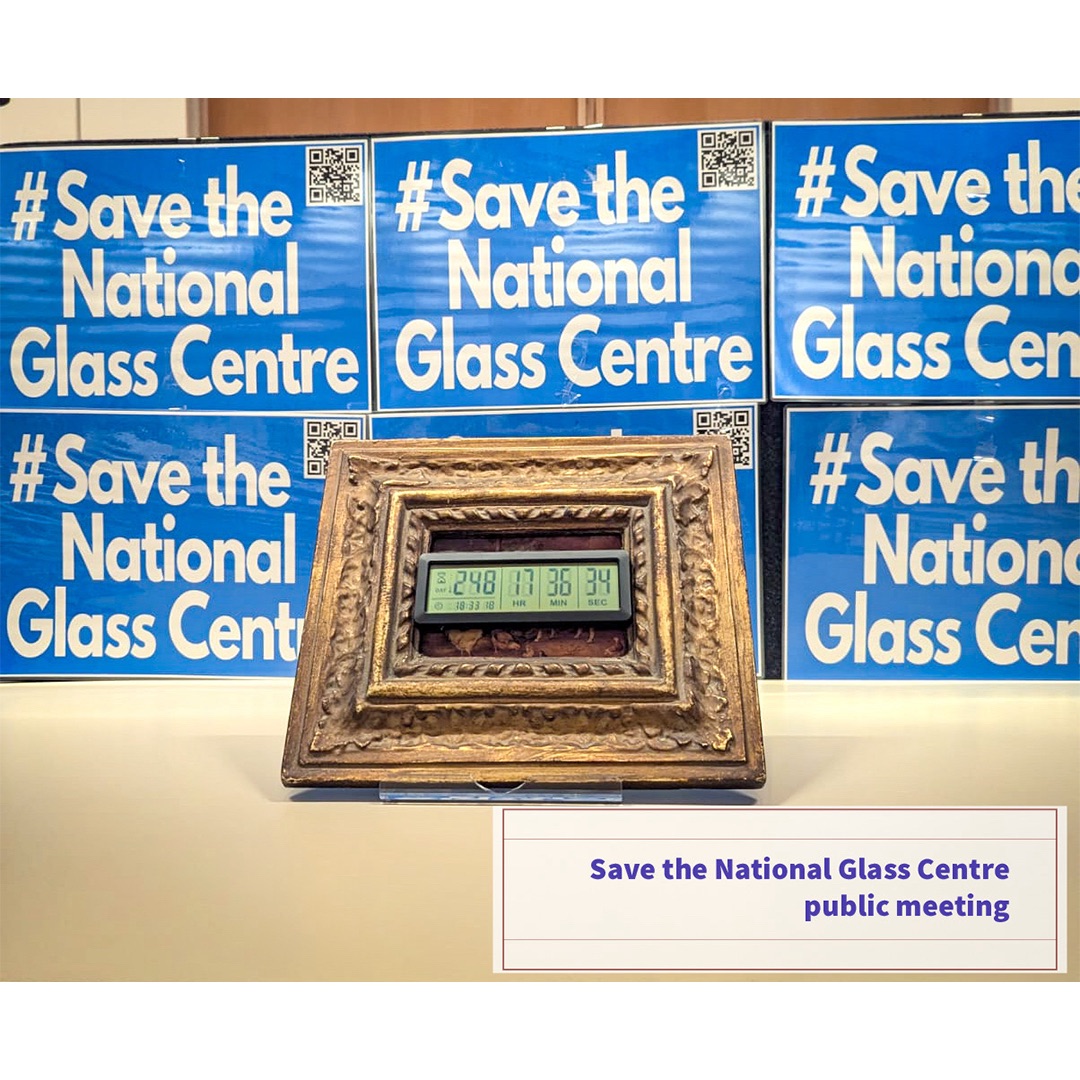
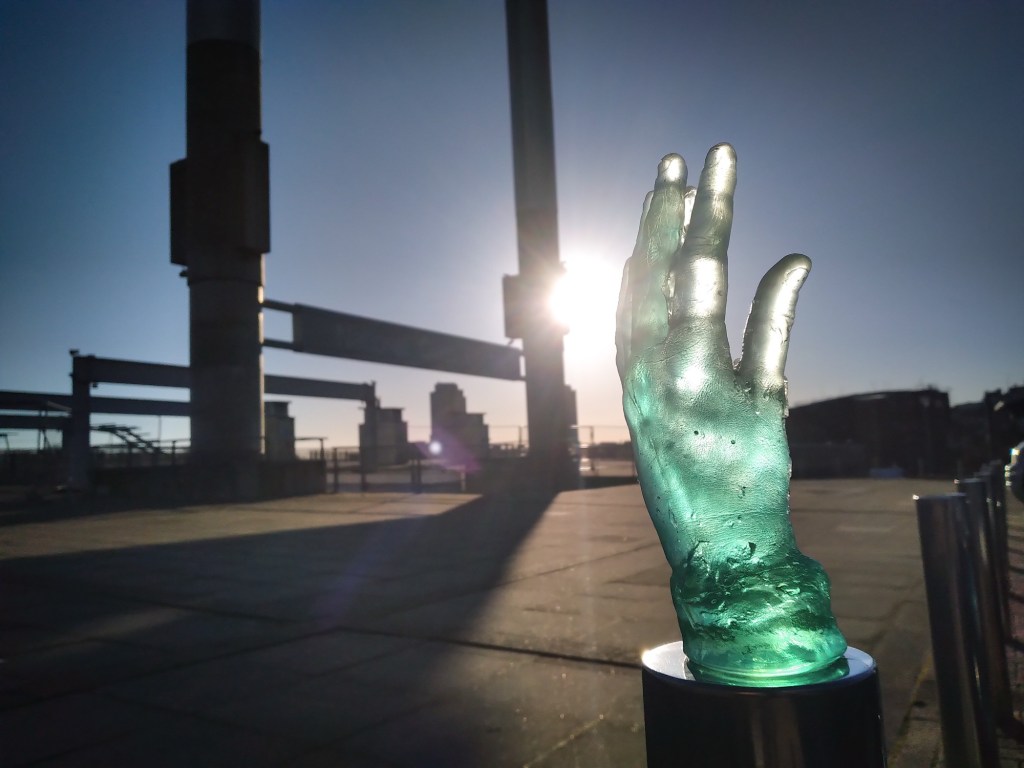
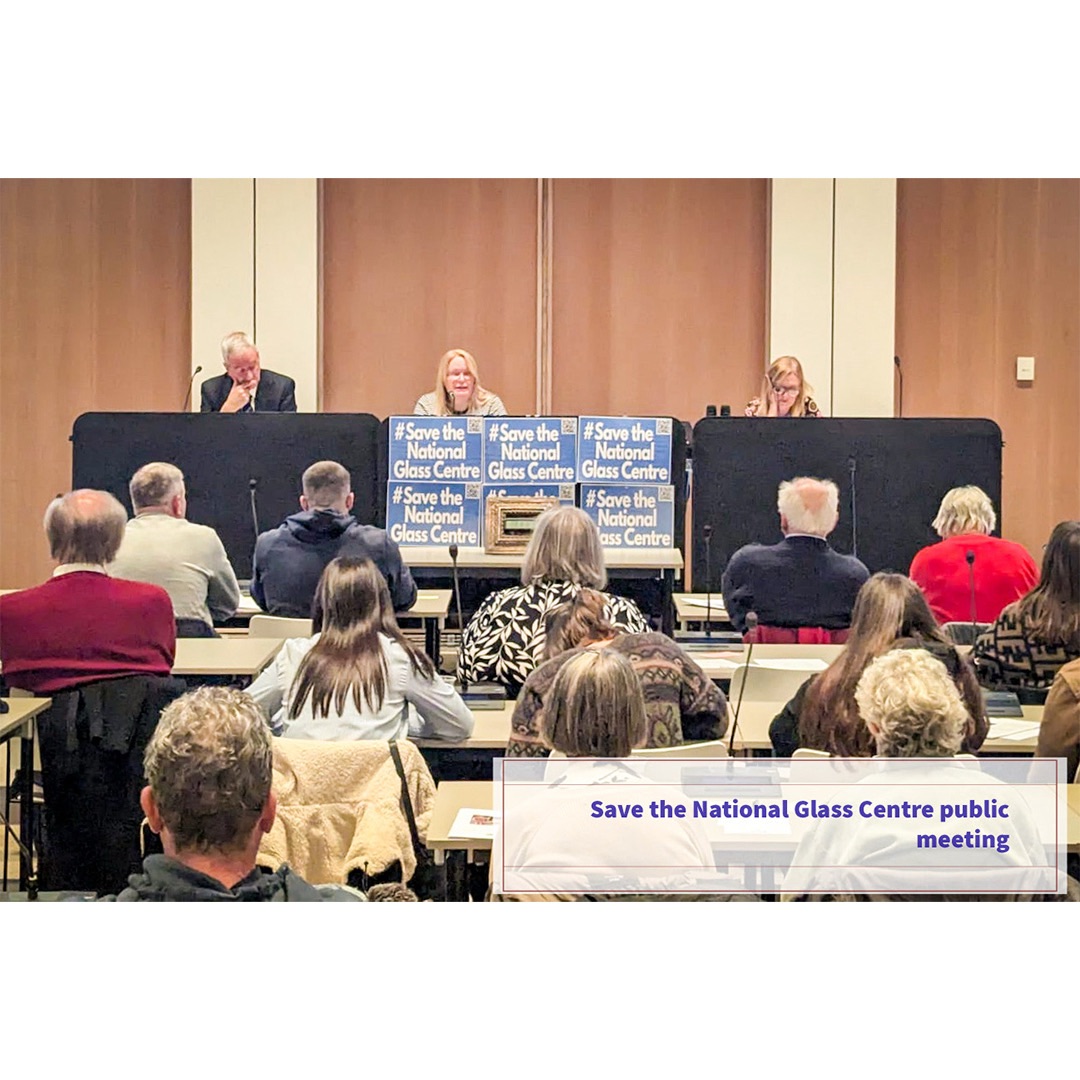
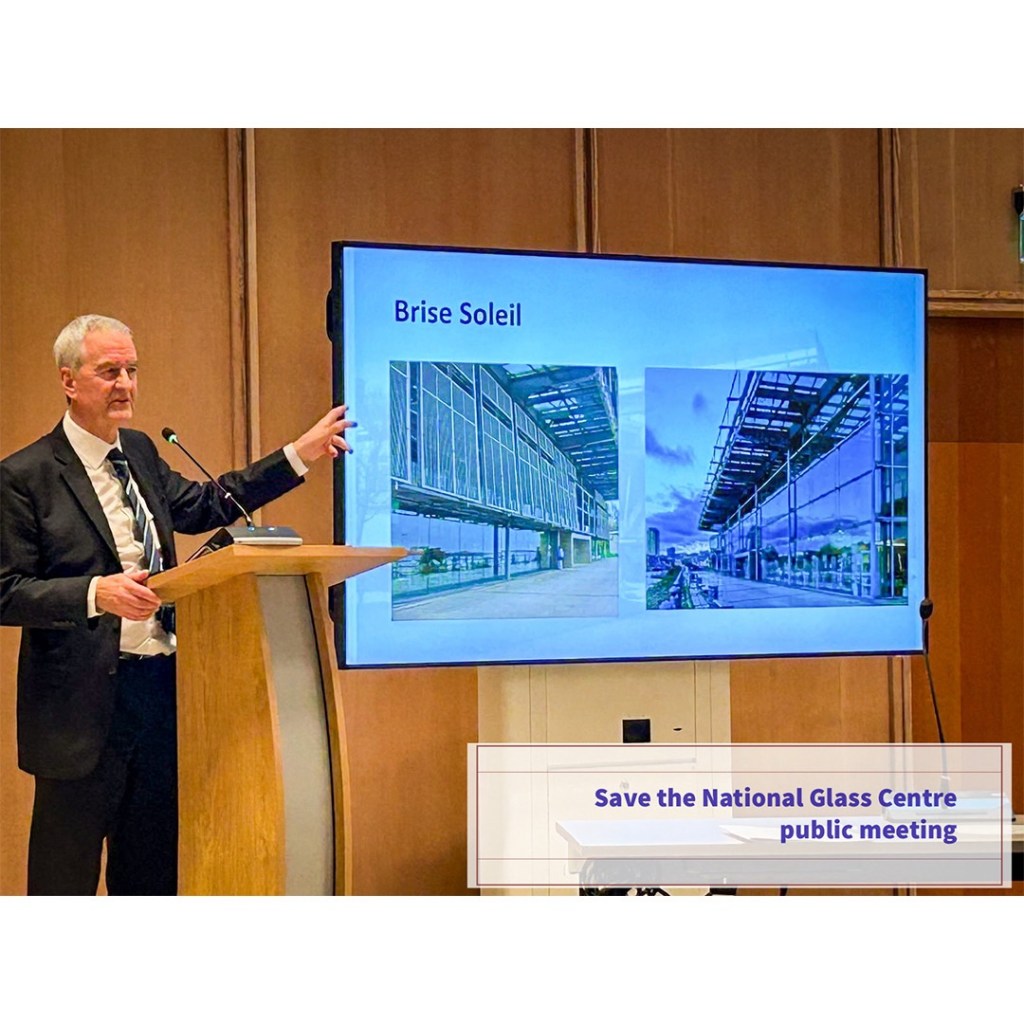
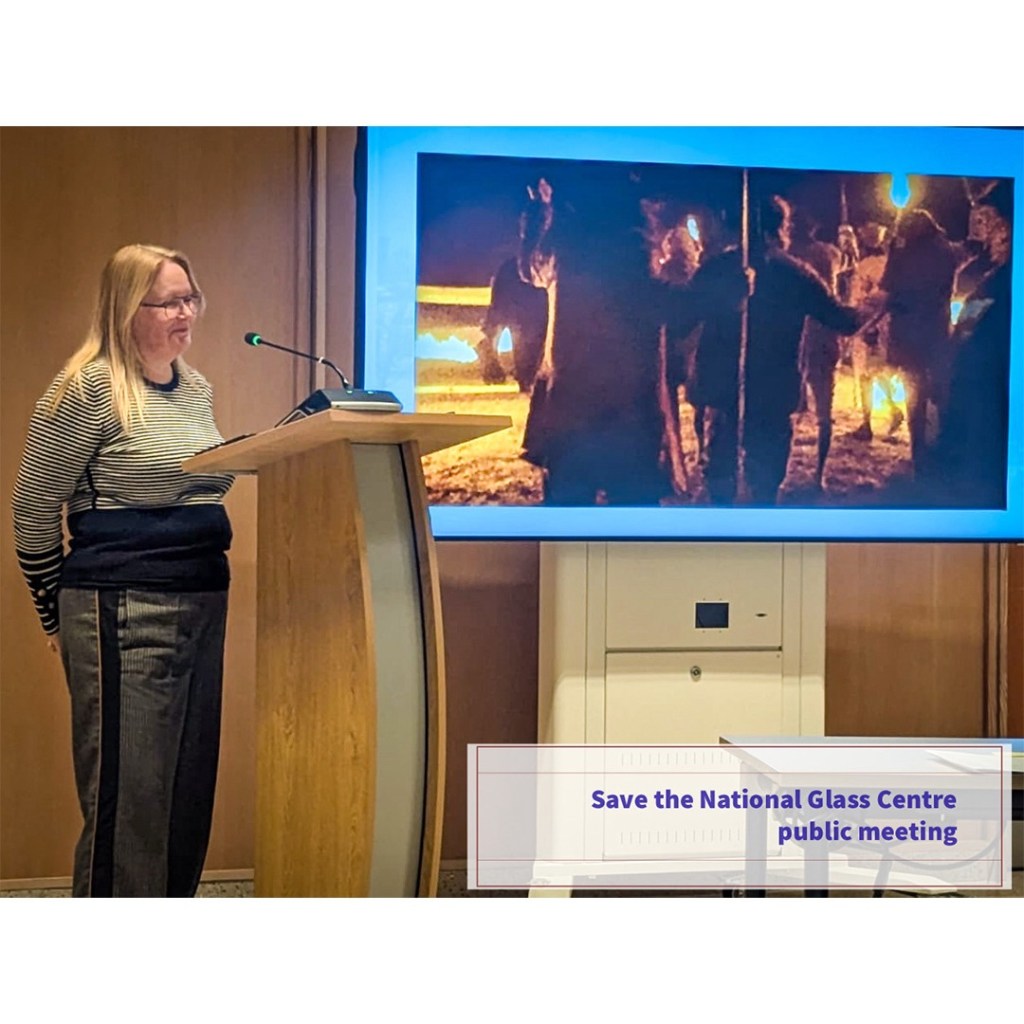
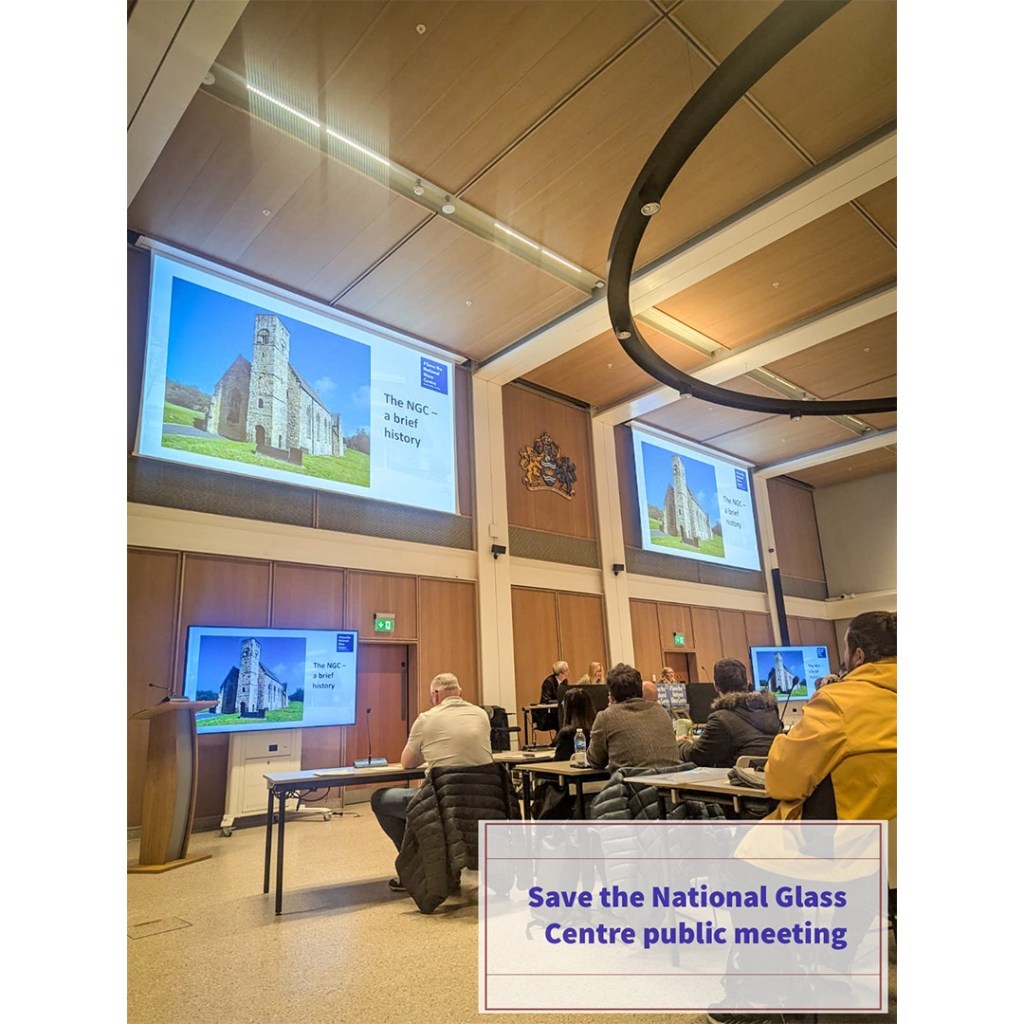
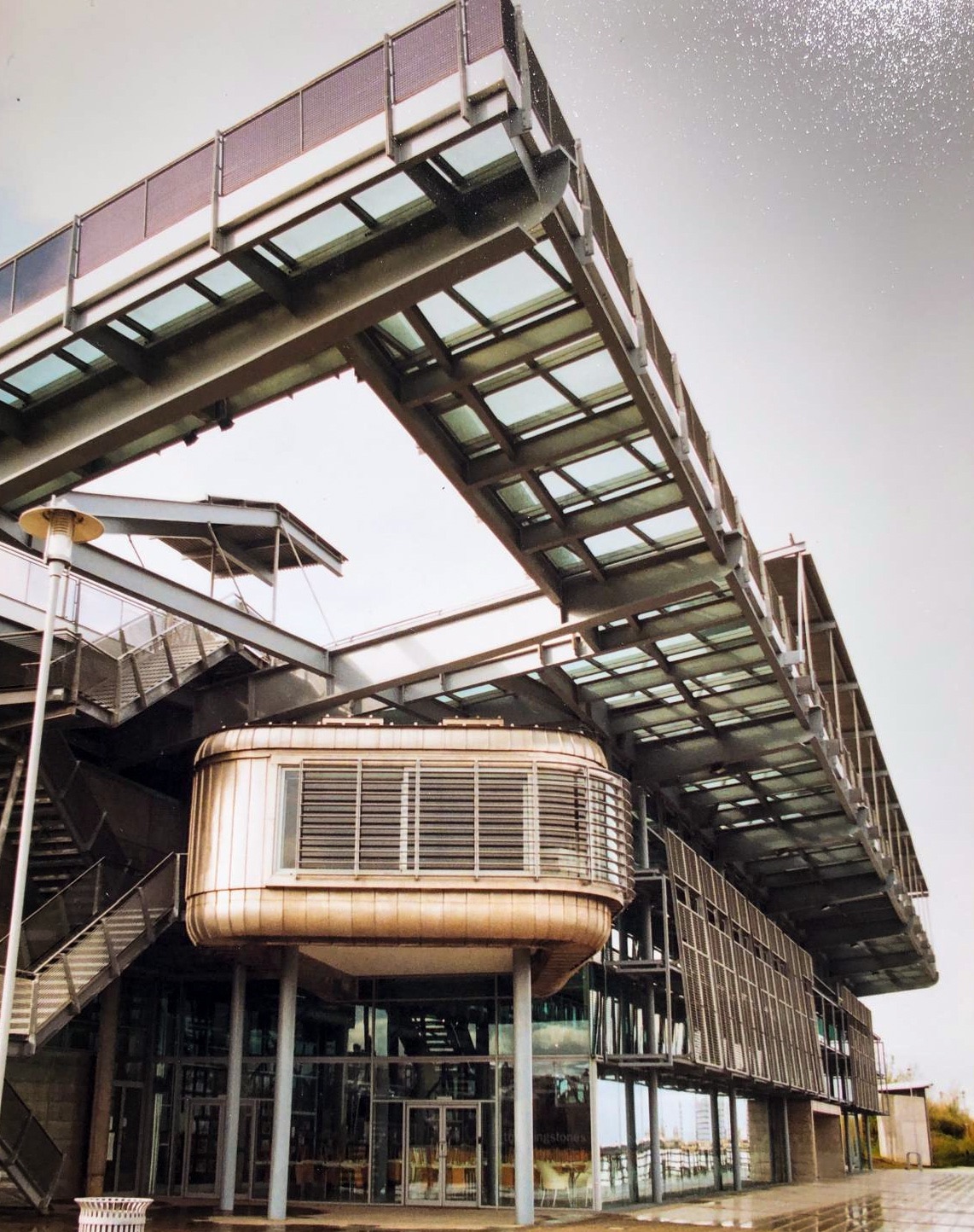

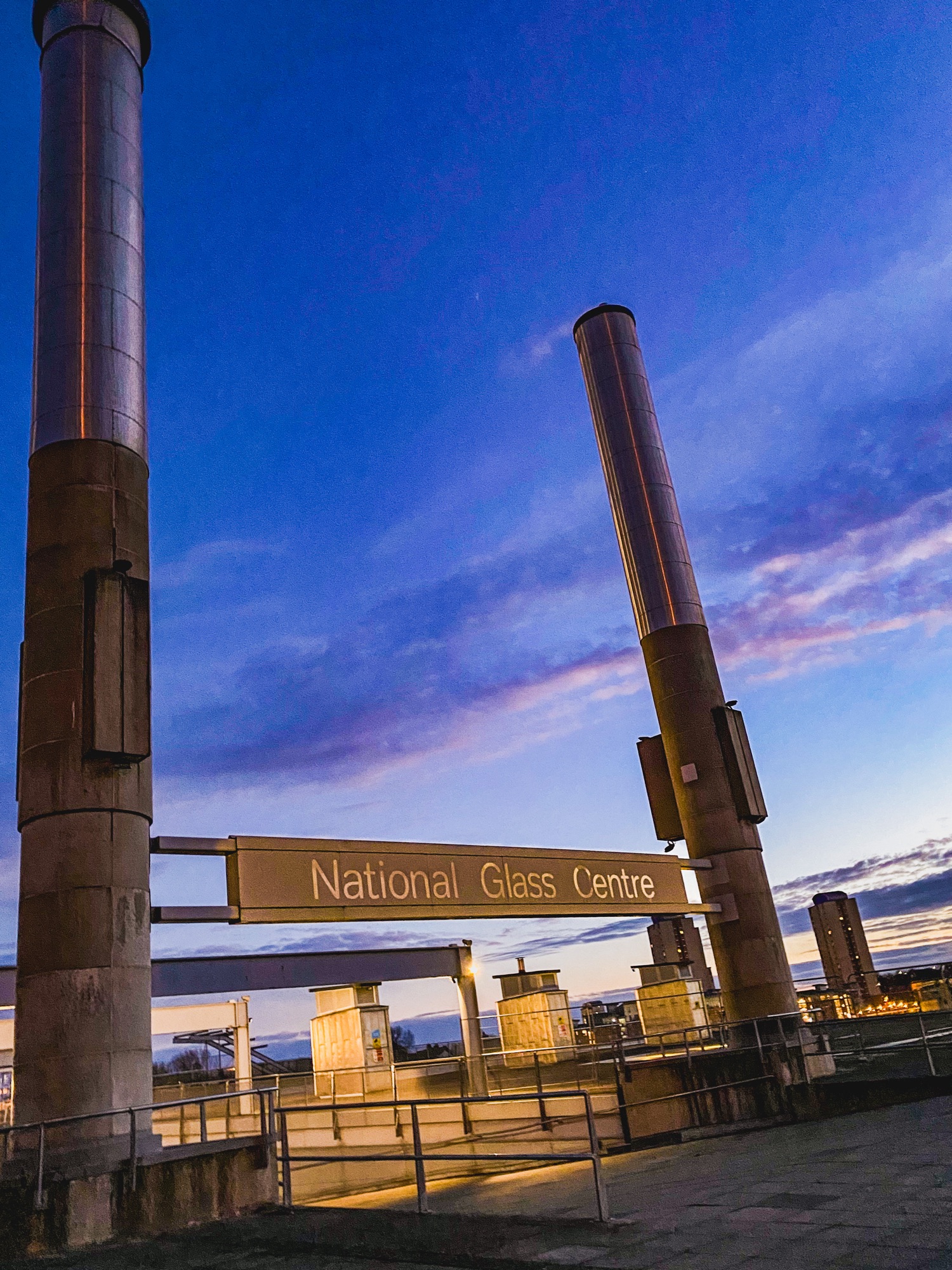
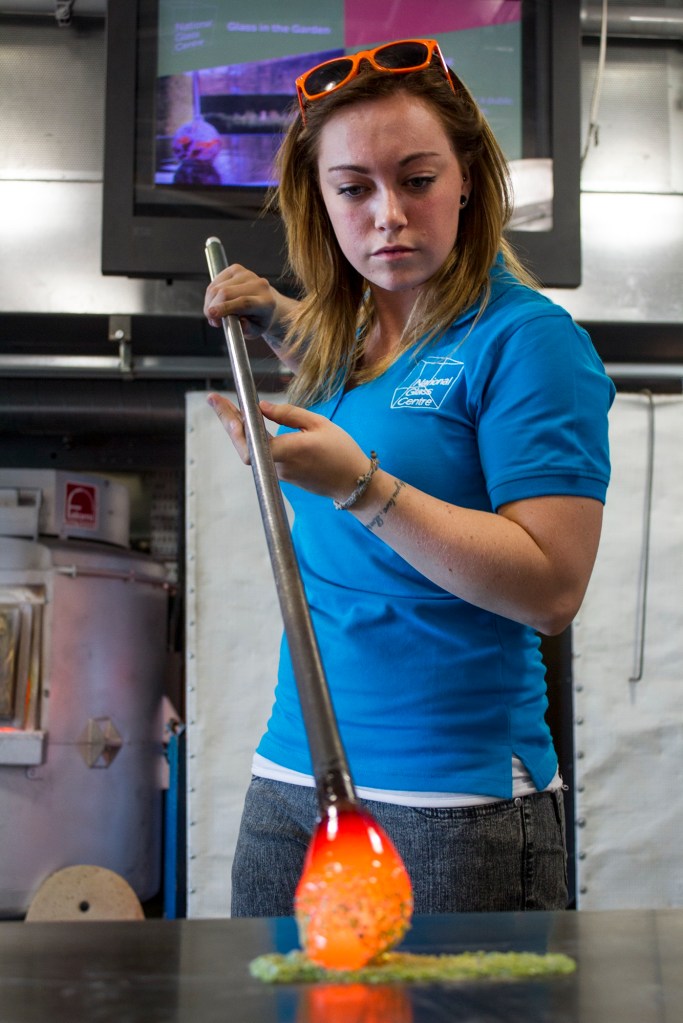
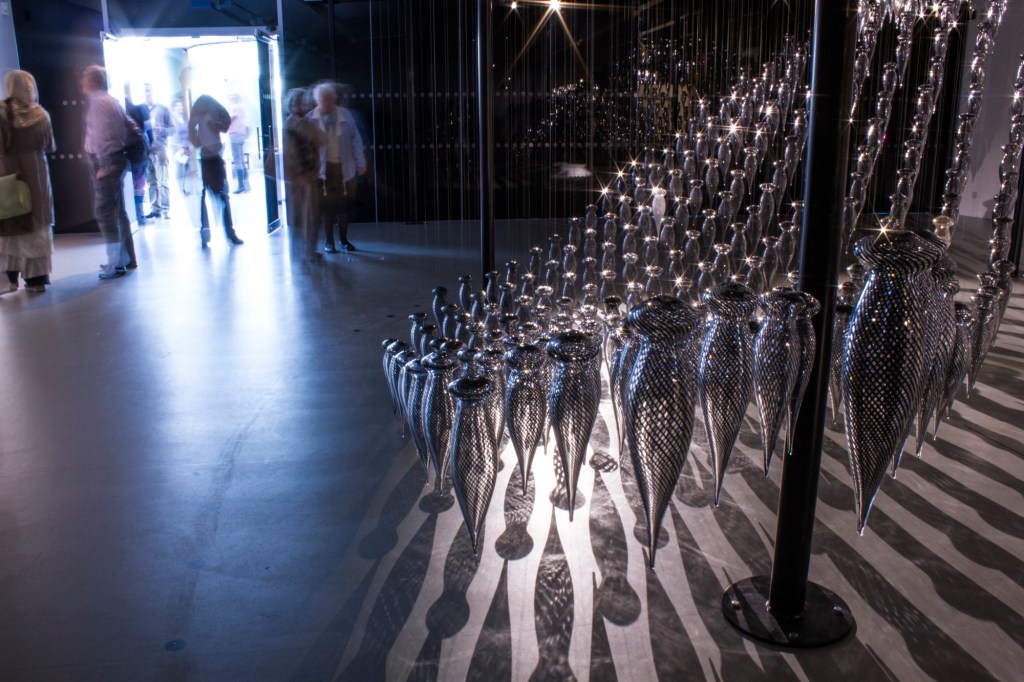
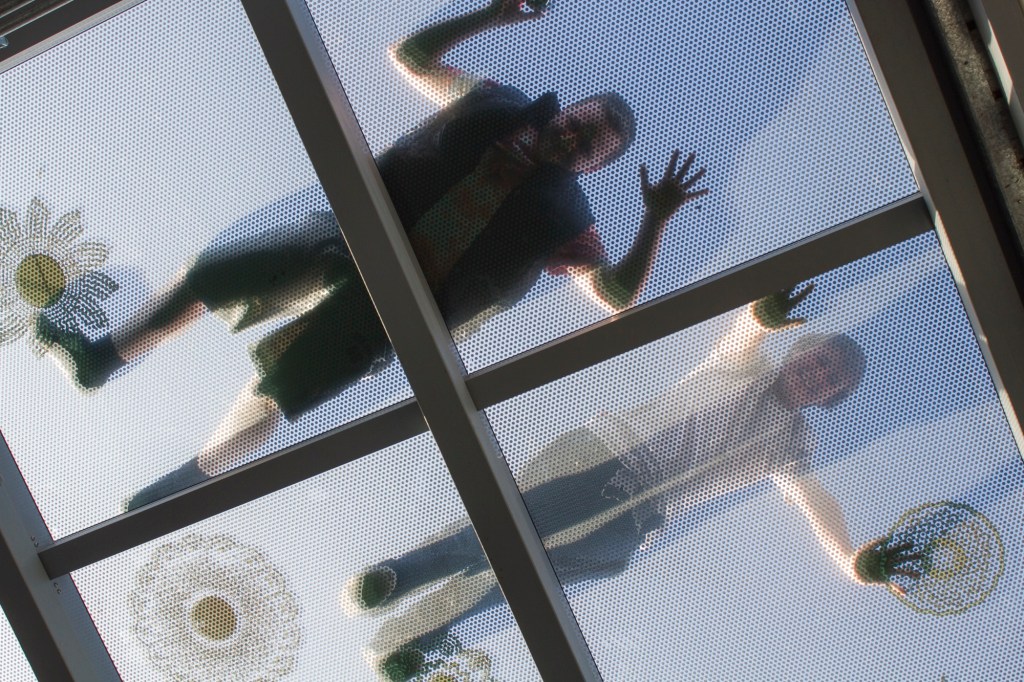
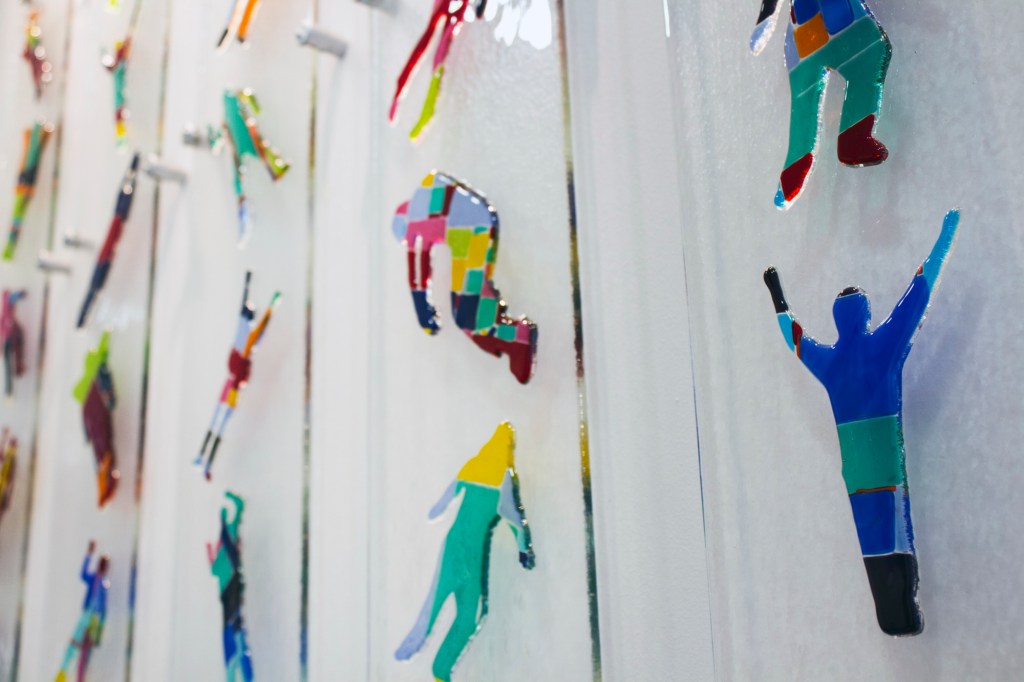
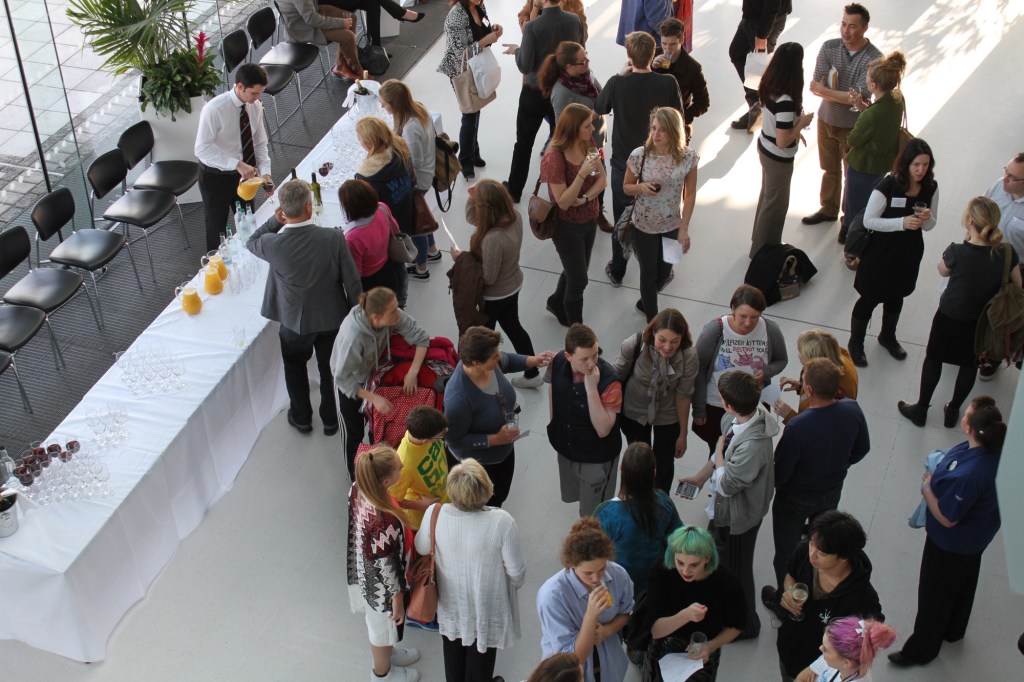
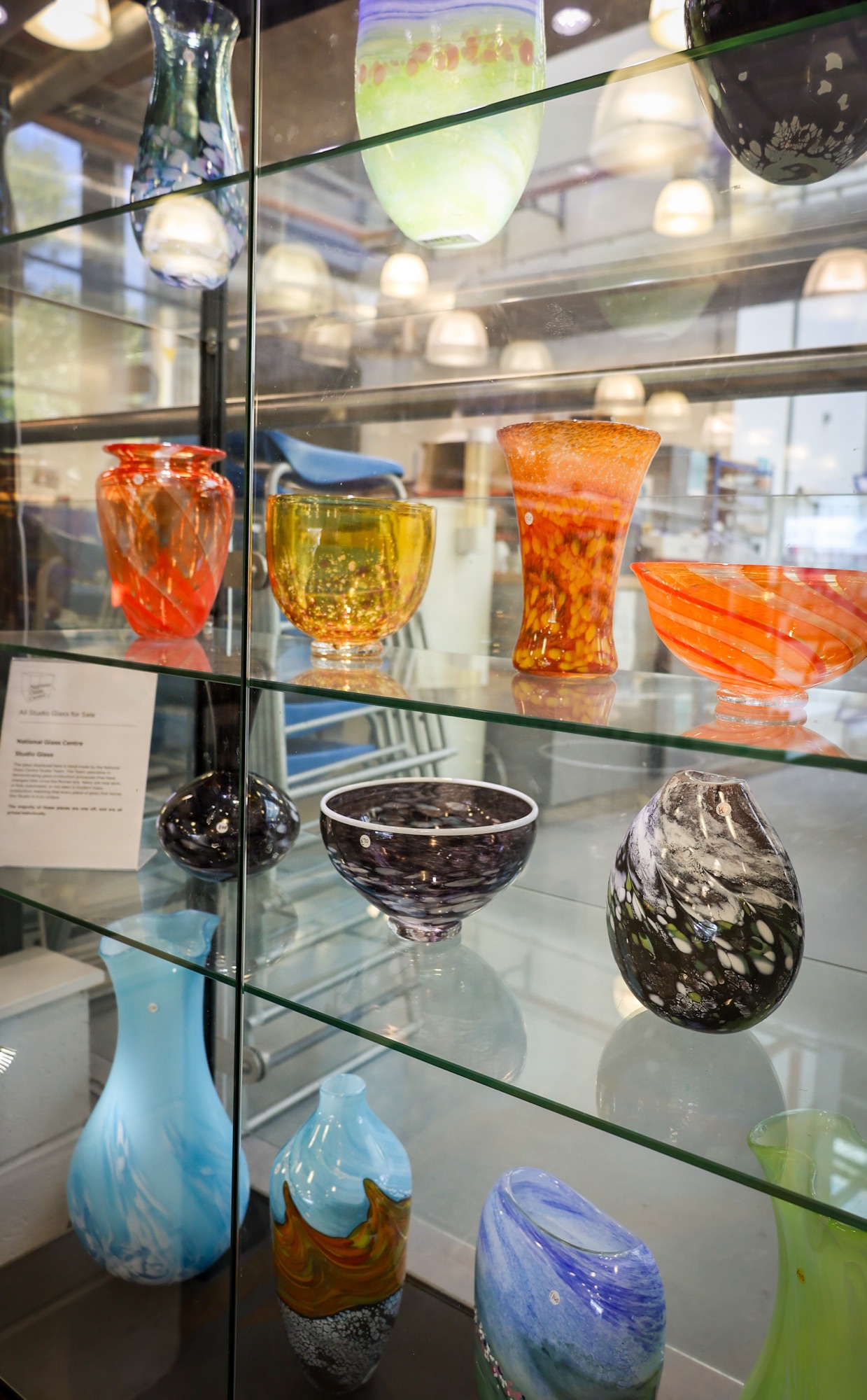

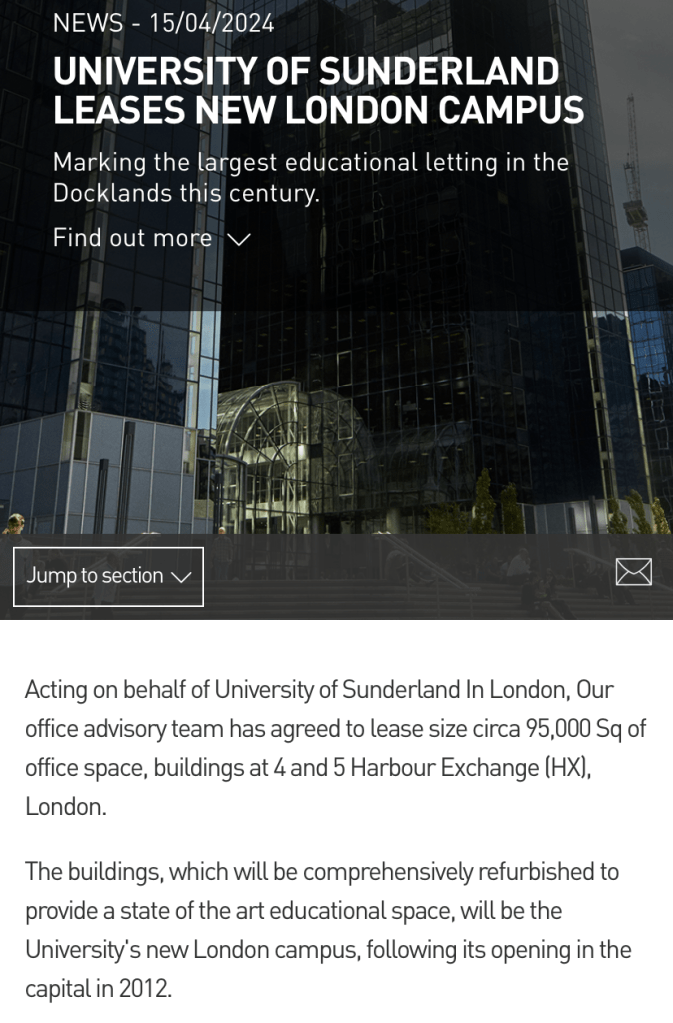



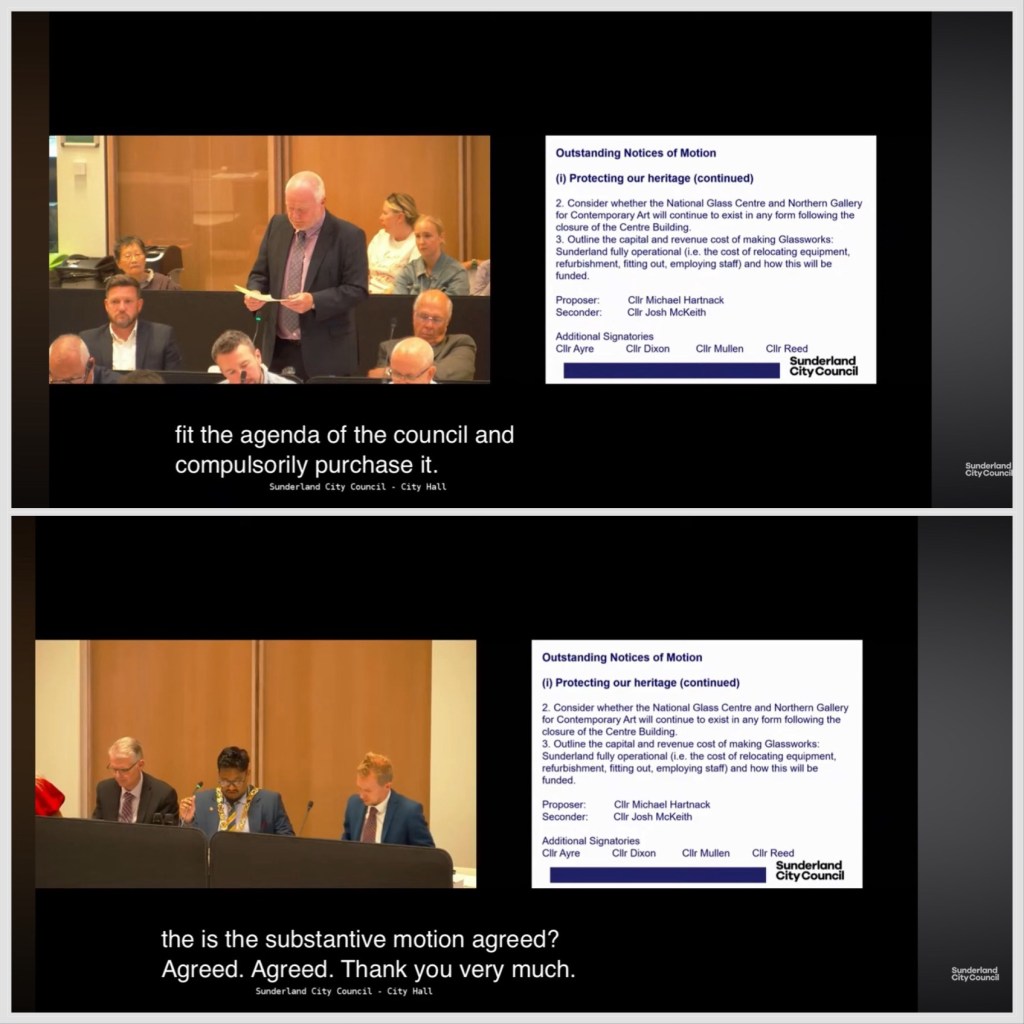
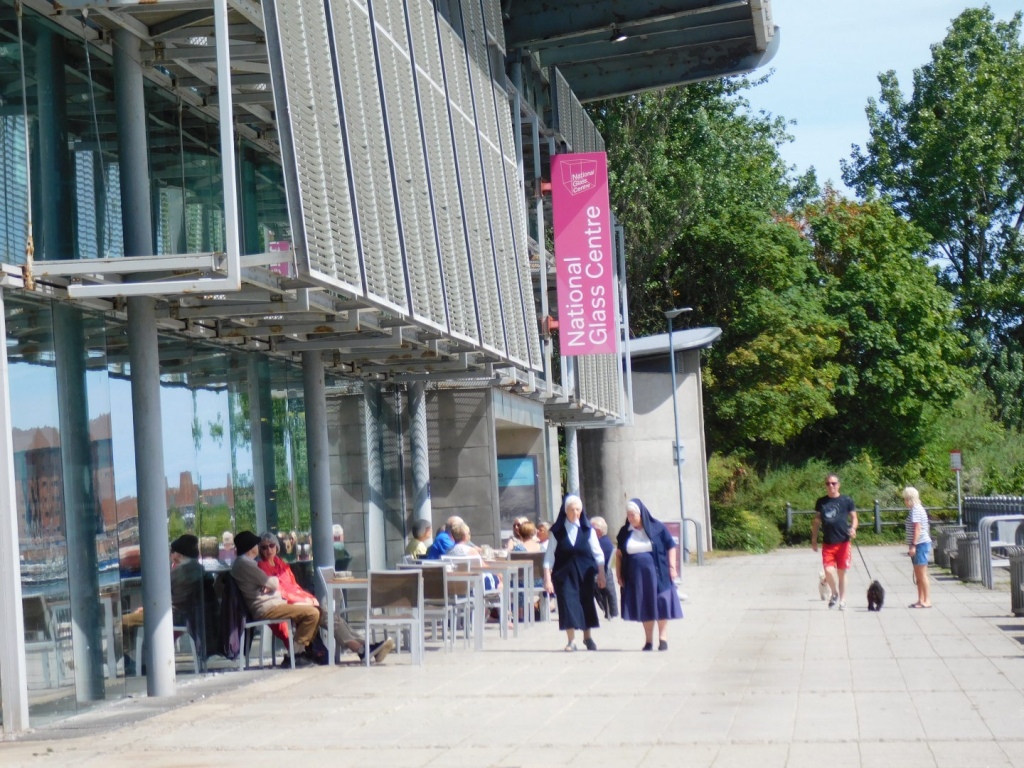

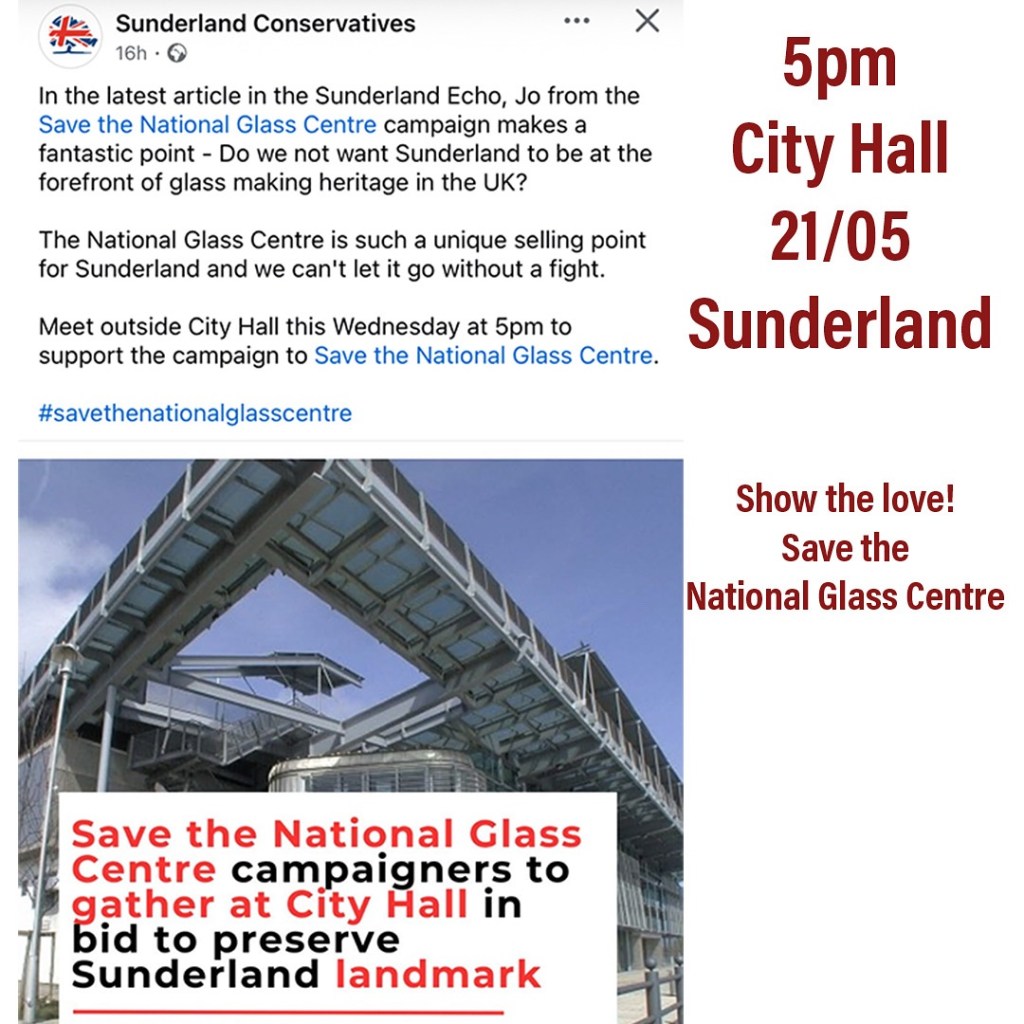
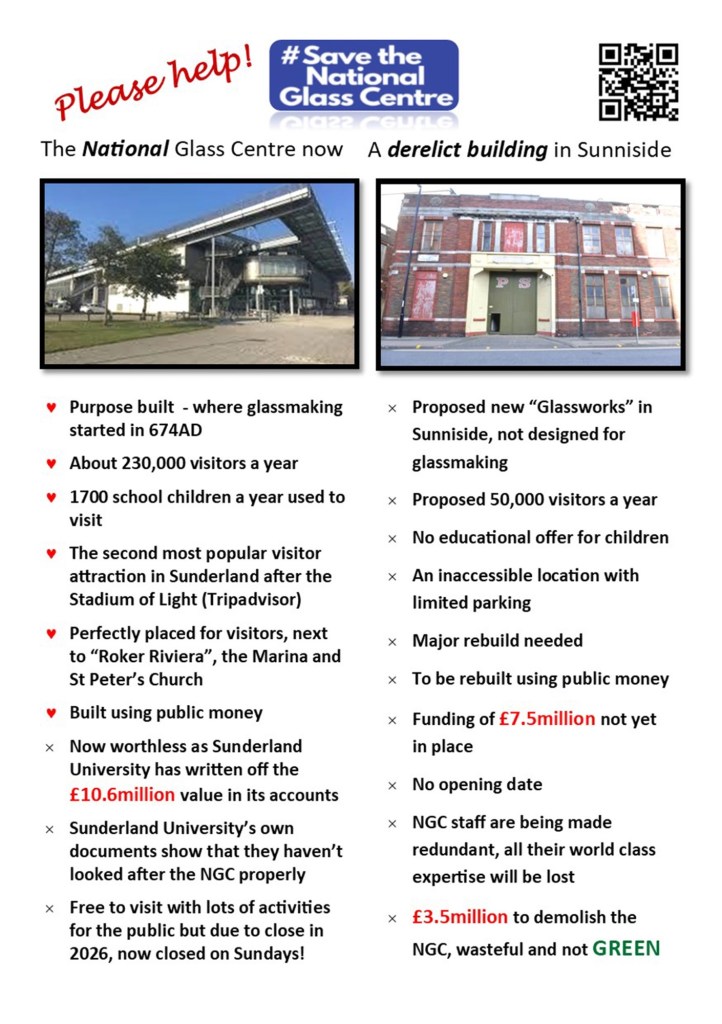




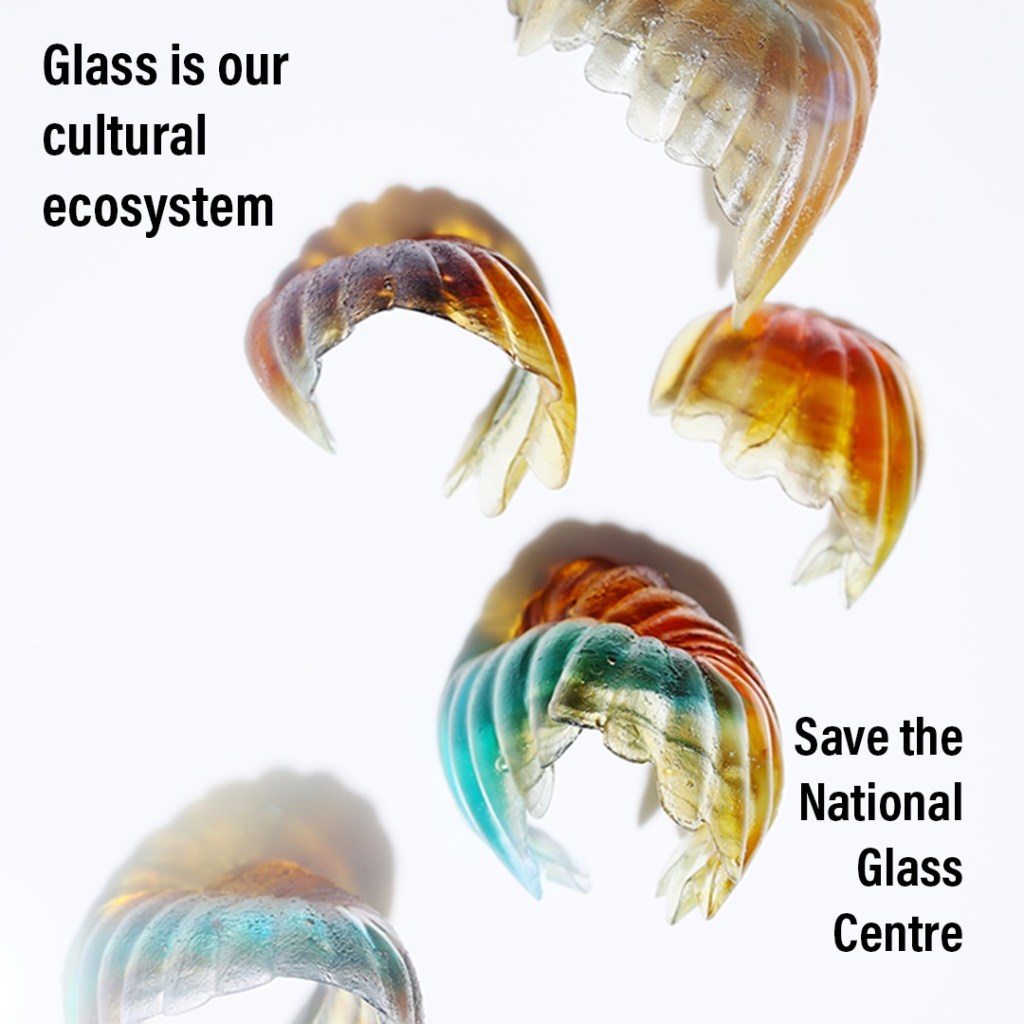
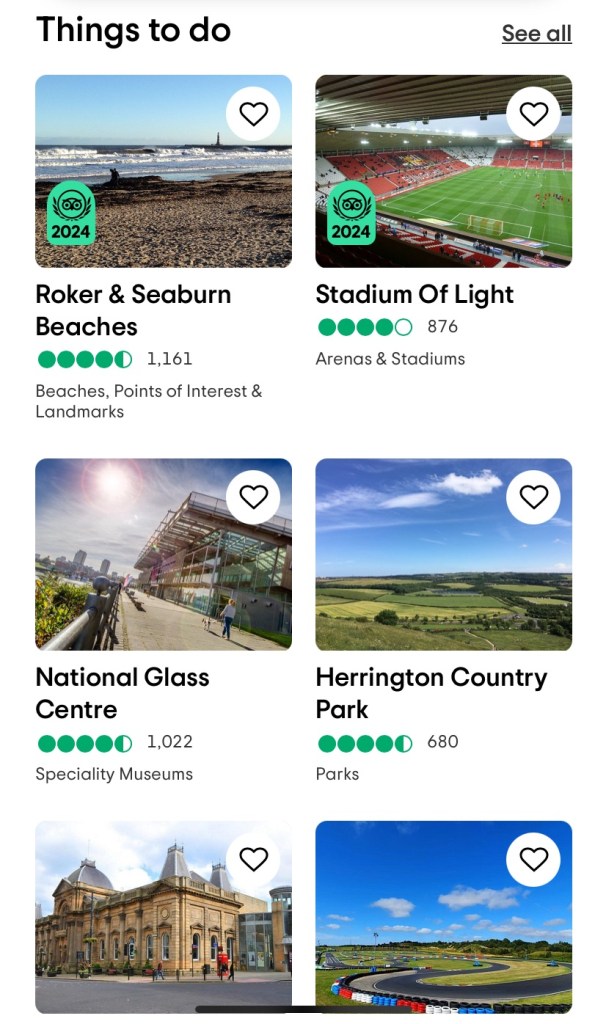
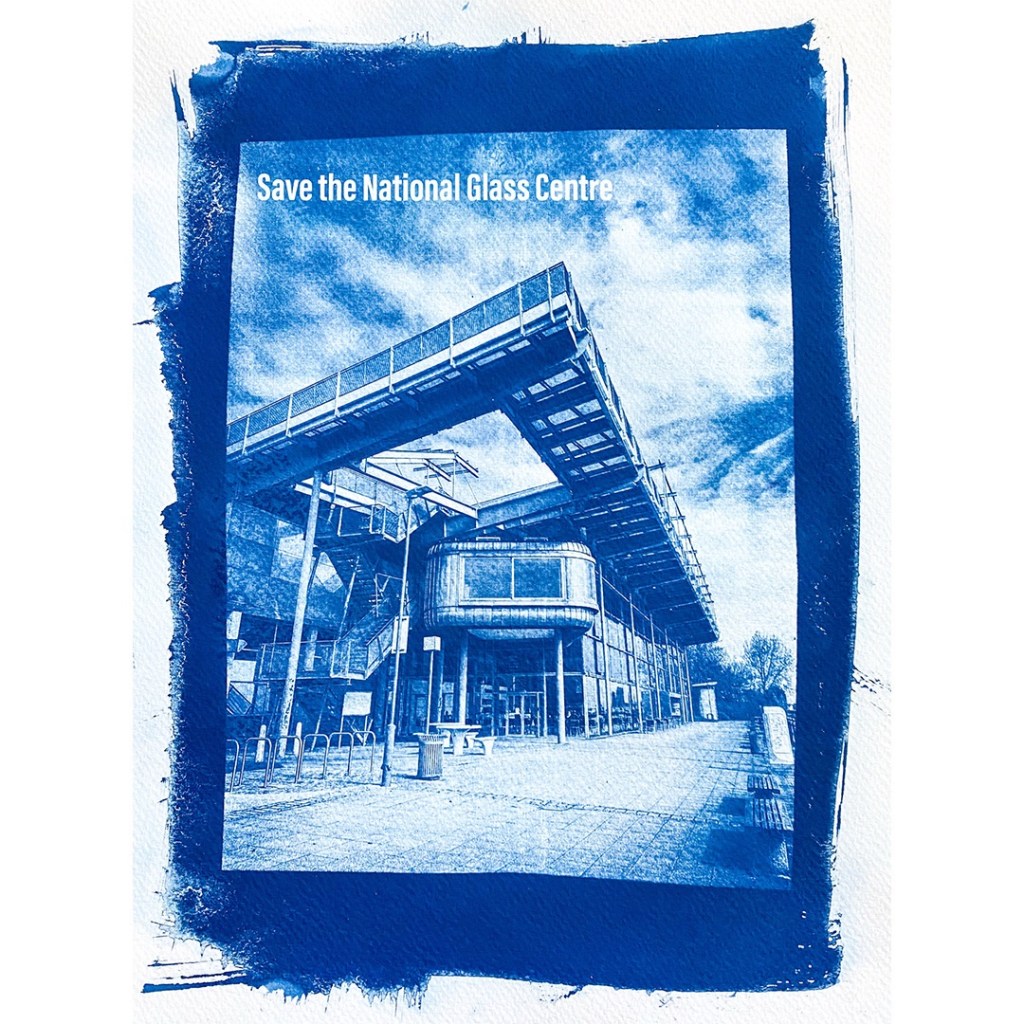


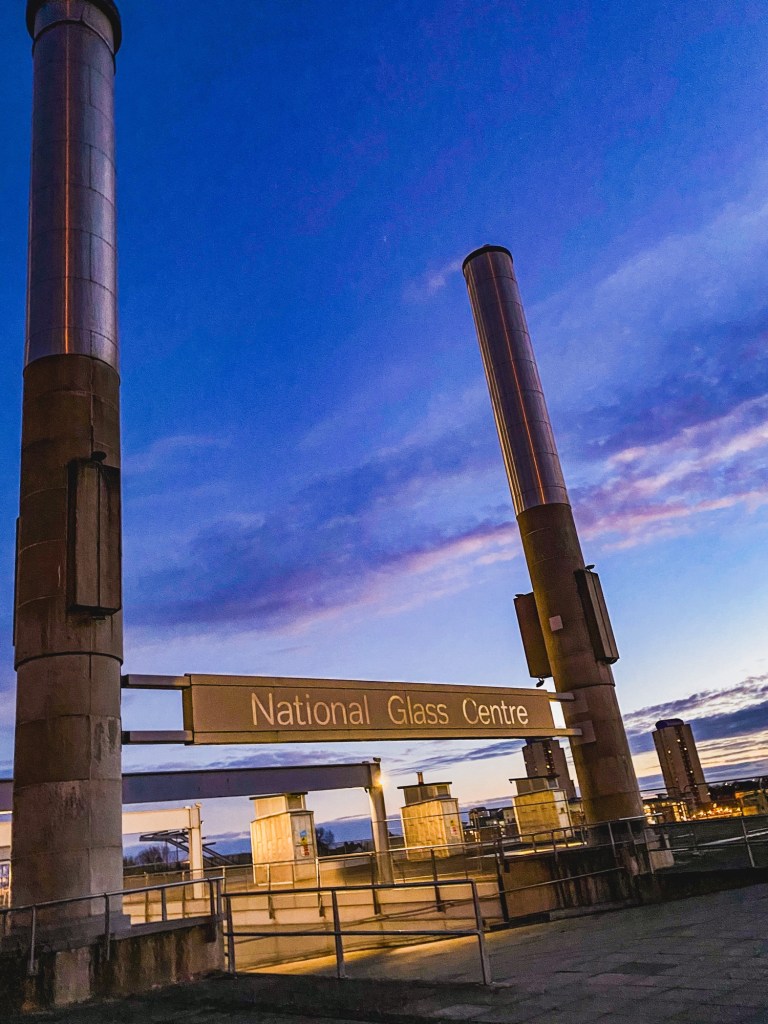

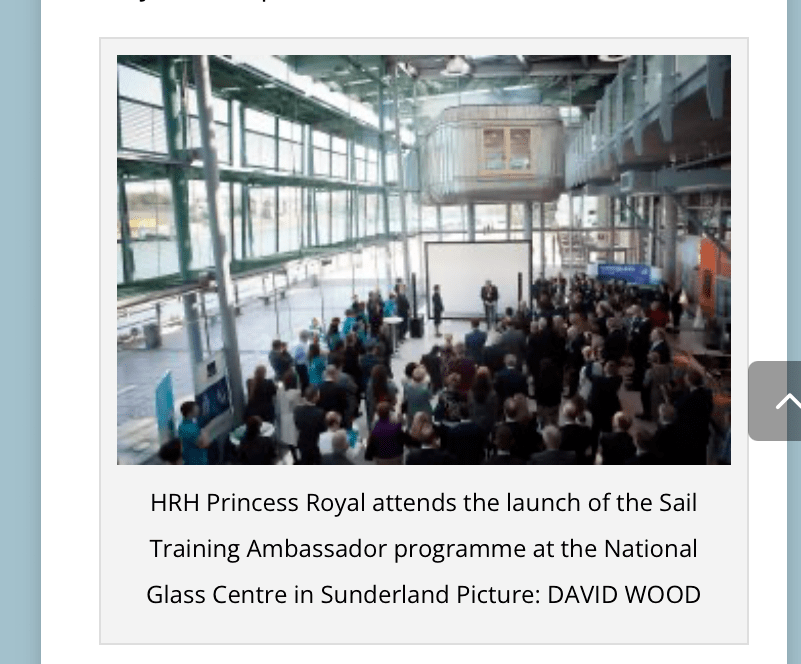
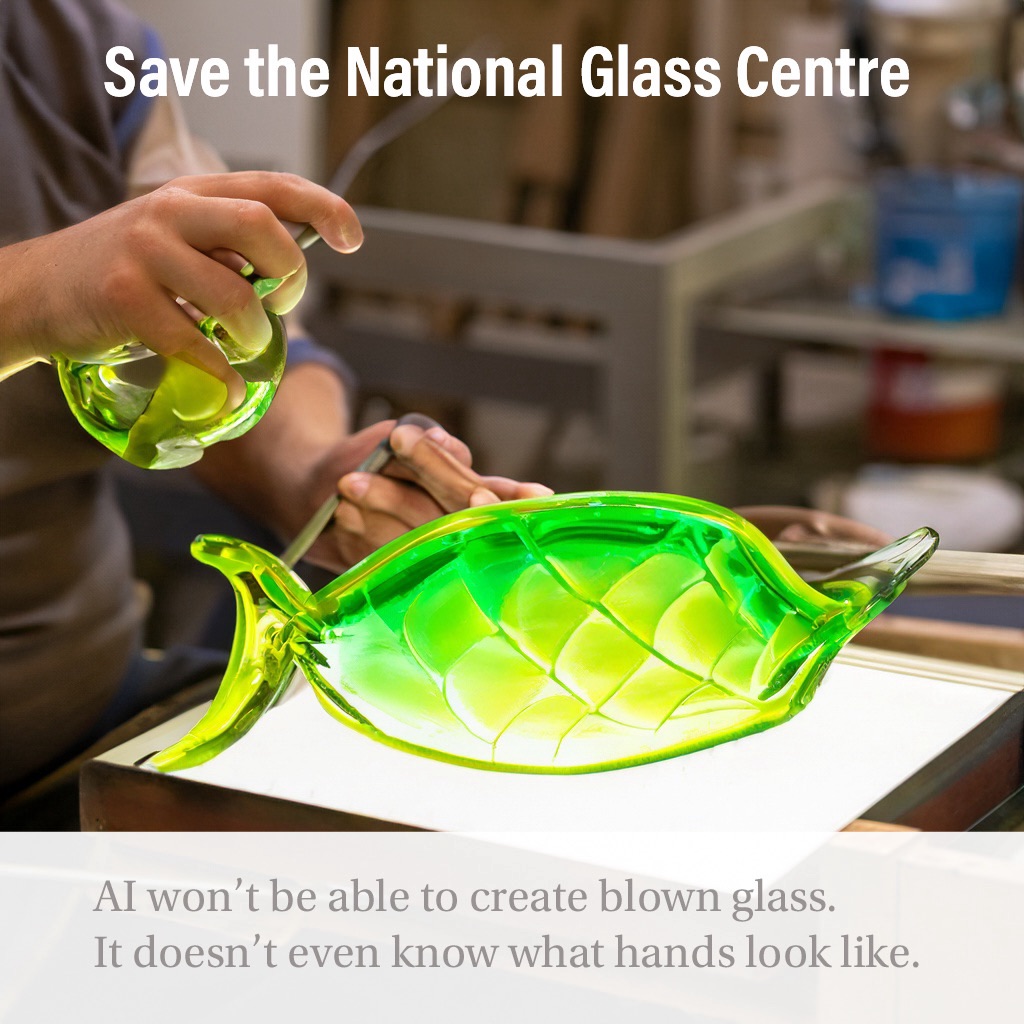
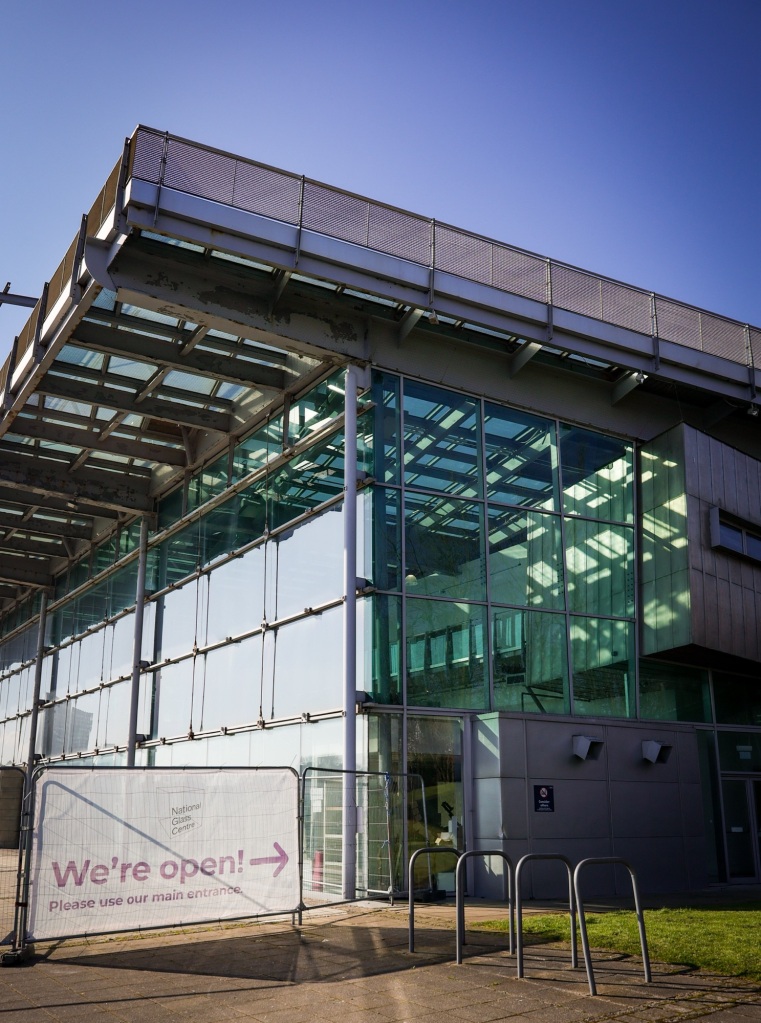
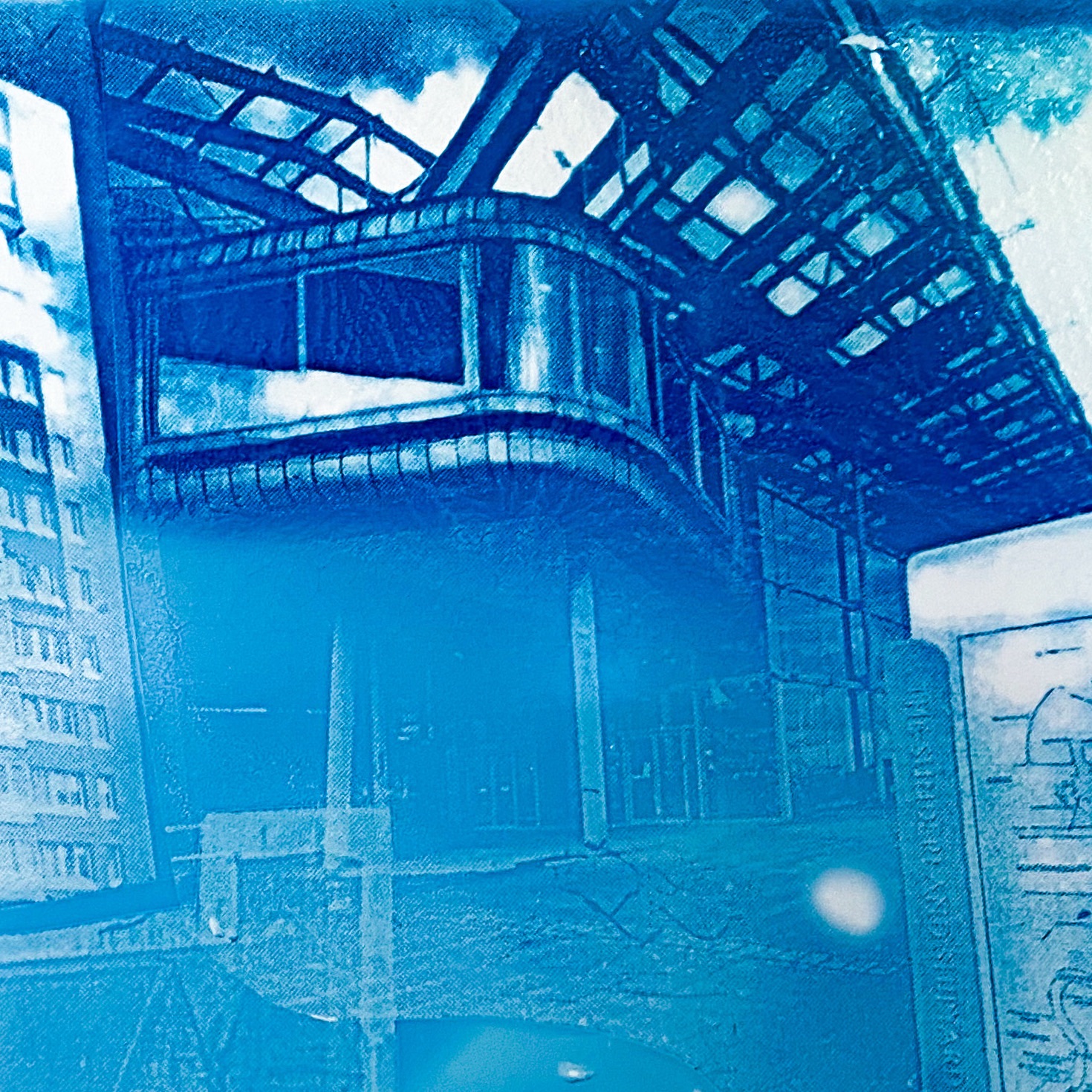
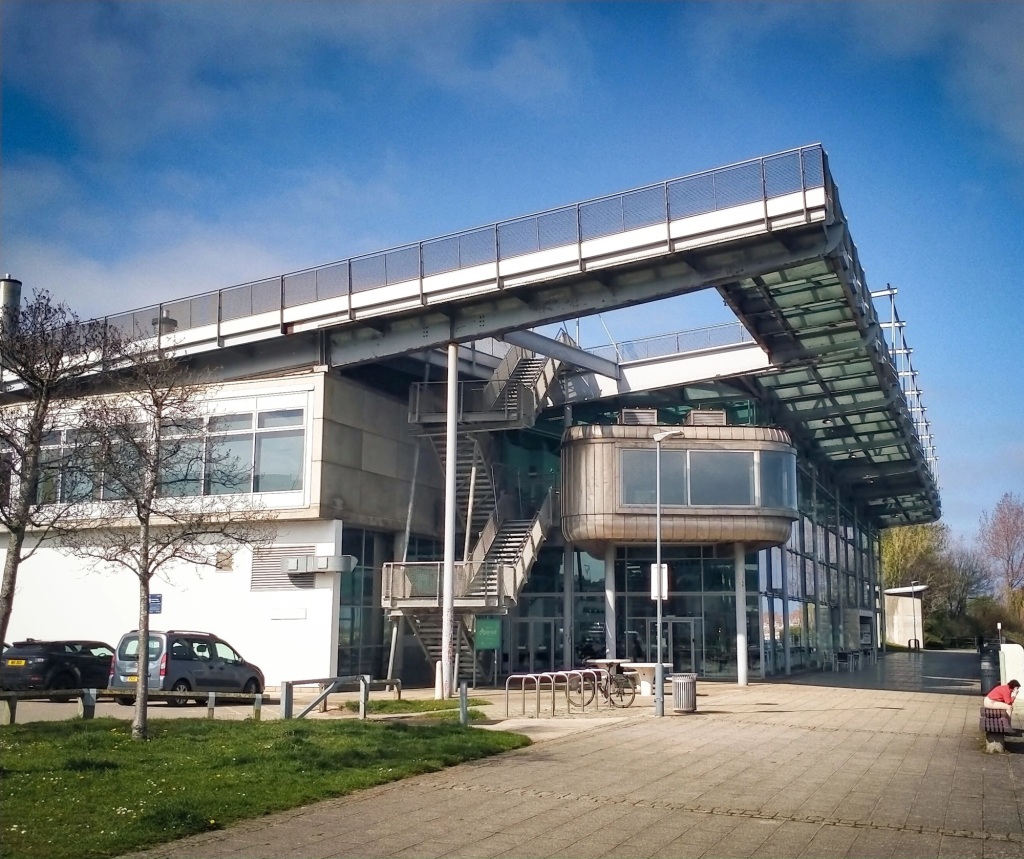
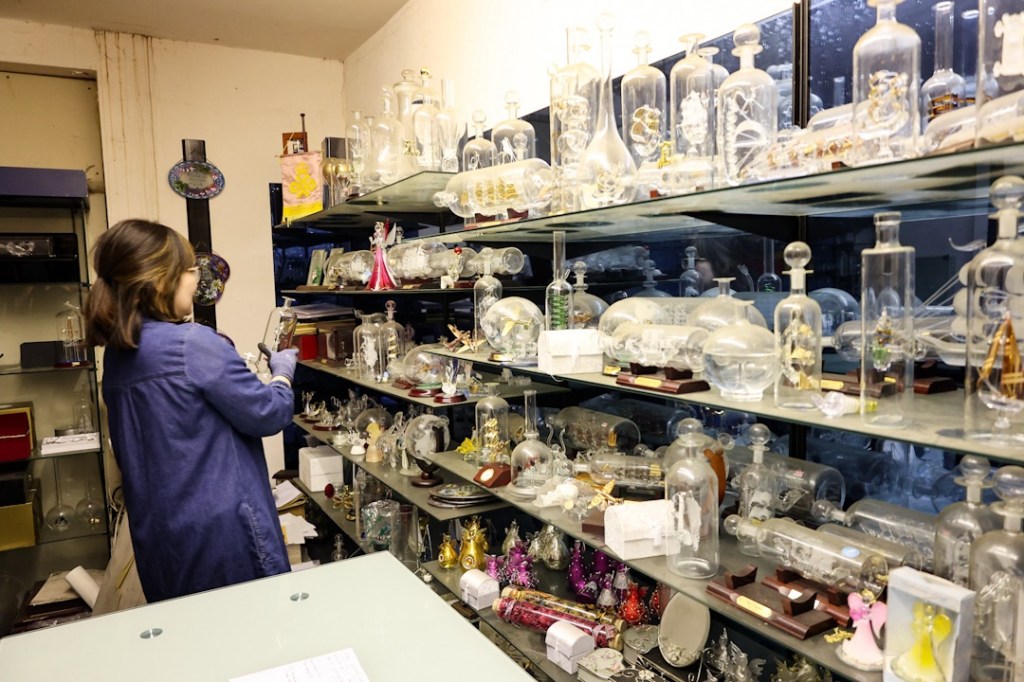
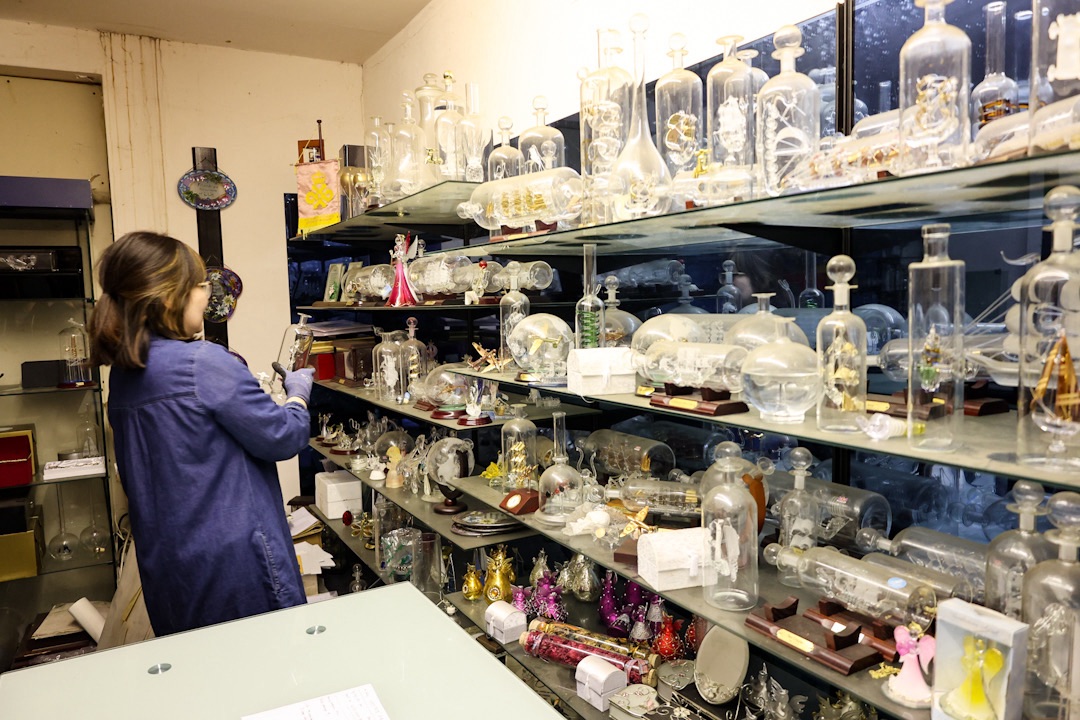
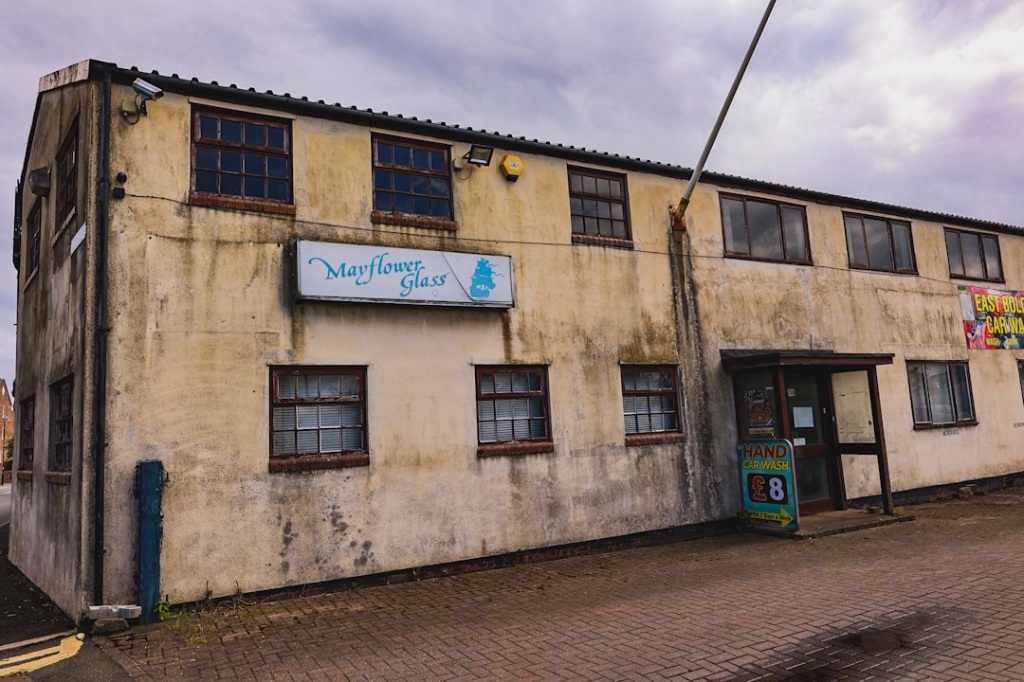
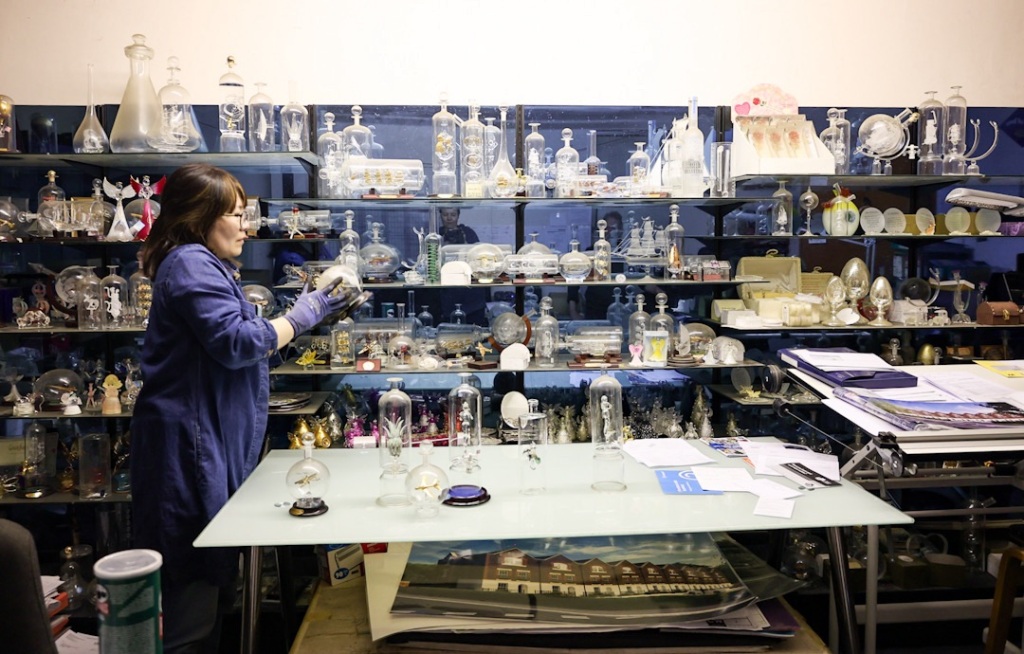
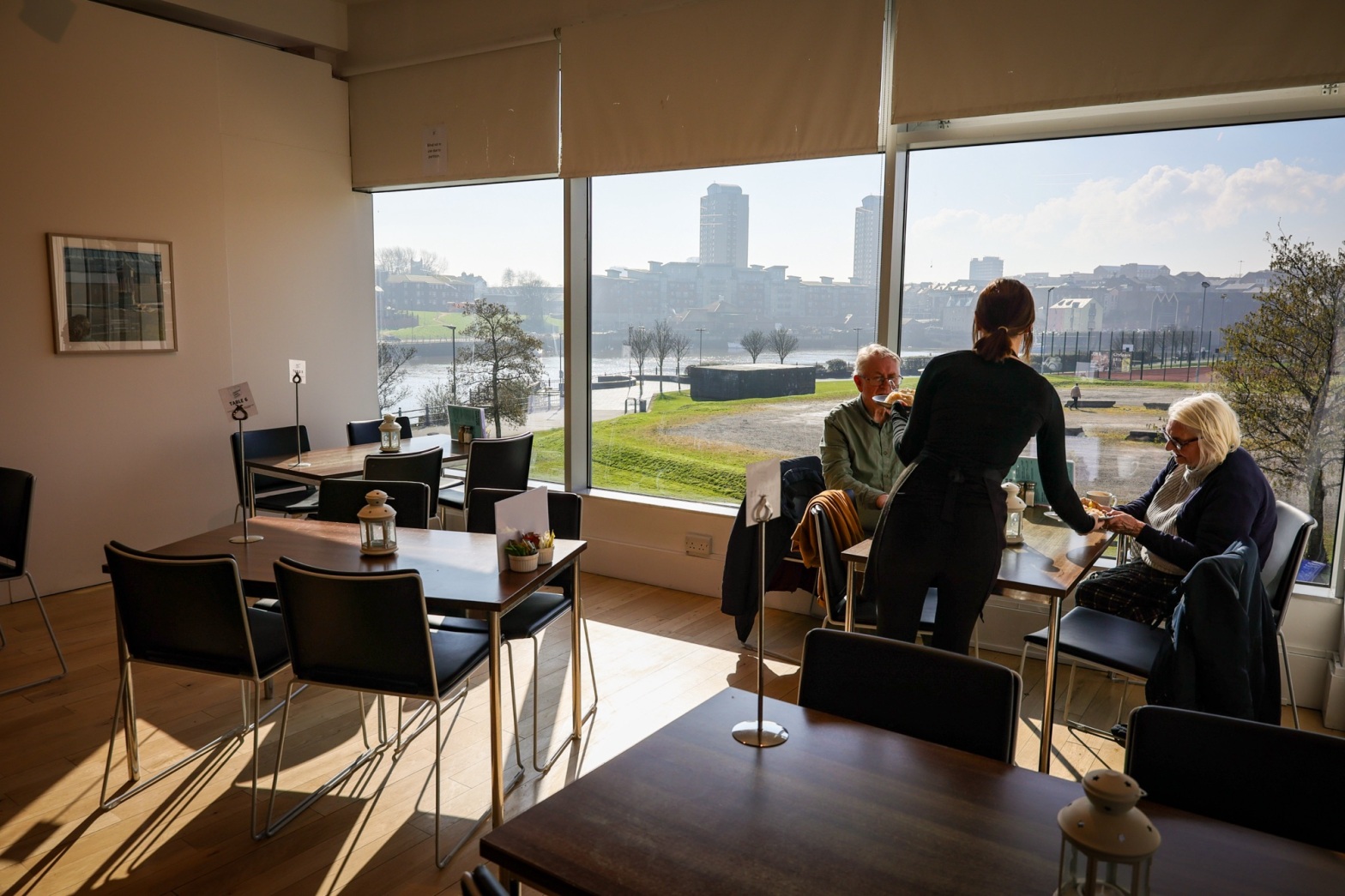
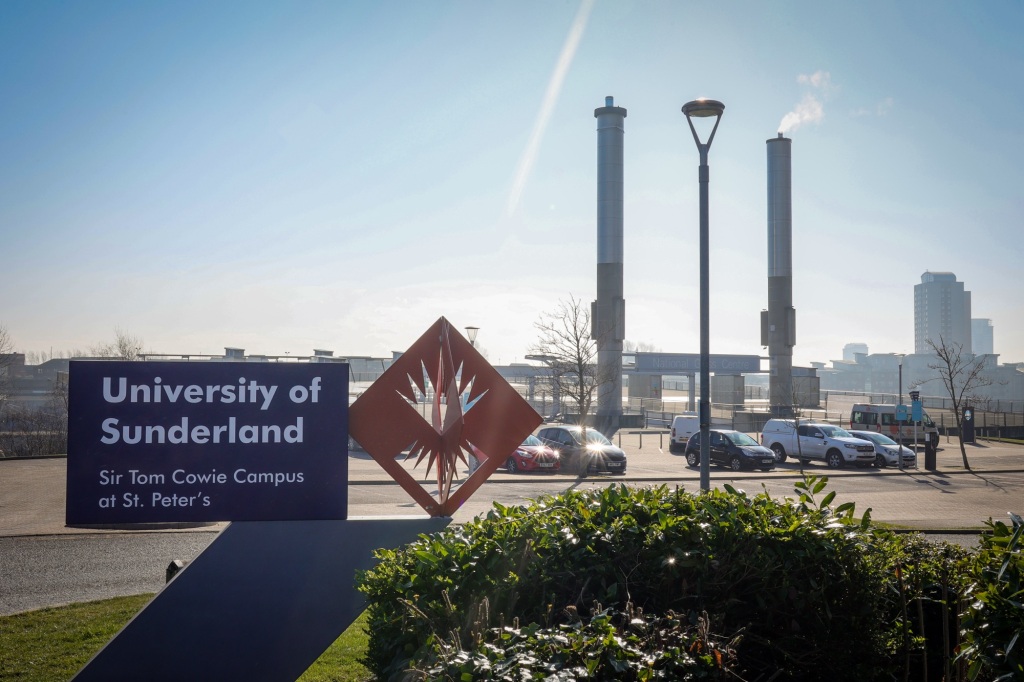
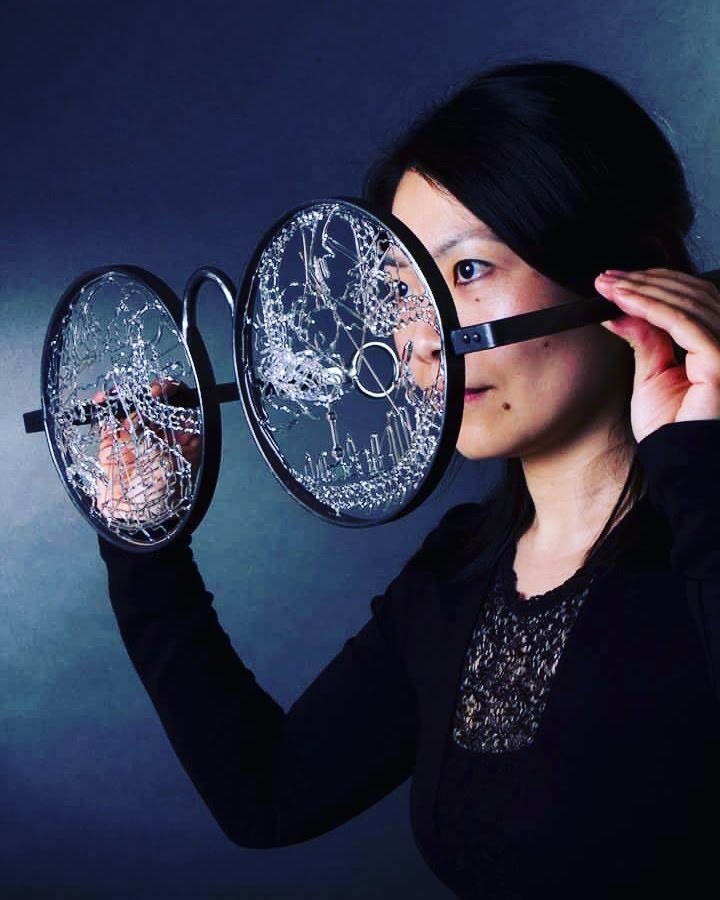
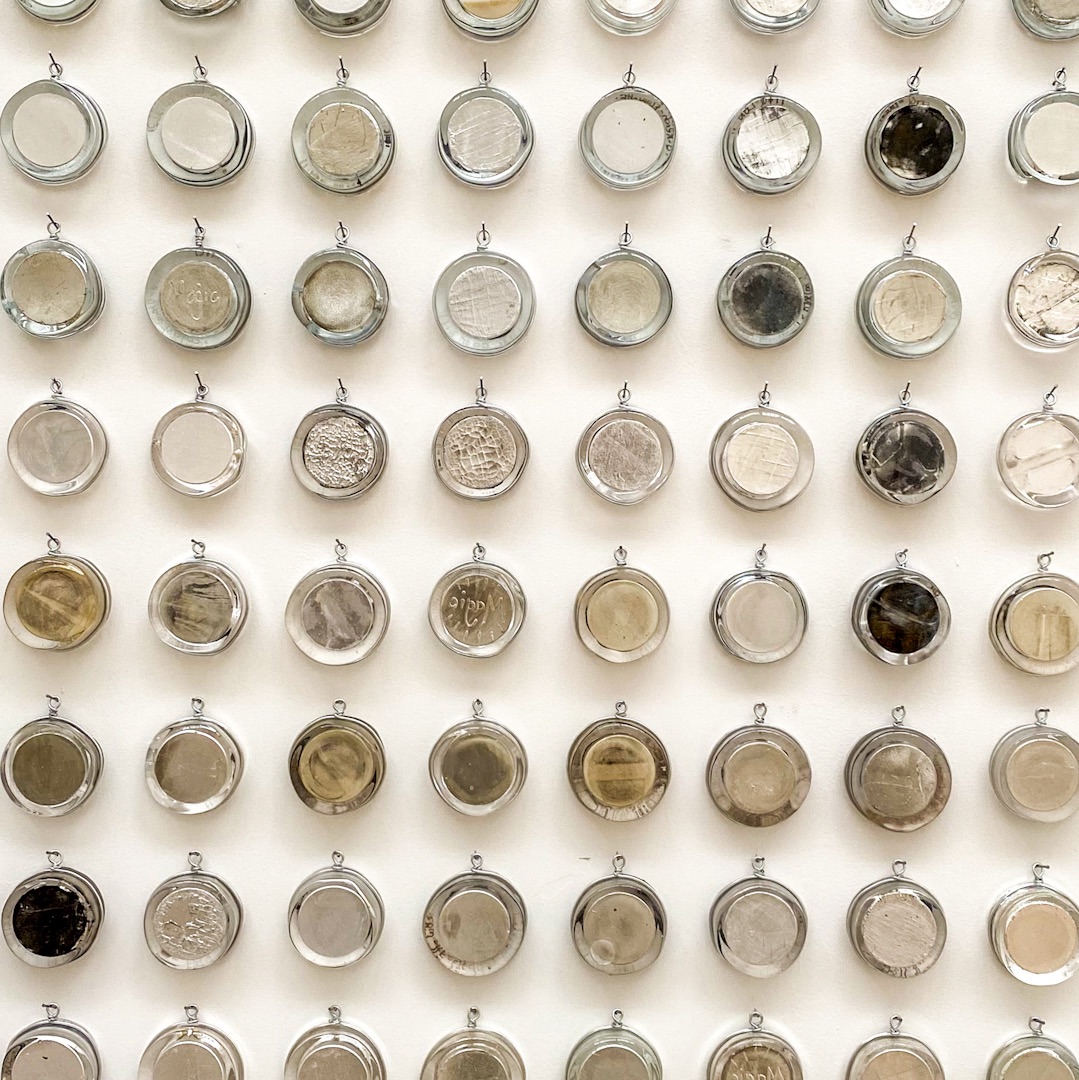
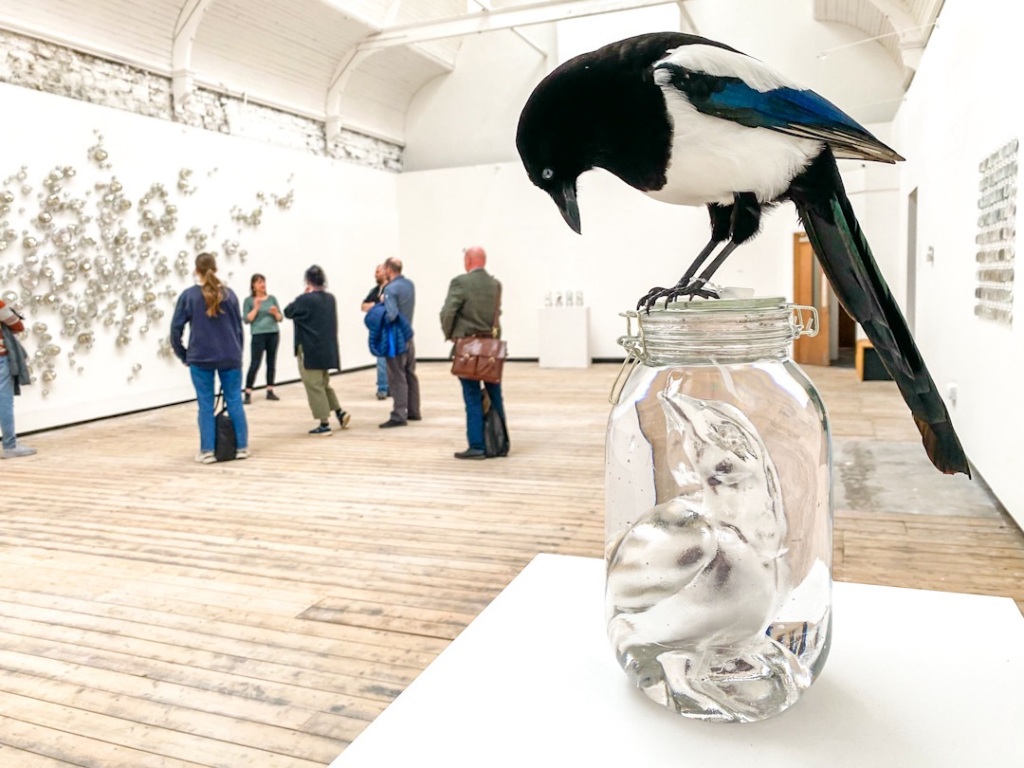
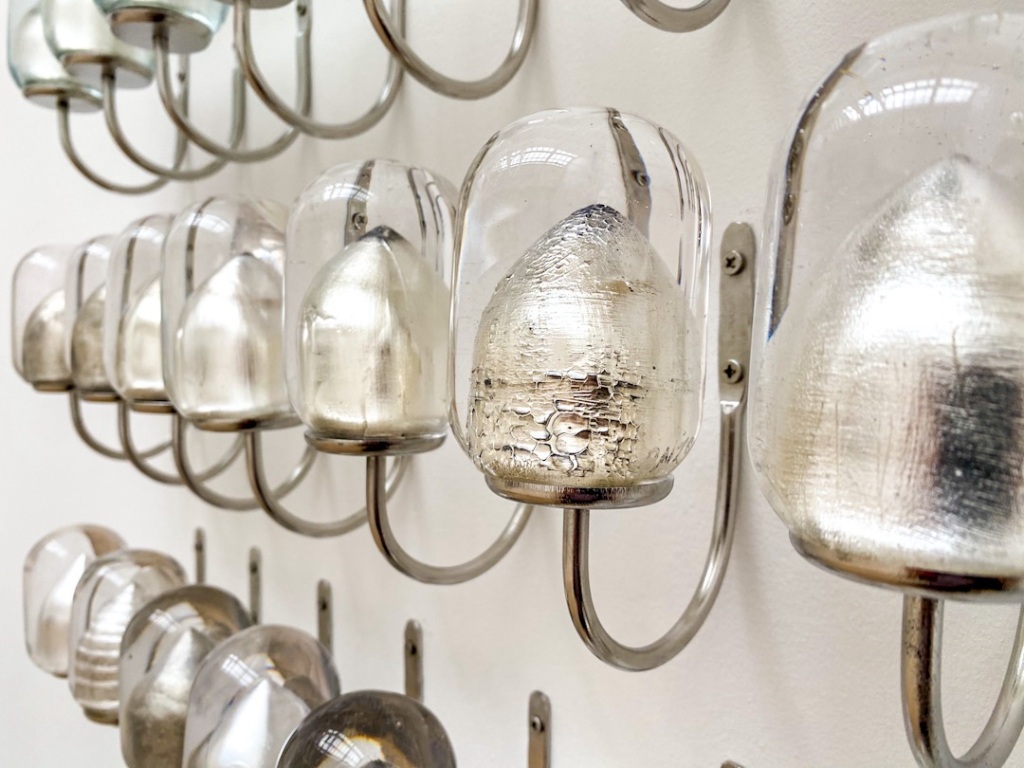
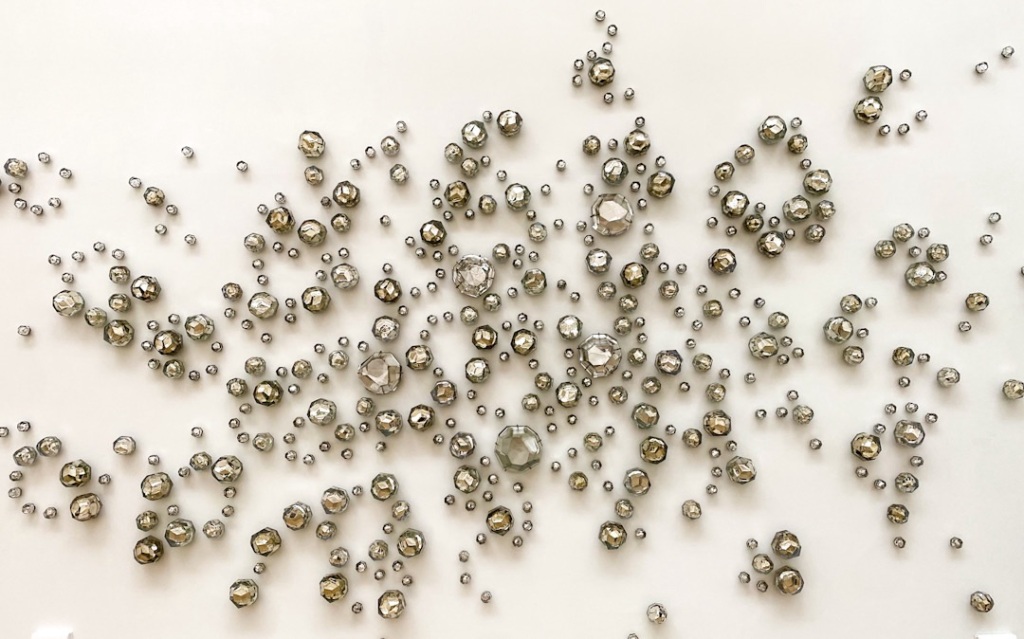
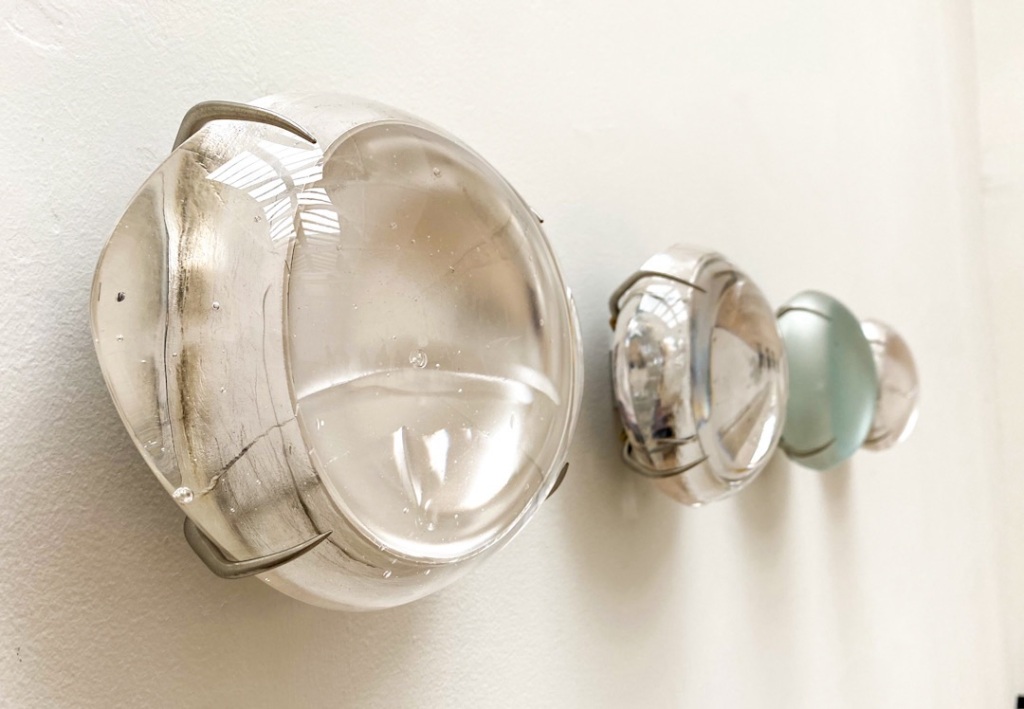
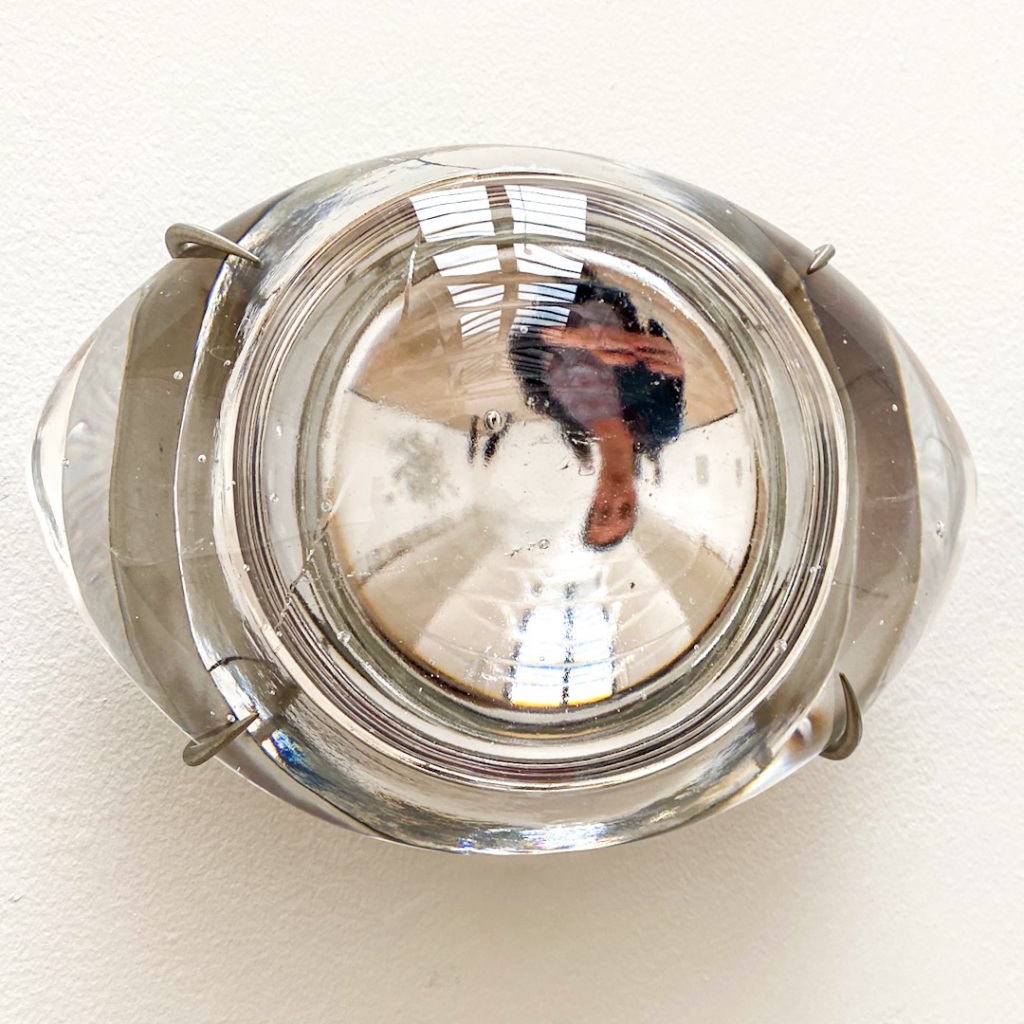
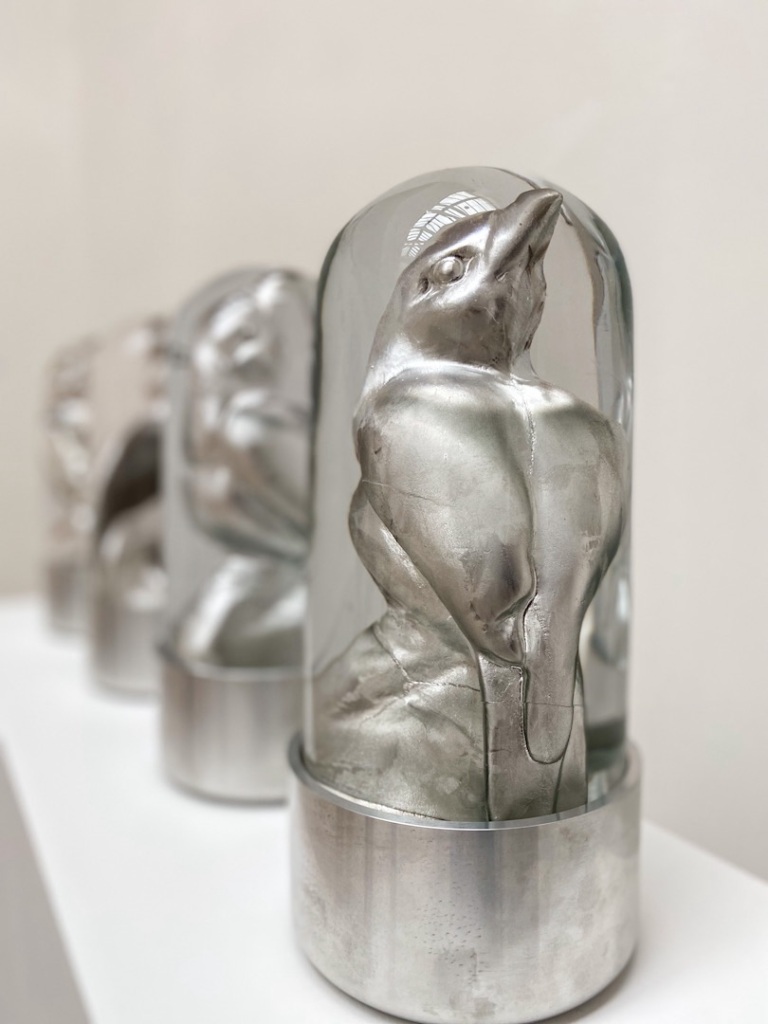
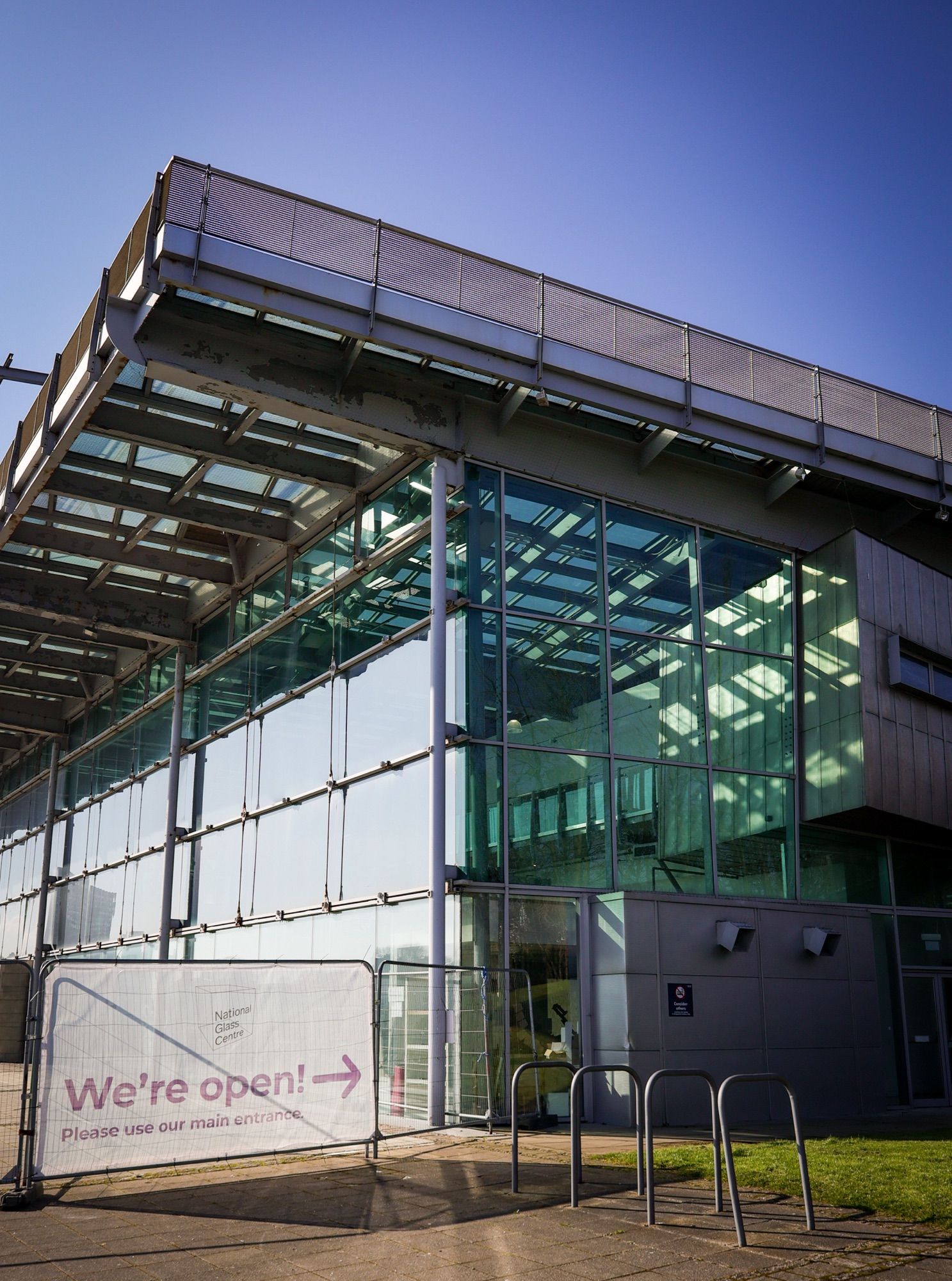
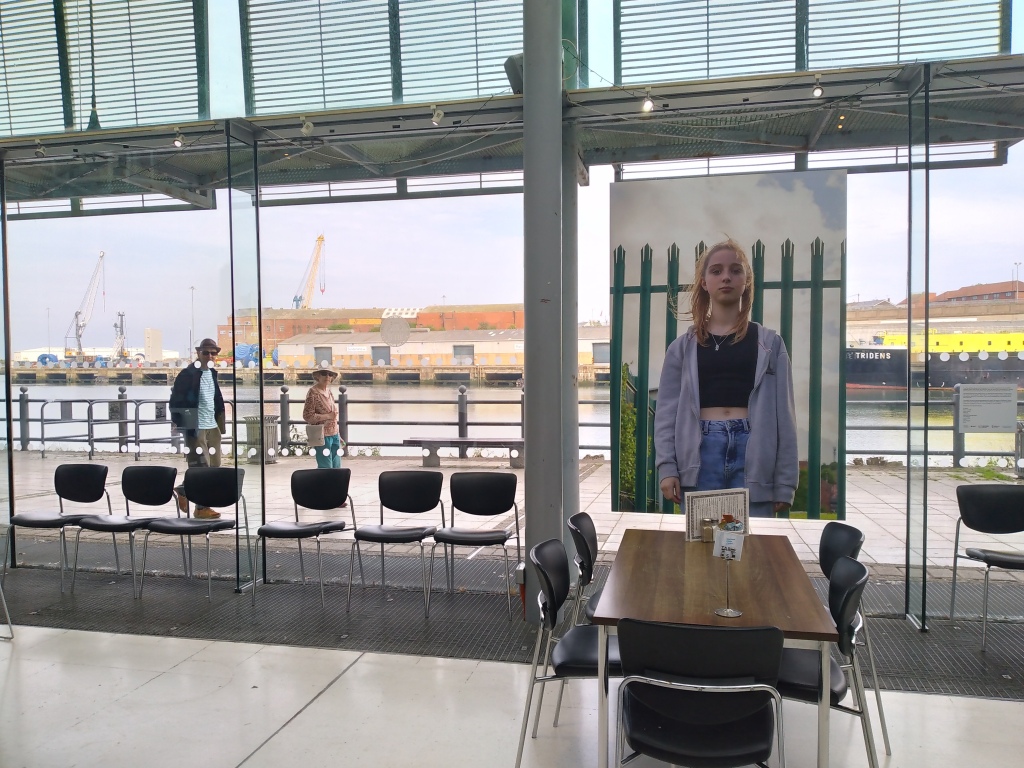
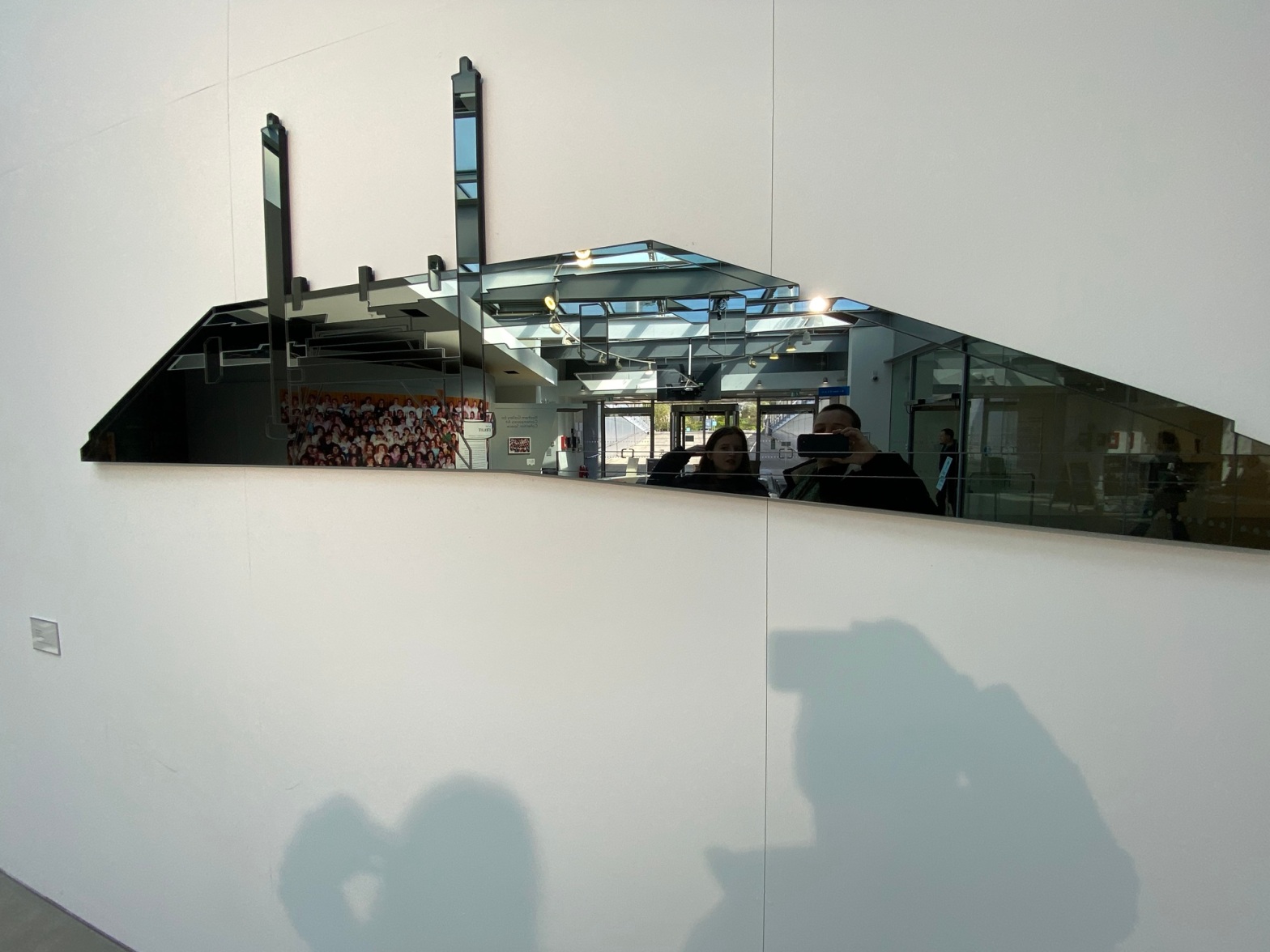
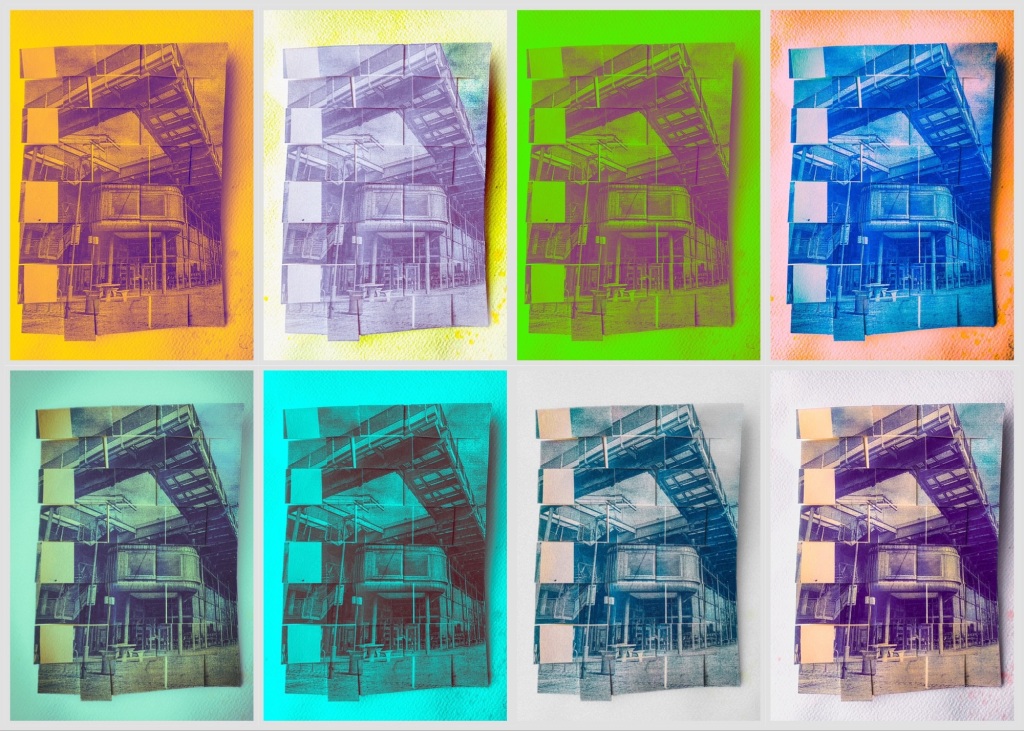
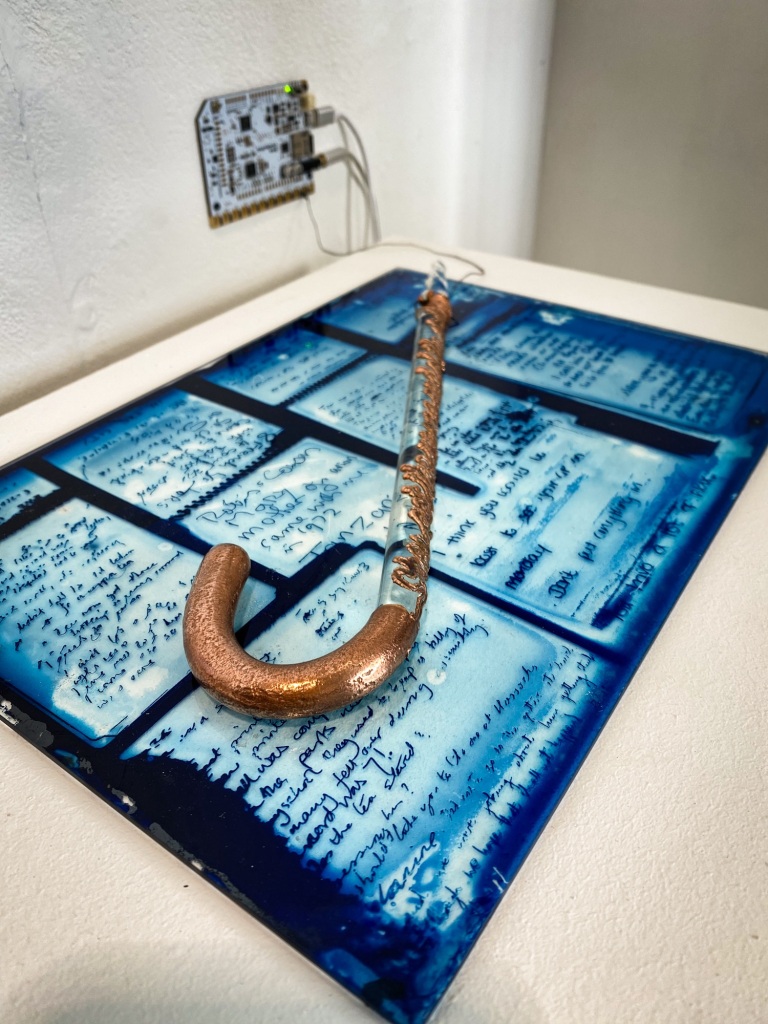
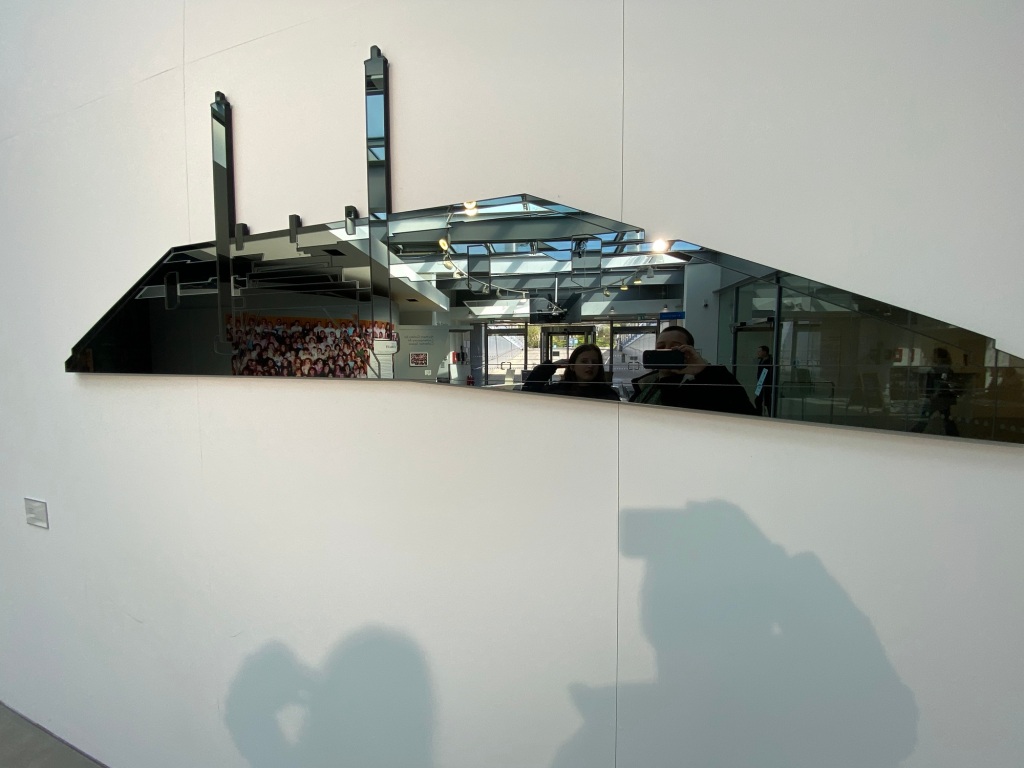
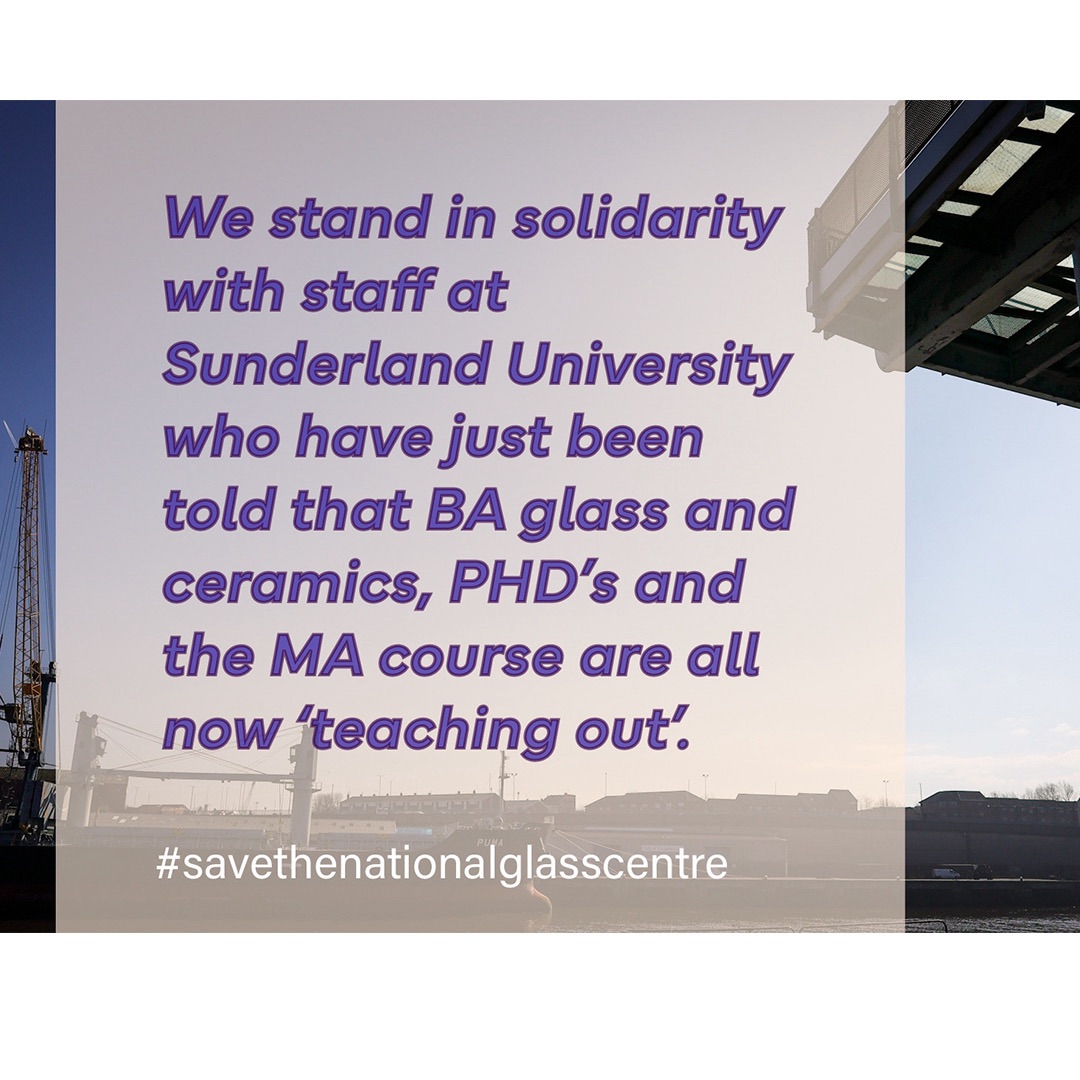

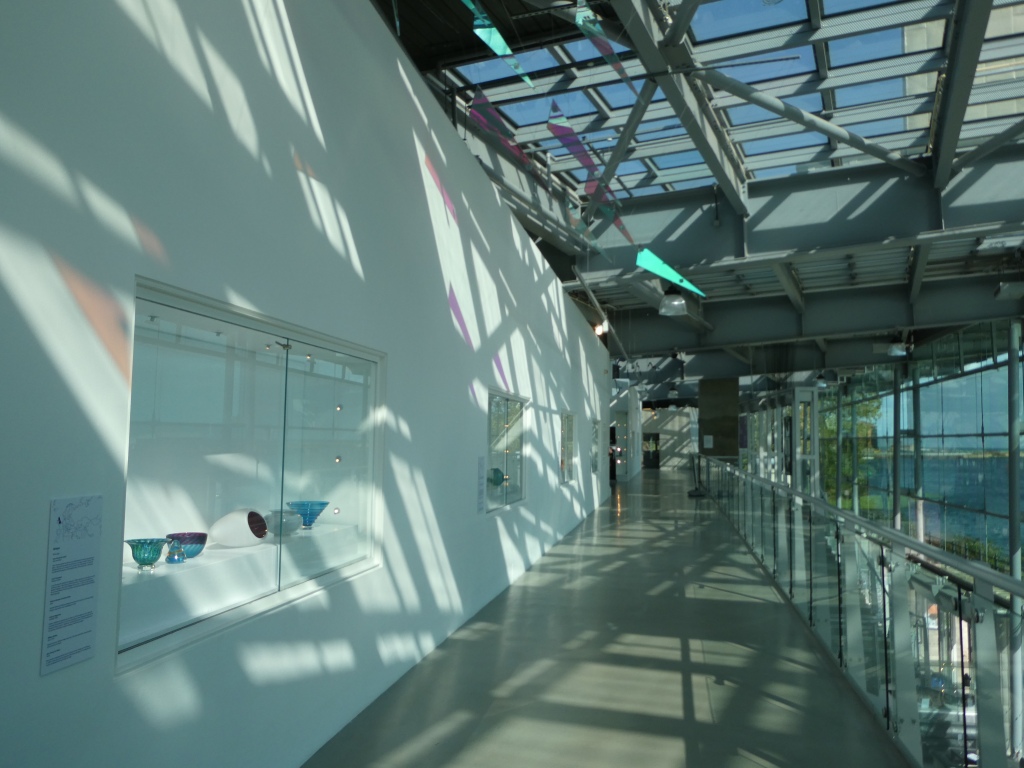

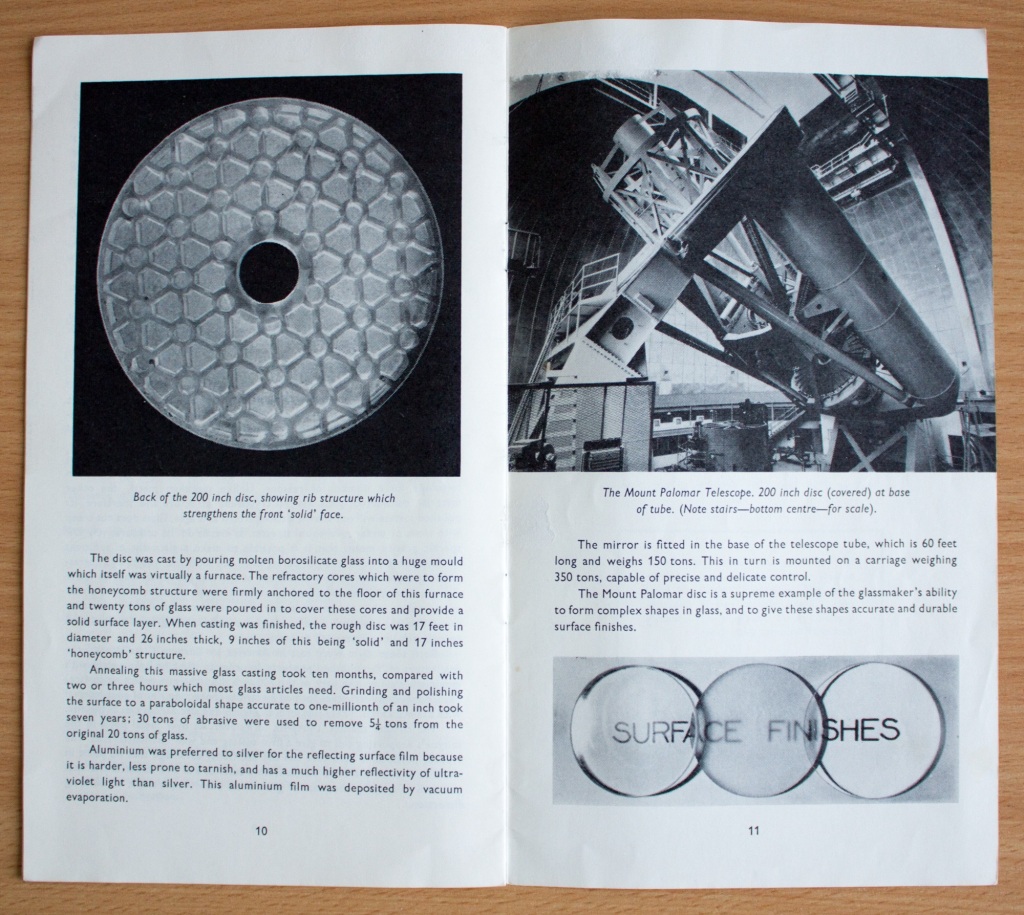



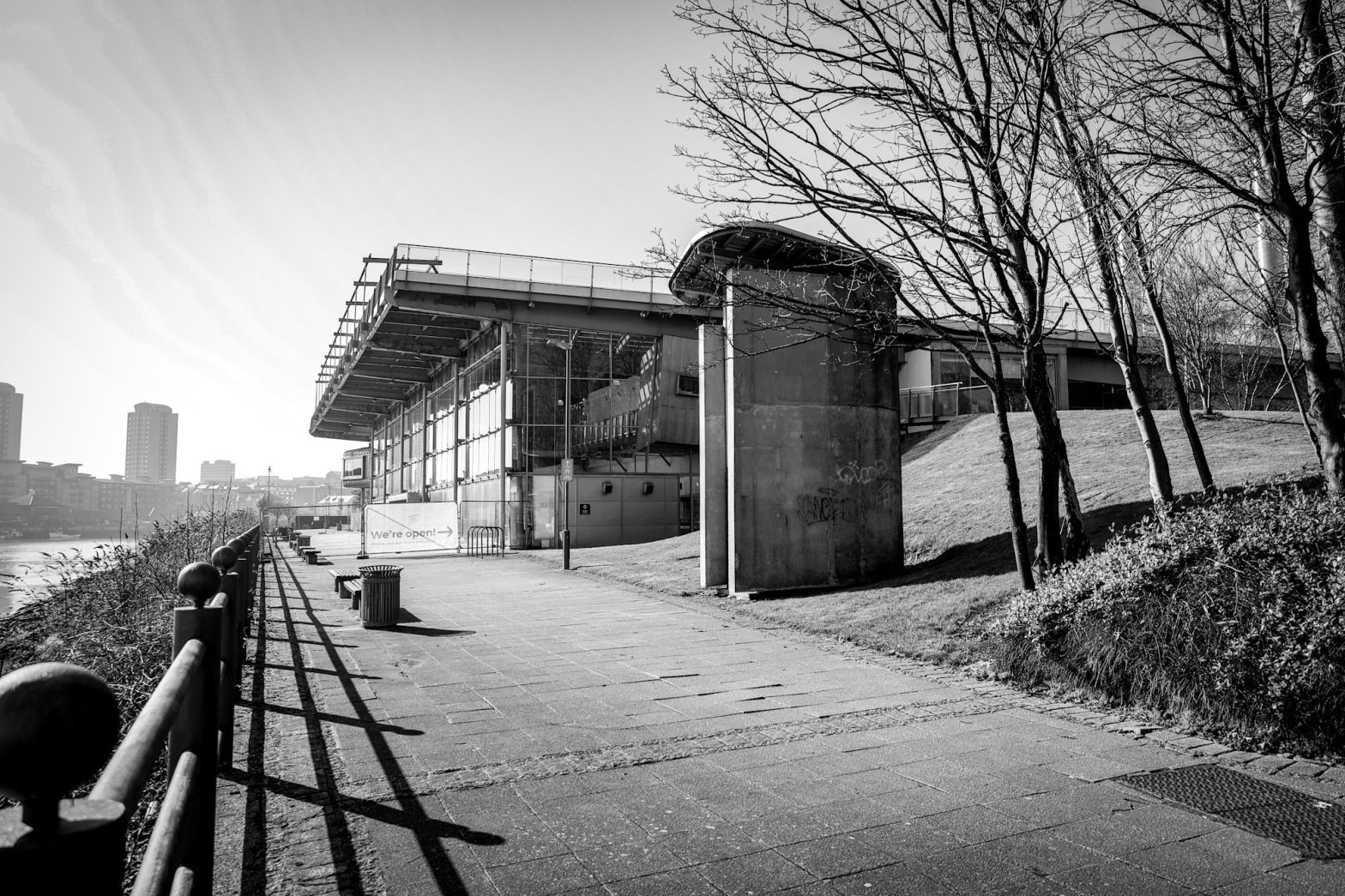

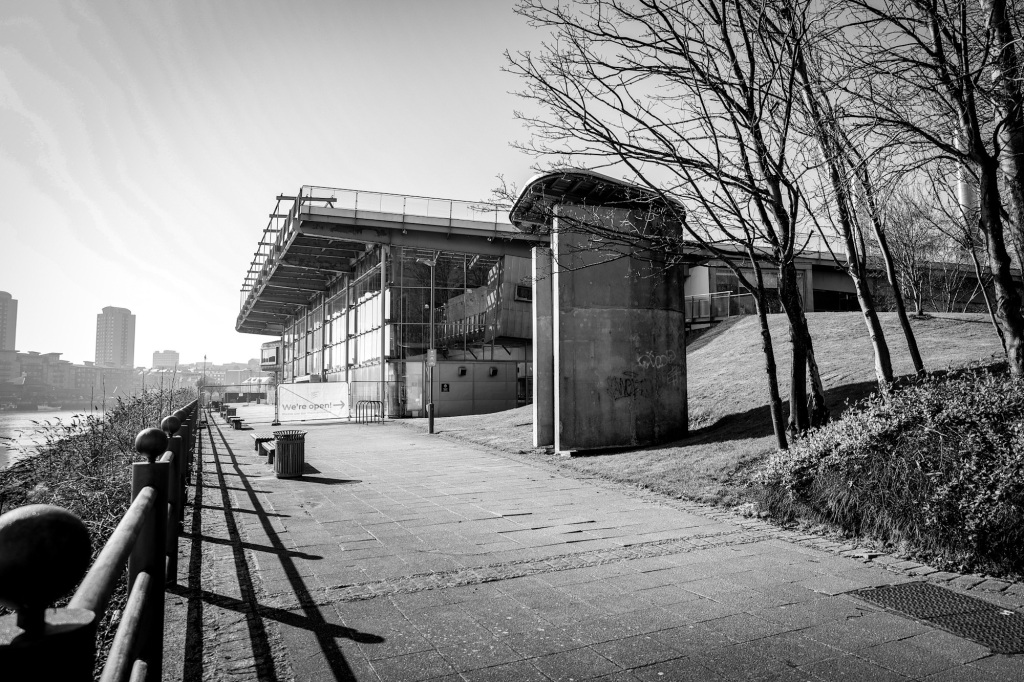
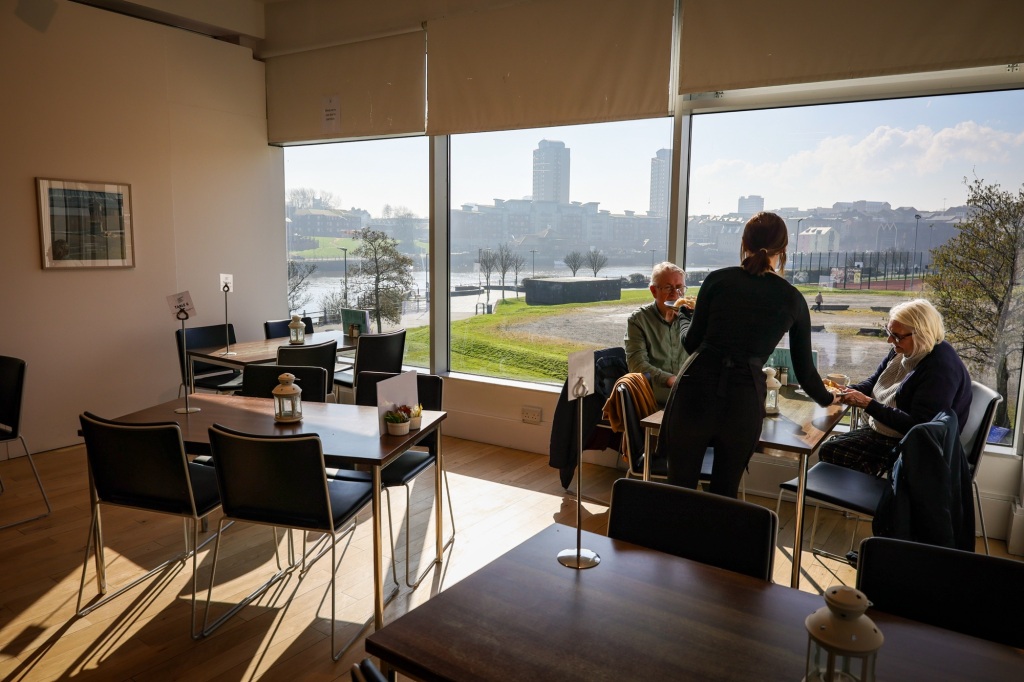
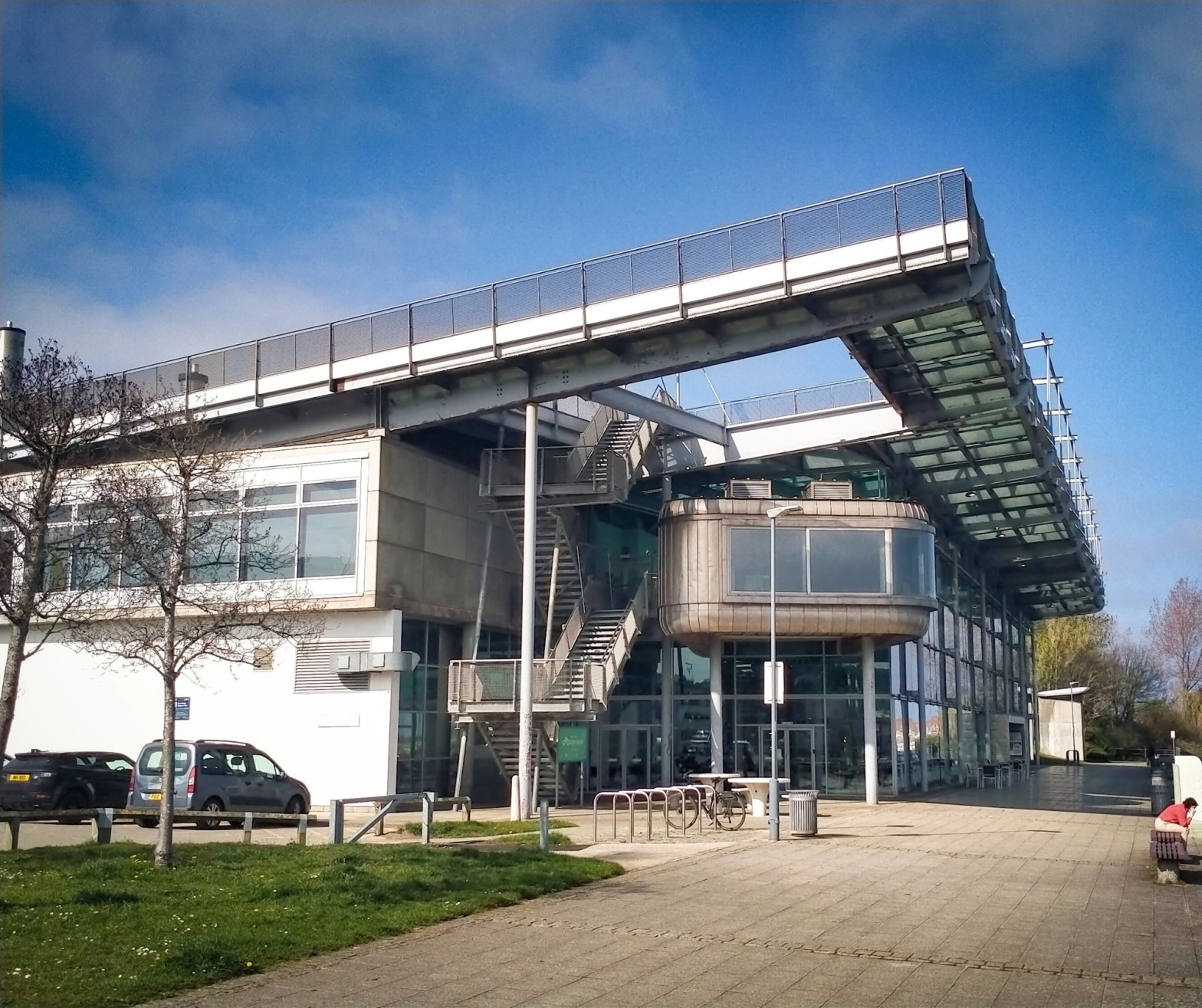
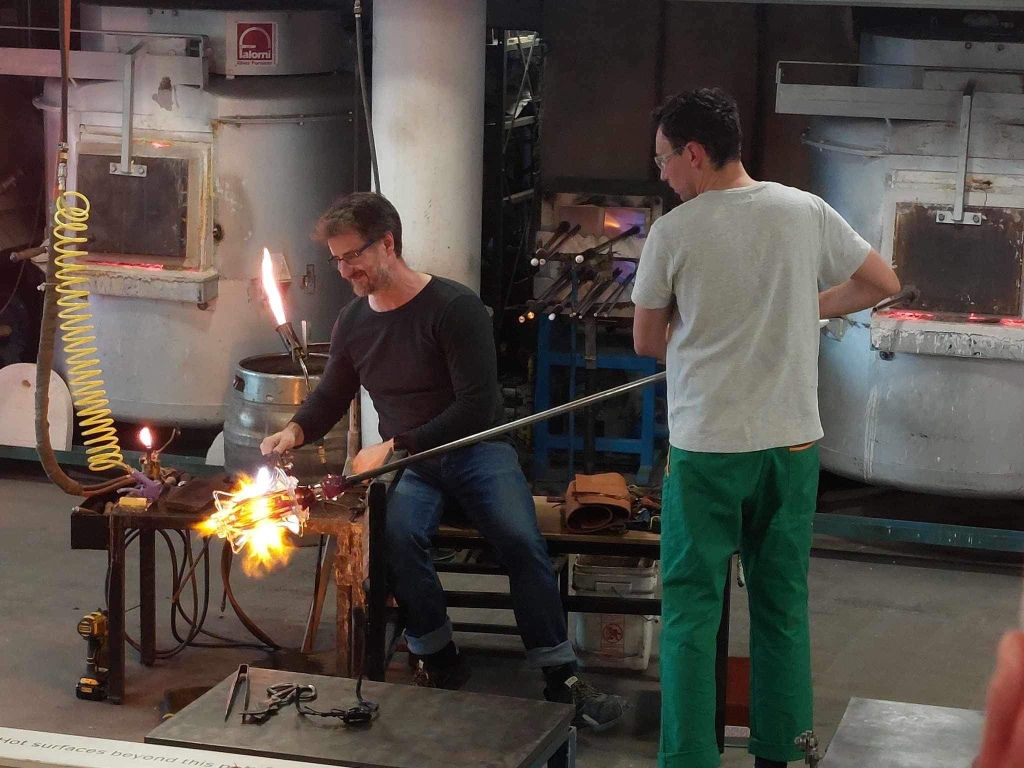
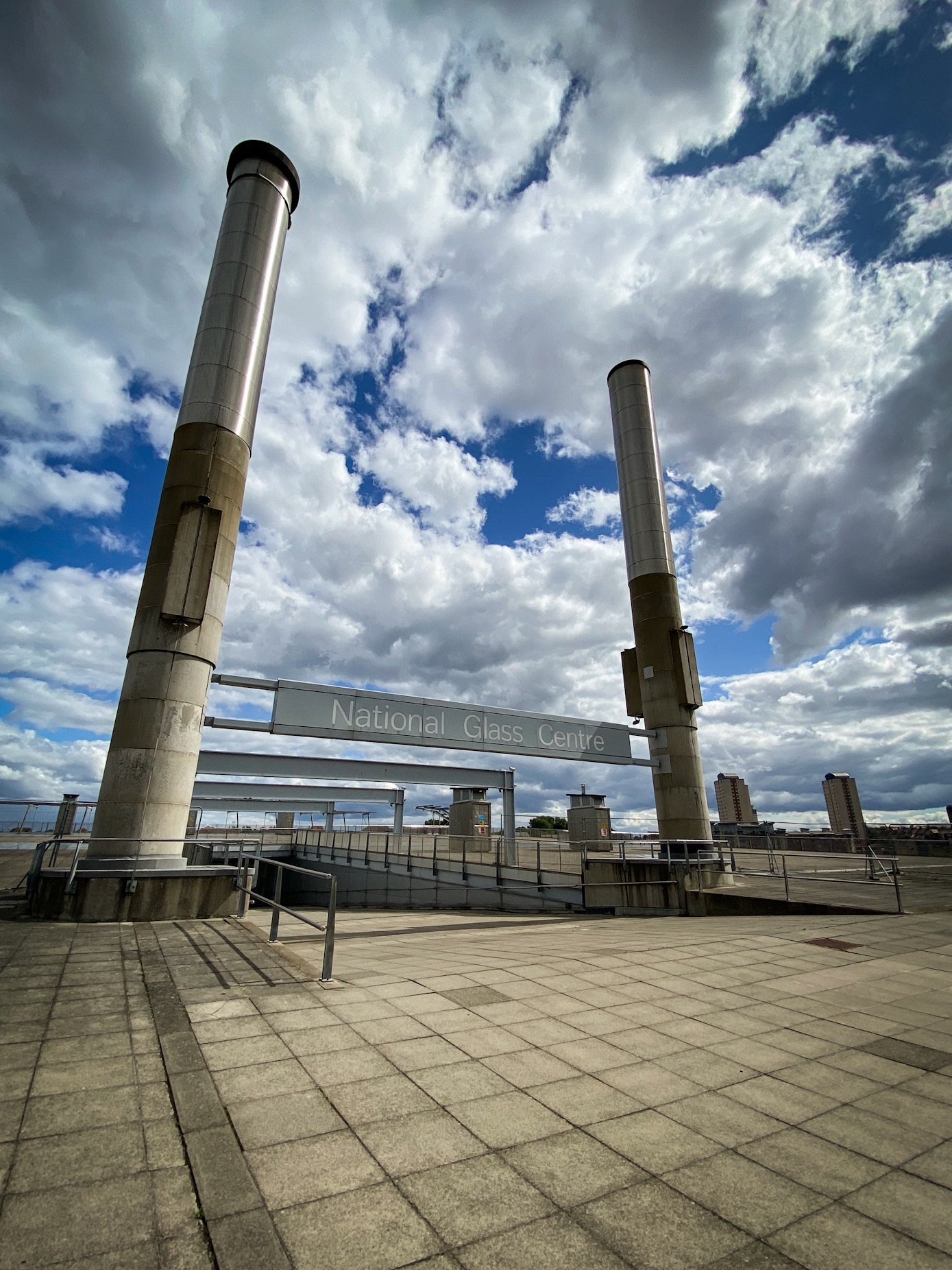

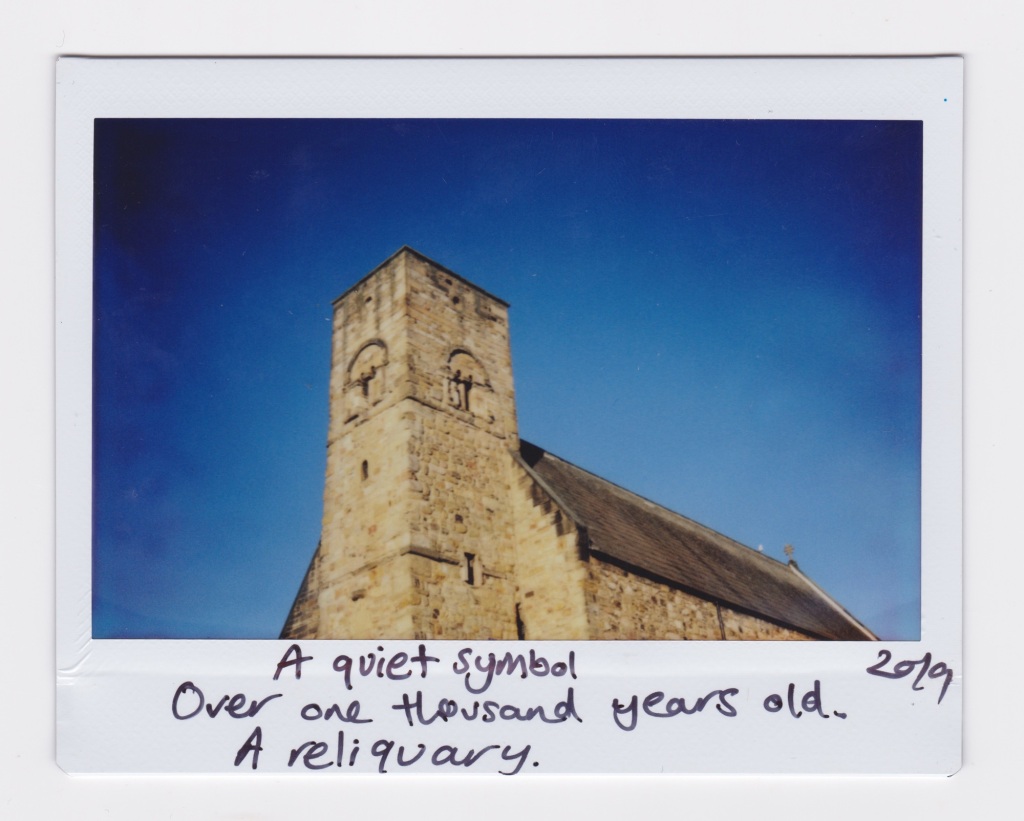
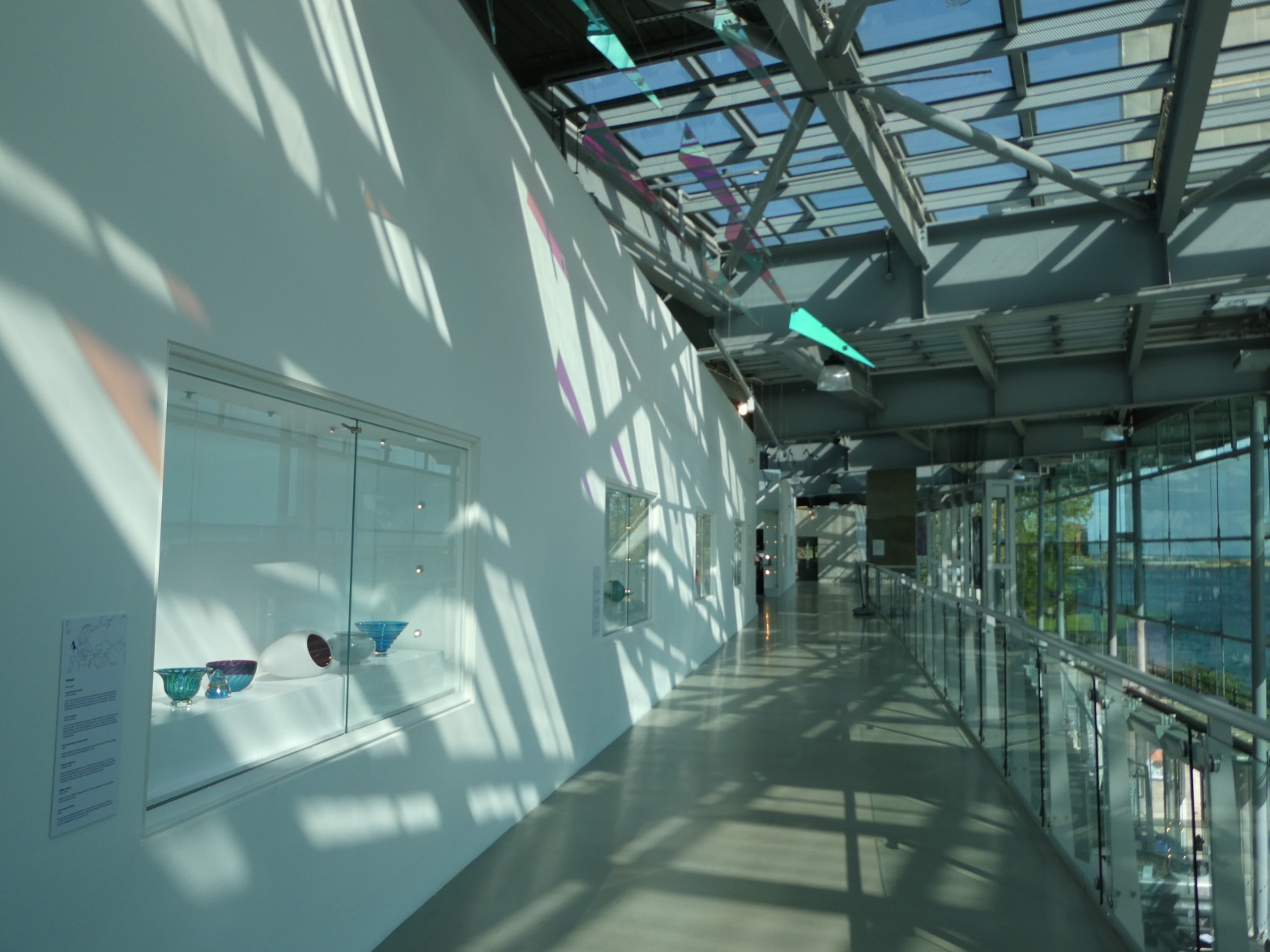
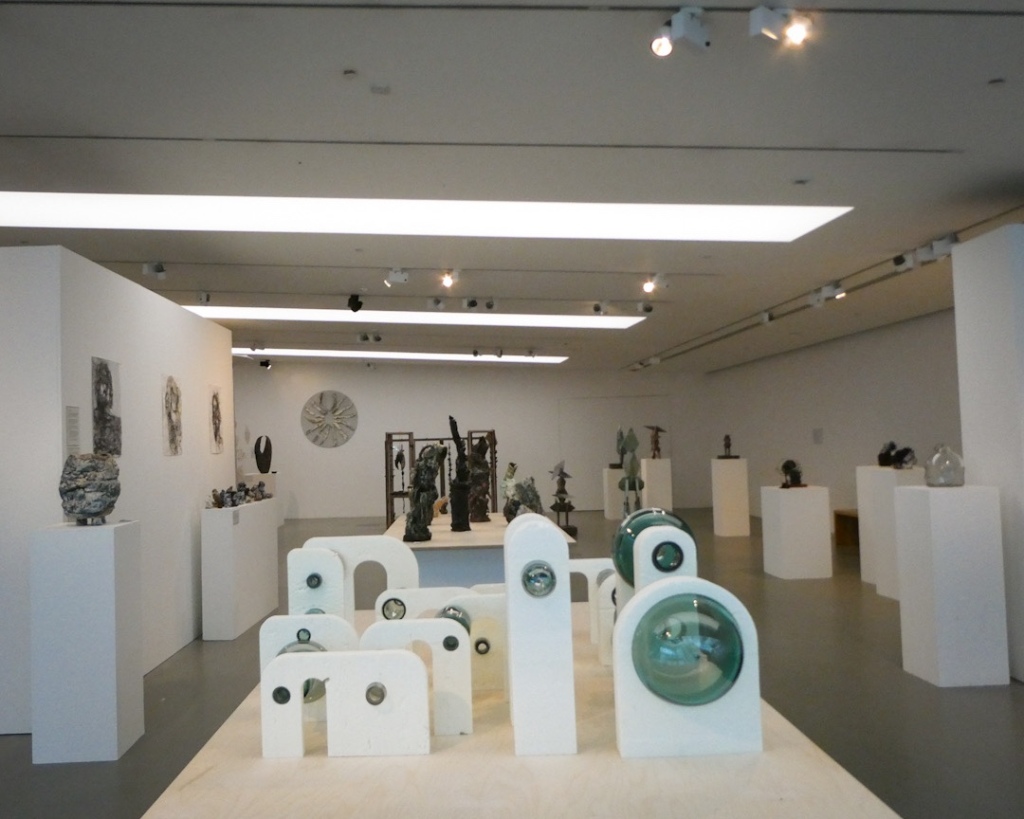
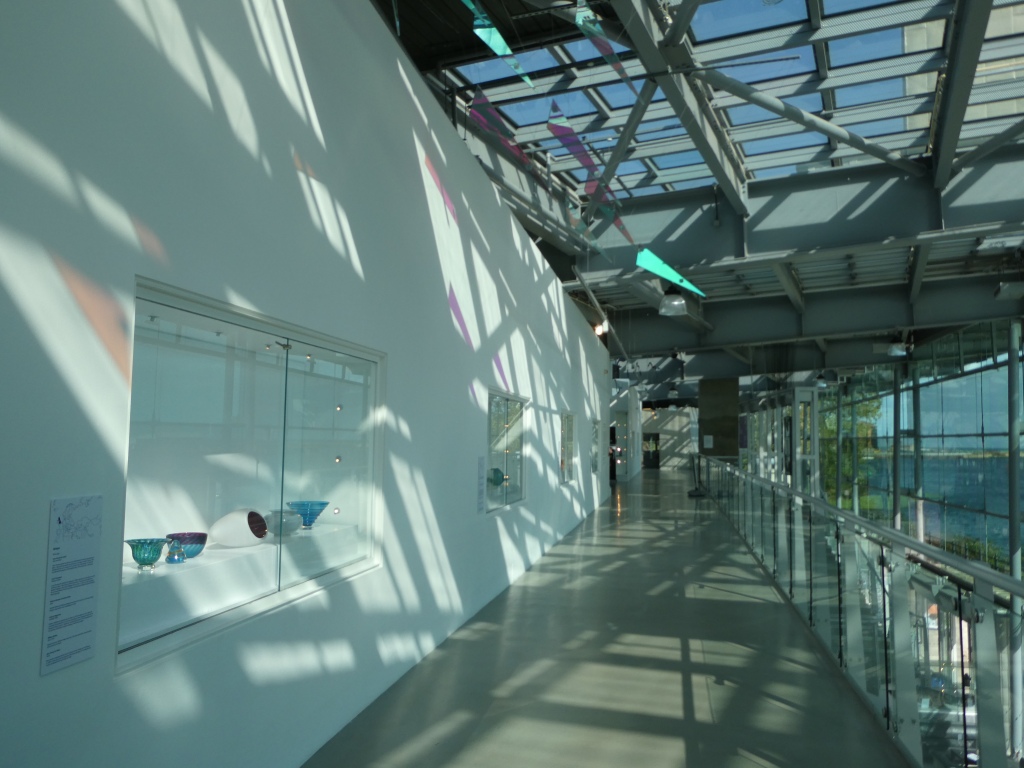
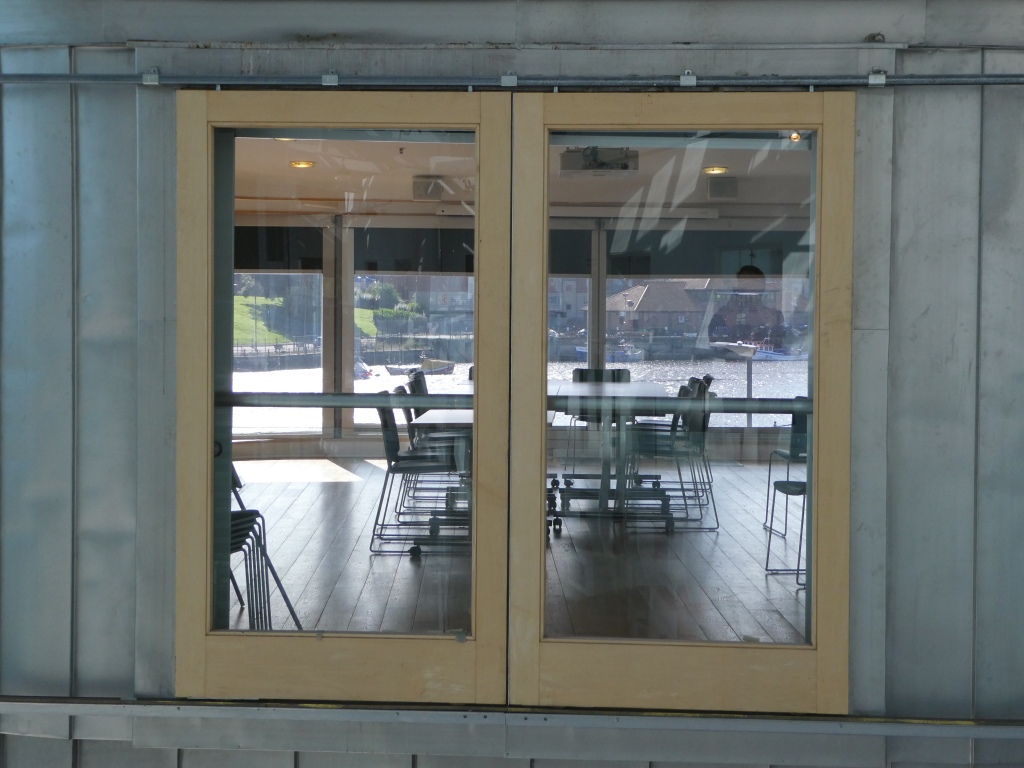
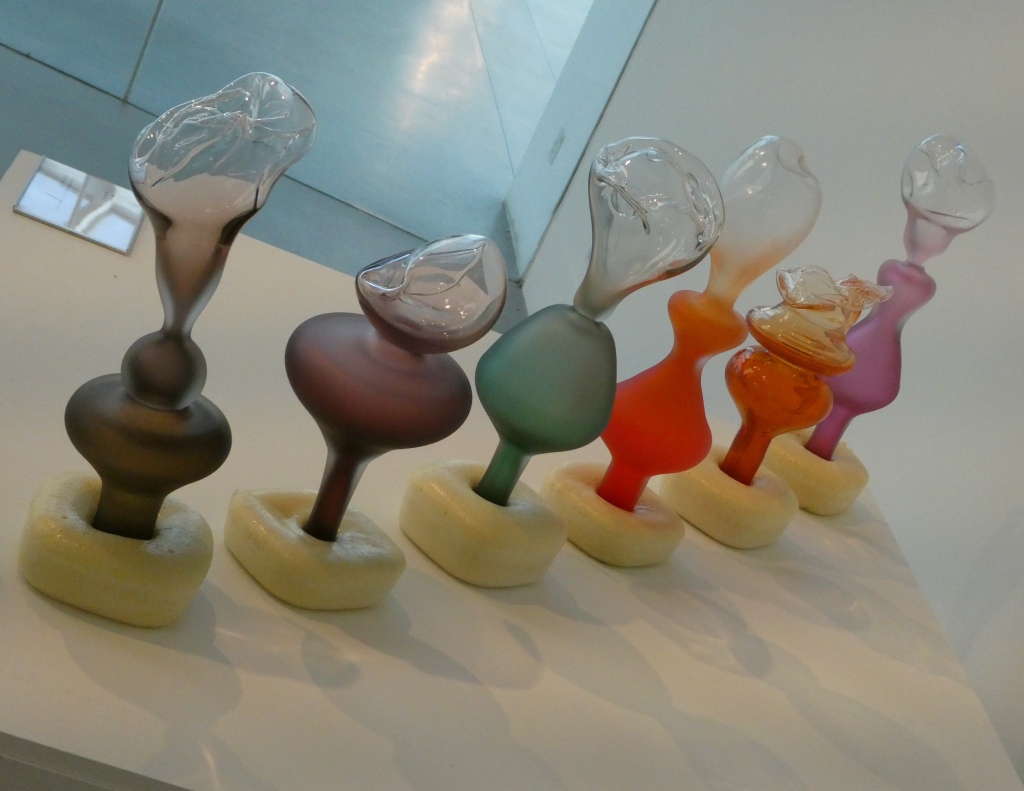

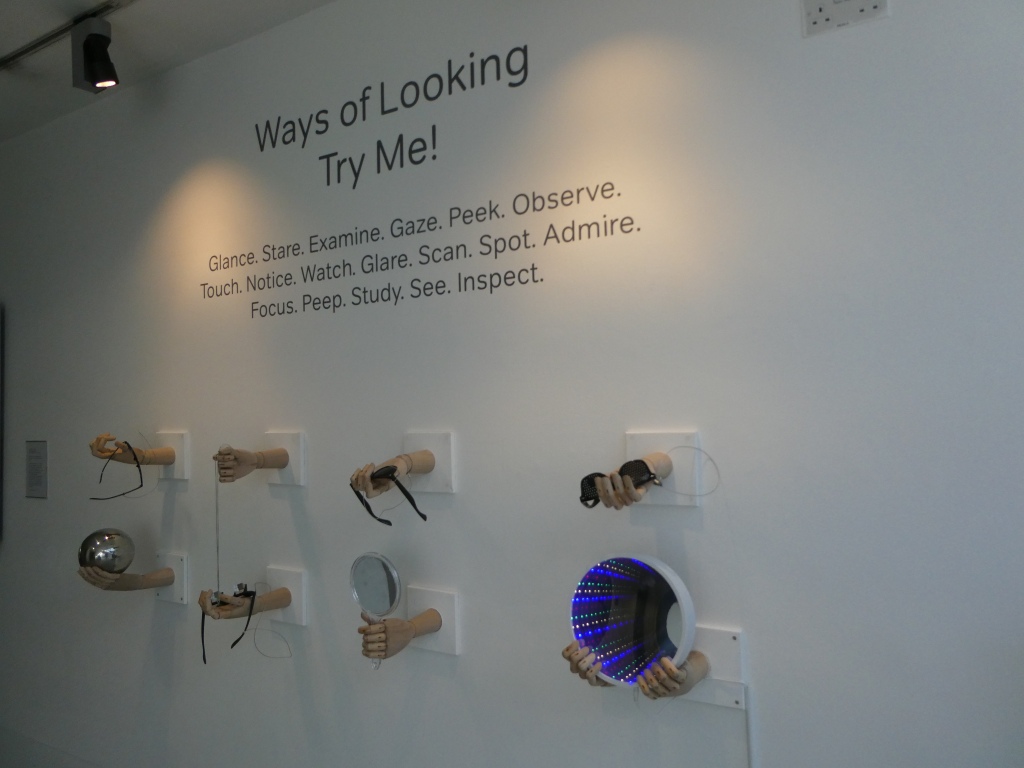
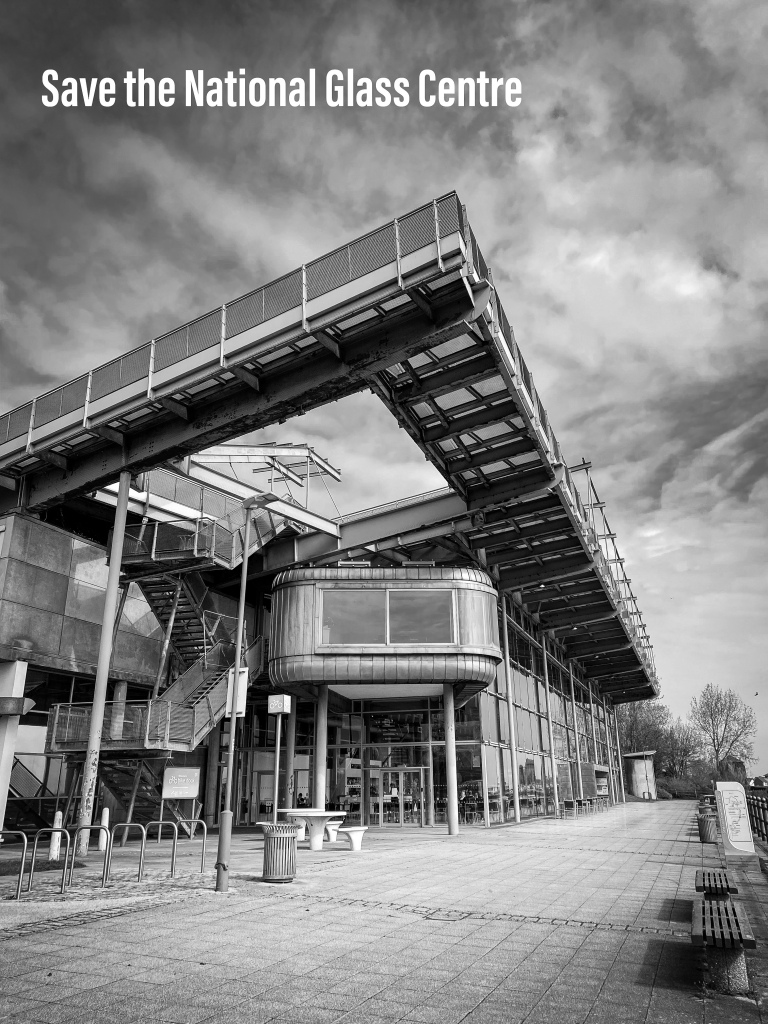



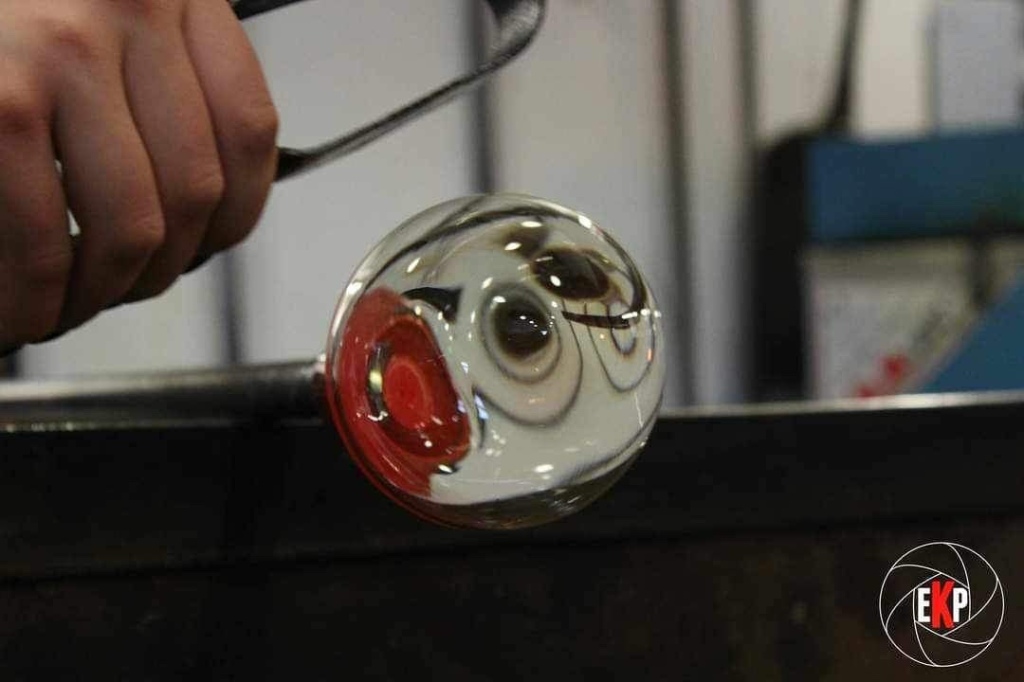
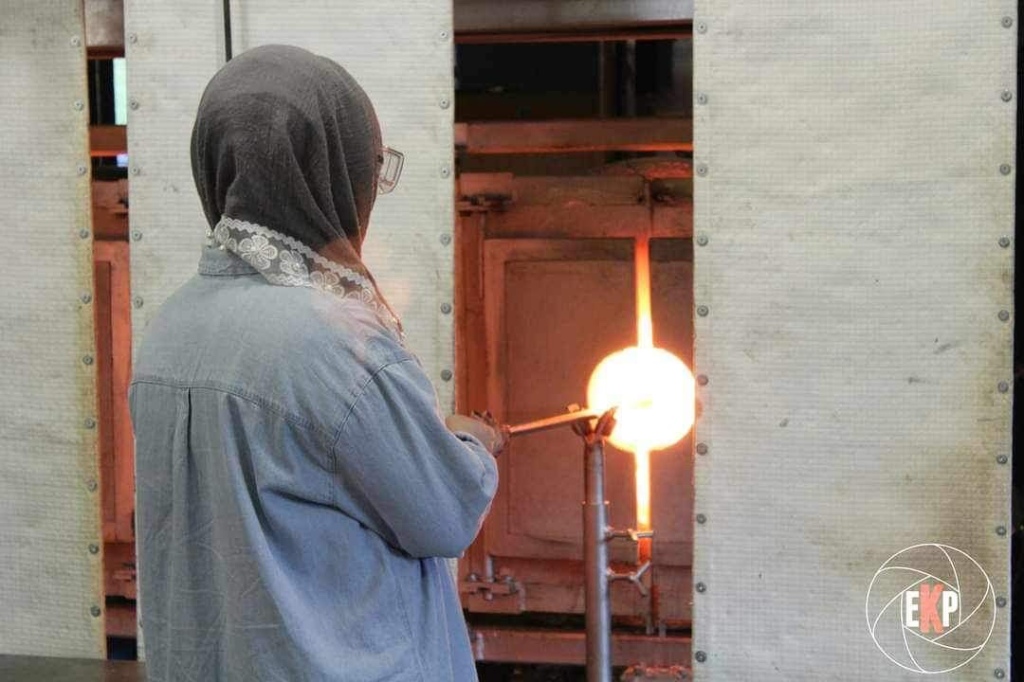
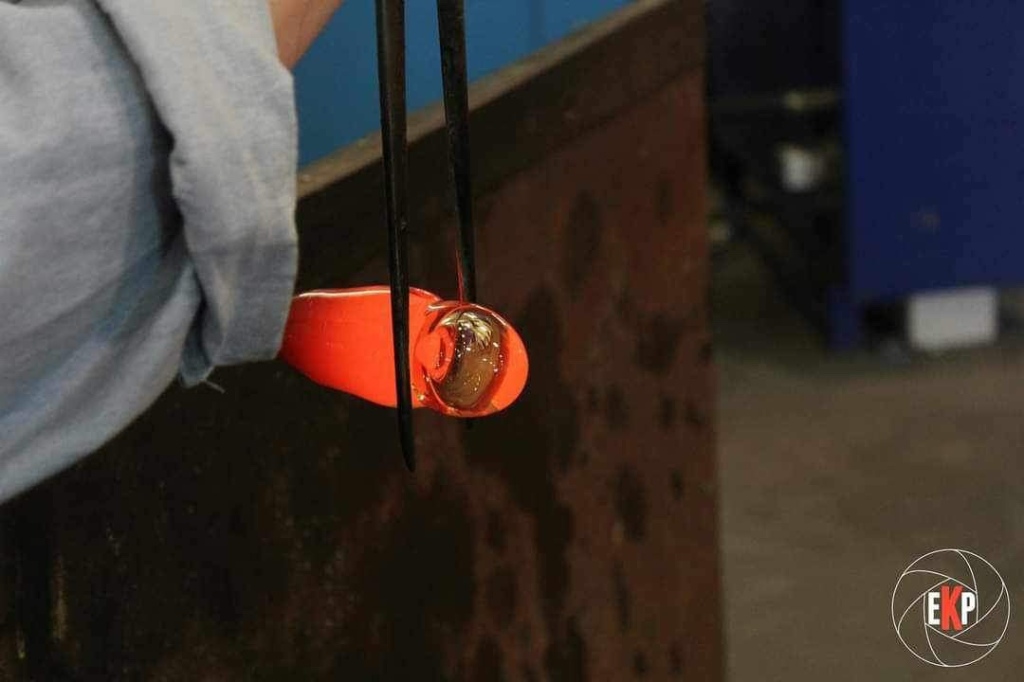
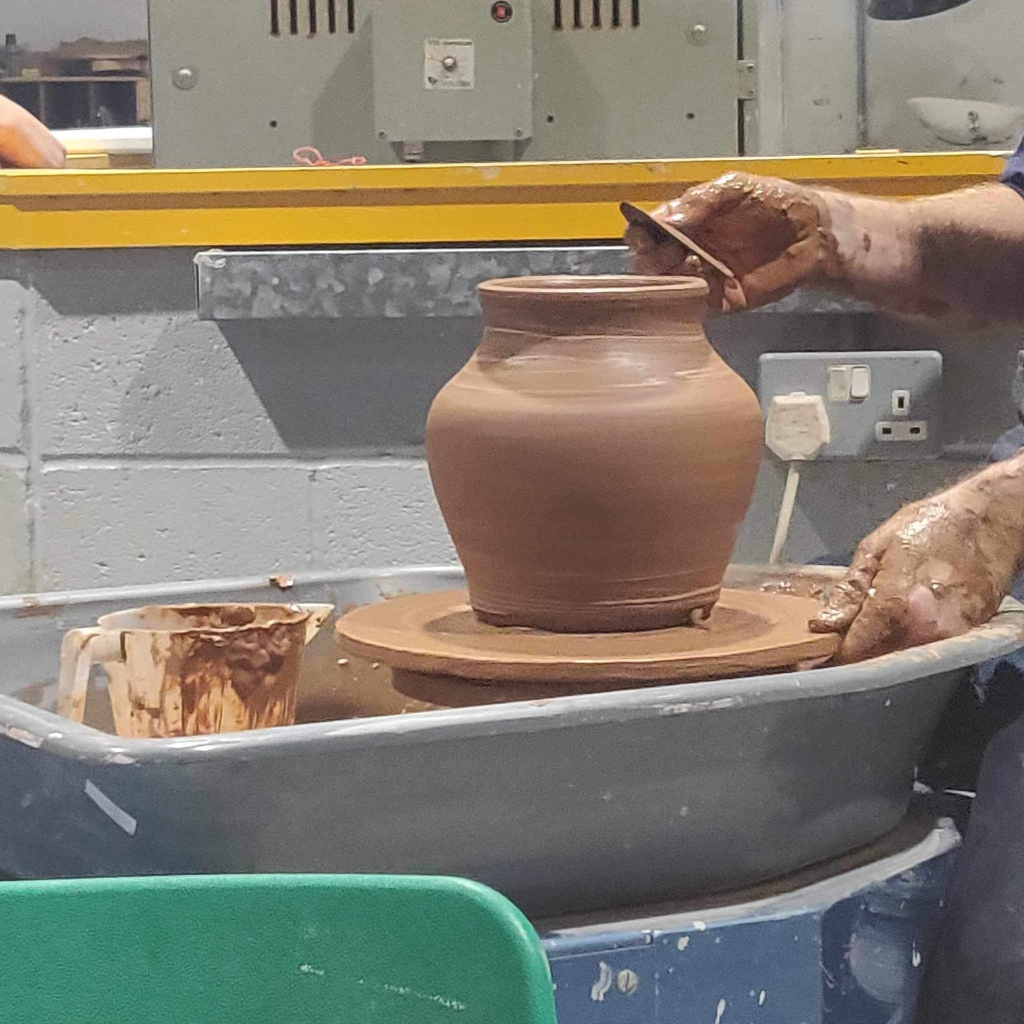
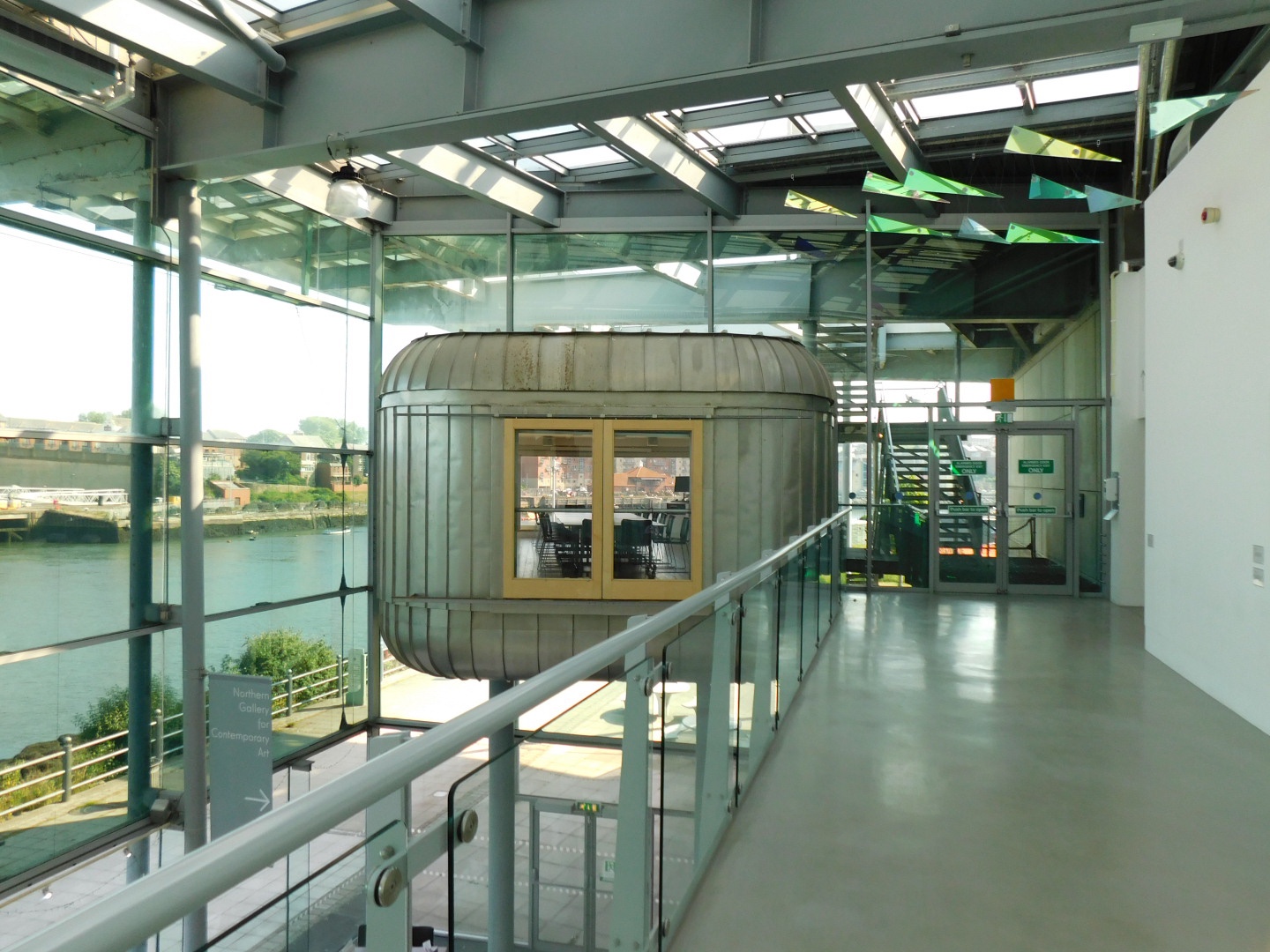
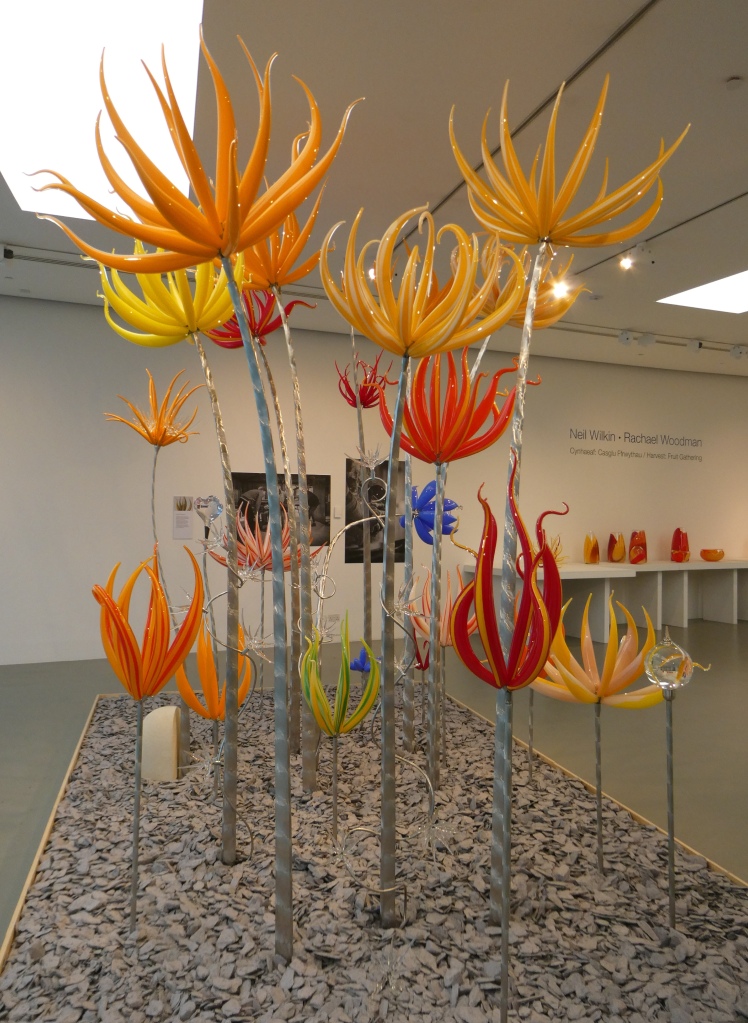
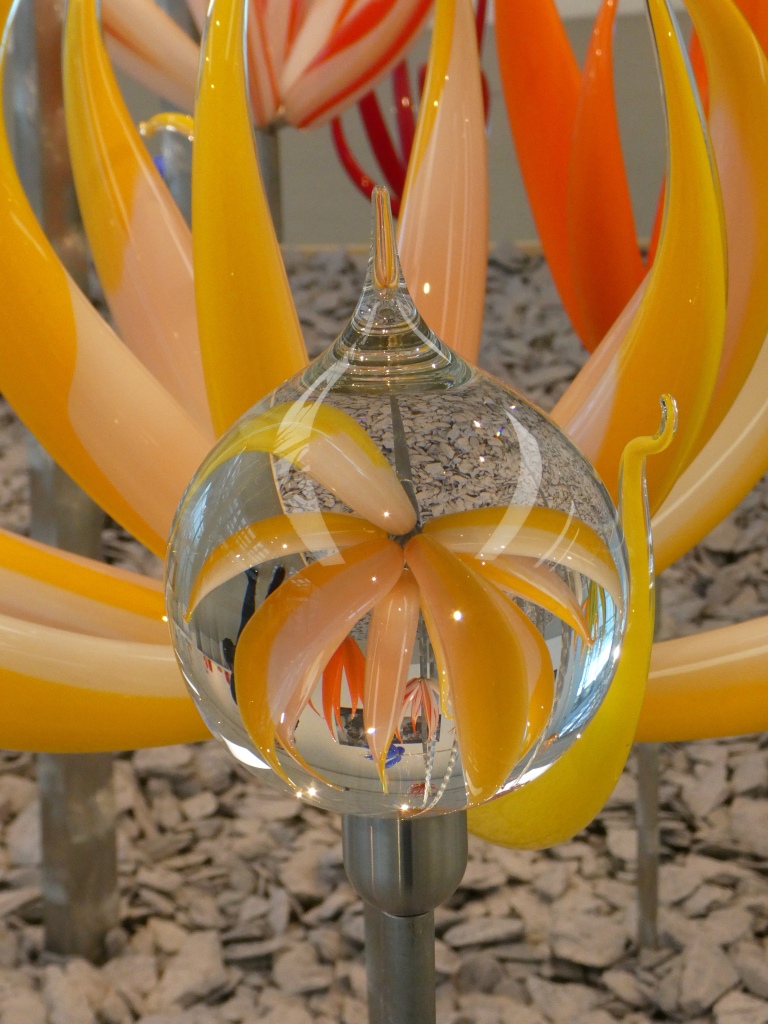
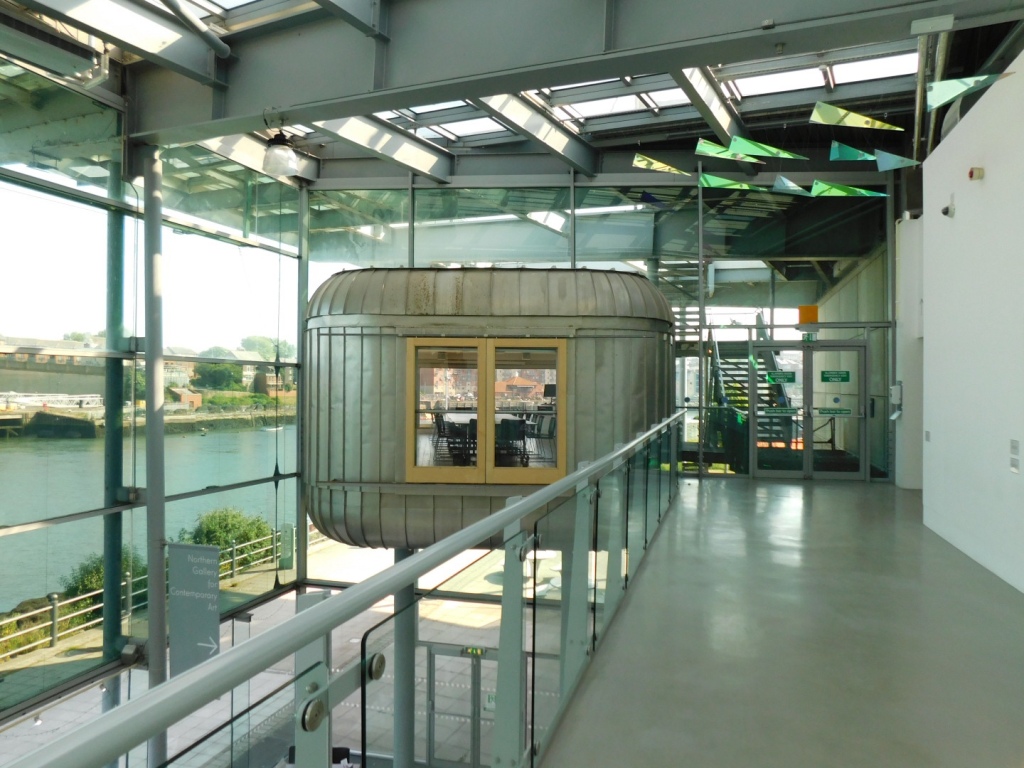
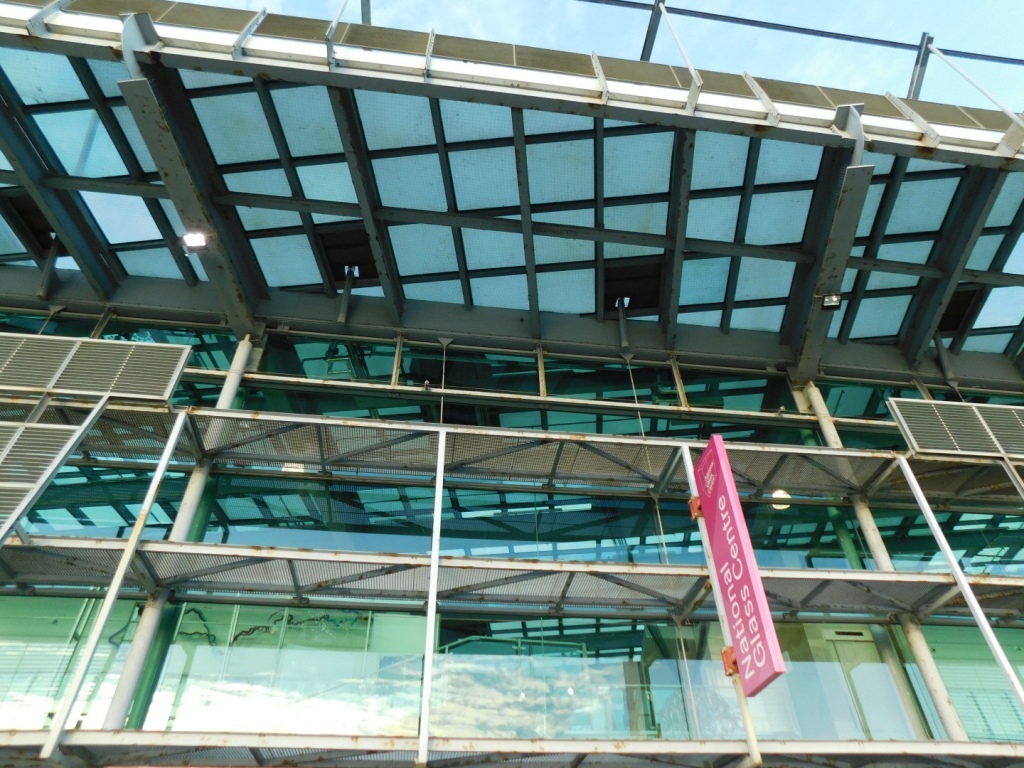
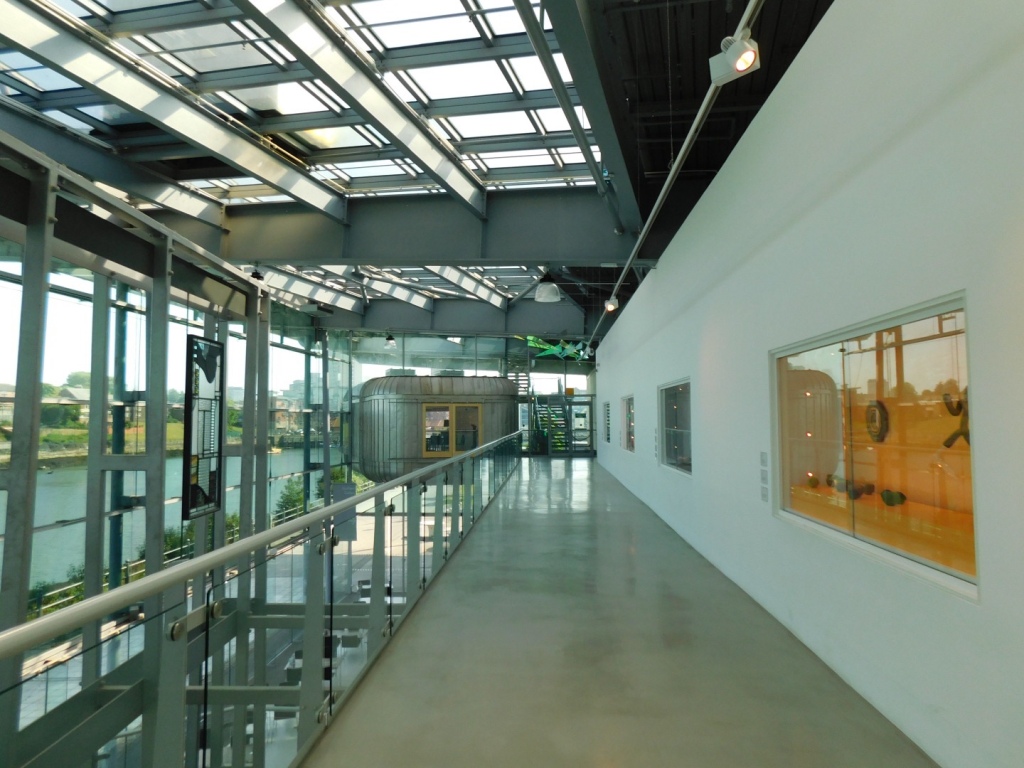
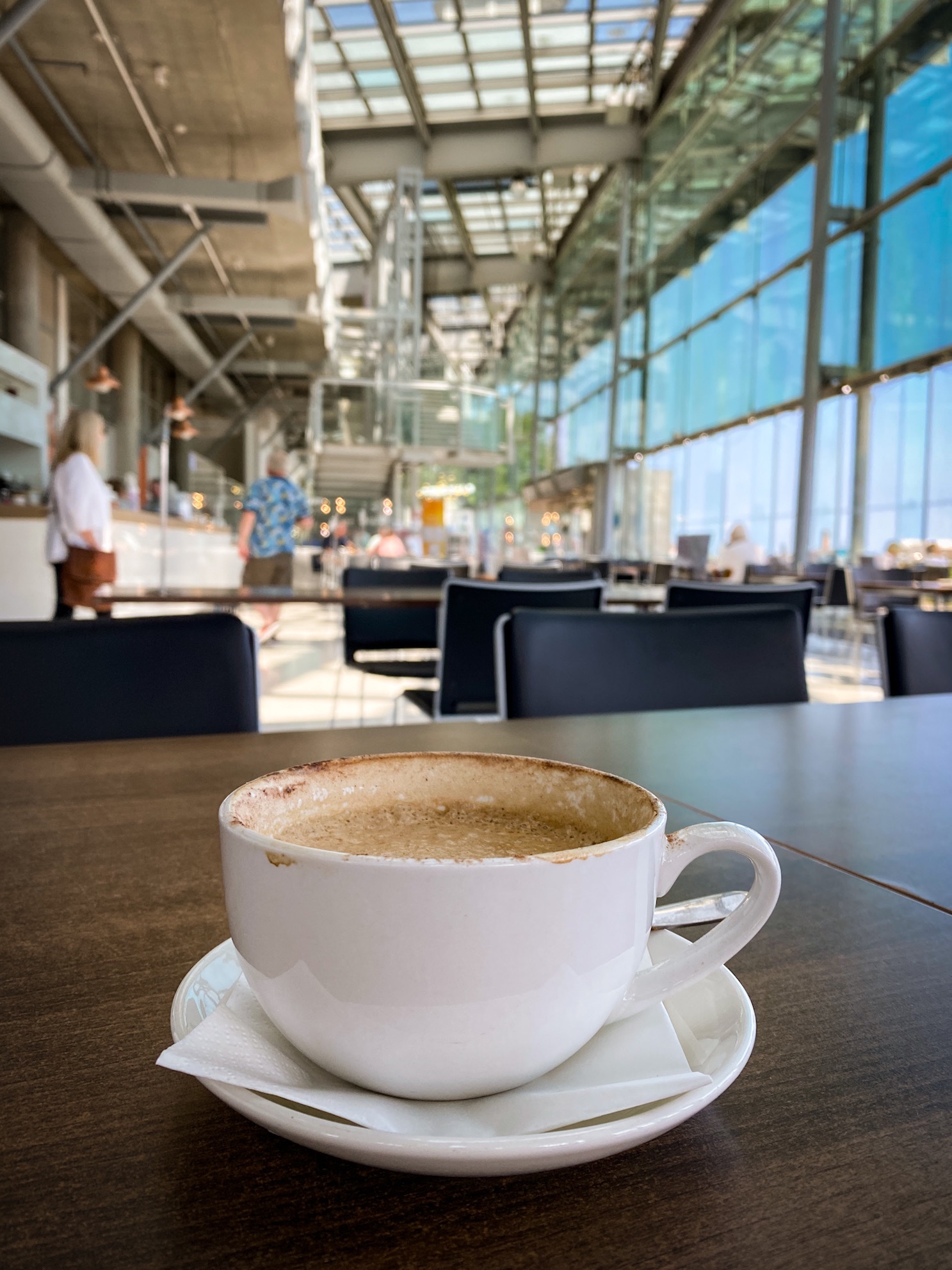
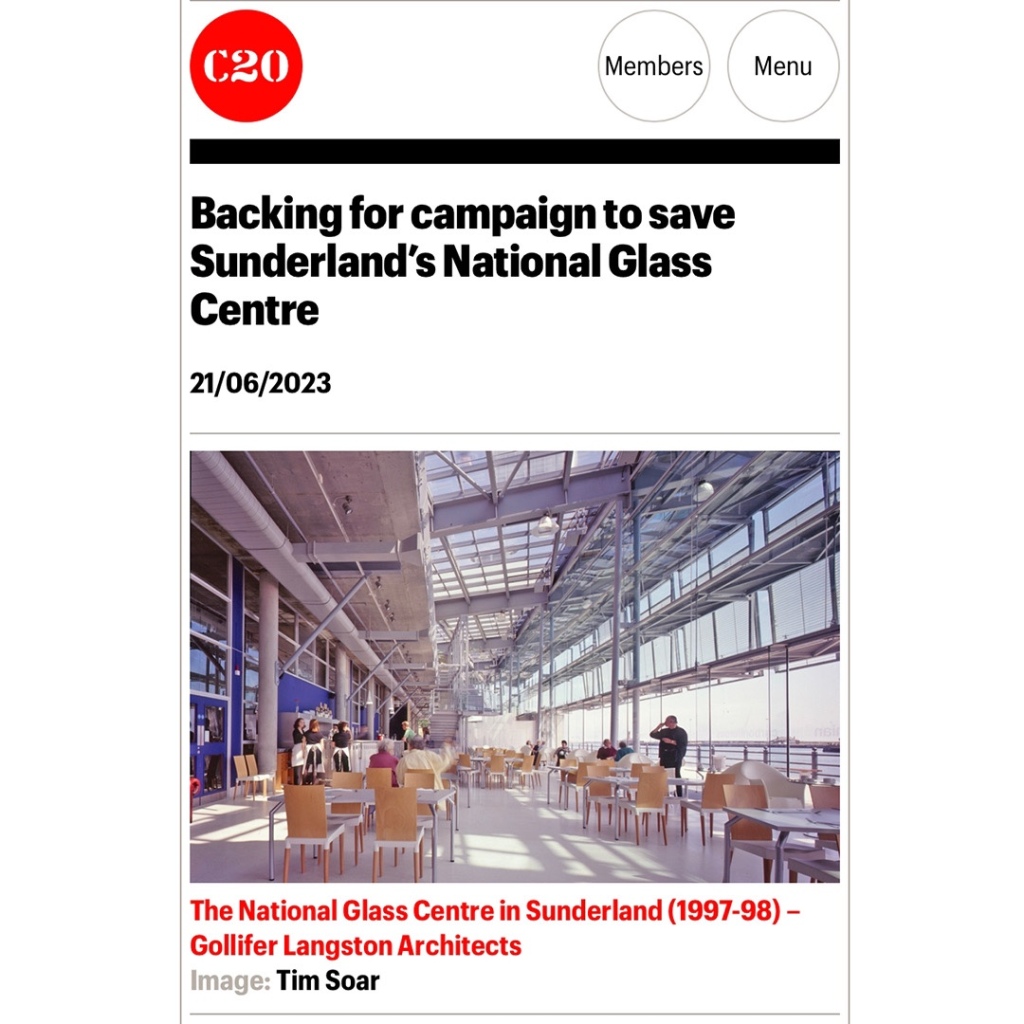
 Save the National Glass Centre